
When you take more than one medication, your body doesn’t just treat them separately—it tries to process them all at once, and that’s where medication interactions, when two or more drugs affect each other’s action in your body. Also known as drug interactions, it can make a drug stronger, weaker, or even cause side effects you didn’t expect. This isn’t rare. It happens every day, often without anyone noticing until something goes wrong.
These interactions happen because of how your liver and gut work. One drug might slow down or speed up how another is broken down—especially if it affects the CYP3A4, a key liver enzyme that processes over half of all prescription drugs. Take a common statin like simvastatin with grapefruit juice or certain antibiotics, and your body can’t clear it fast enough. That’s when muscle pain, liver damage, or worse can show up. Or take a benzodiazepine like Xanax with alcohol or opioids, and the sedative effects multiply dangerously. It’s not about taking too much—it’s about what’s in your system when you mix things.
Some interactions are hidden in plain sight. Your daily antacid might stop your thyroid pill from working. A common cold medicine with diphenhydramine could make you dizzy and increase your fall risk if you’re over 65. Even over-the-counter supplements like St. John’s wort can wipe out the effect of birth control or antidepressants. The problem isn’t always the drugs themselves—it’s how they talk to each other inside you. And your doctor might not ask about every pill, herb, or vitamin you’re taking unless you tell them.
It’s not just about avoiding bad combos. It’s about knowing what to look for. If you’ve noticed new dizziness, nausea, confusion, or unusual fatigue after starting a new med, that’s not just "bad luck." It could be a pharmacokinetic interaction, a change in how your body absorbs, moves, breaks down, or removes a drug. Or maybe it’s a pharmacodynamic interaction, when two drugs act on the same part of your body and amplify each other’s effects—like two blood pressure pills teaming up to drop your pressure too far.
You don’t need to memorize every possible combo. But you do need to know your own list. Keep it simple: write down every pill, patch, gummy, or tea you take—even the ones you only use once in a while. Bring it to every appointment. Ask: "Could this interact with anything else I’m taking?" Don’t assume your pharmacist already knows. Not every pharmacy system connects all your meds, especially if you fill prescriptions at different places.
Below, you’ll find real stories from people who’ve been there—why some generics don’t work the same, how timing can make or break a treatment, what happens when anxiety meds mix with sleep aids, and how to spot the quiet signs of trouble before it’s too late. These aren’t theory pages. They’re practical checks you can use tomorrow.
A comprehensive guide to levothyroxine safety, covering essential monitoring protocols, the risks of brand switching, and critical medication interactions to ensure effective hypothyroidism treatment.
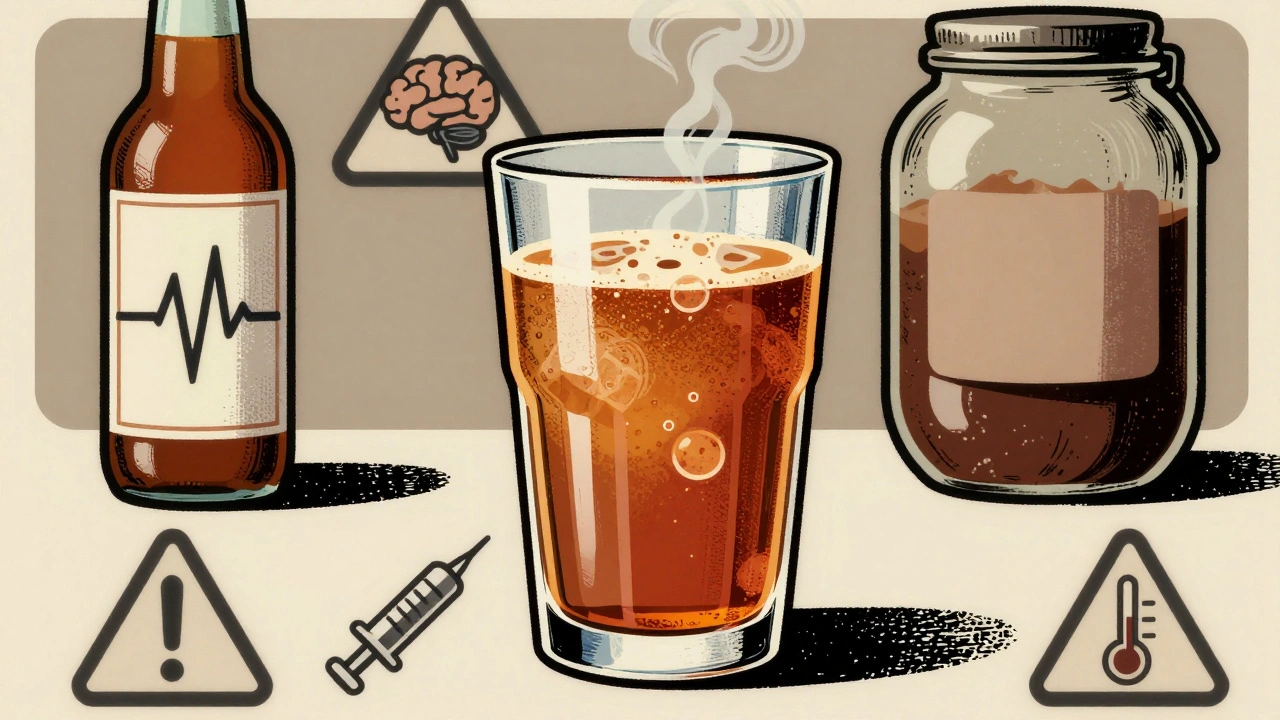
Kombucha contains trace alcohol that can interact dangerously with medications like metronidazole, SSRIs, and diabetes drugs. Learn what levels are safe, how to spot risky products, and what to do if you're on alcohol-sensitive meds.
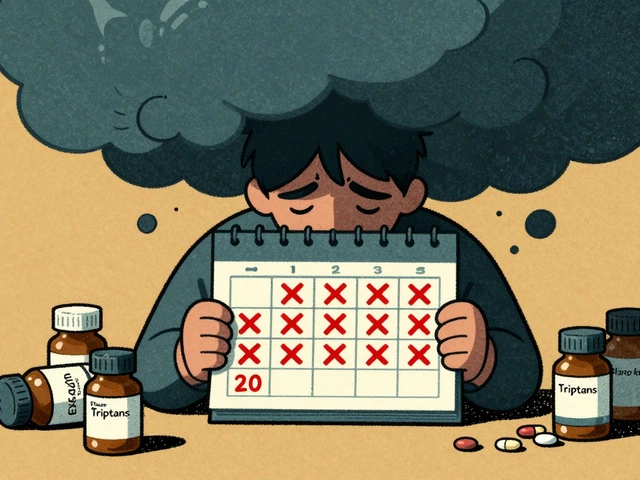
Medication overuse headaches are a hidden cause of chronic pain, triggered by too-frequent use of common painkillers. Learn how to identify them, safely stop the cycle, and find lasting relief with proven treatments.

Learn about BPPV, the cause of positional vertigo, and how canalith repositioning like the Epley maneuver can stop the room from spinning and restore balance.

A comprehensive side‑by‑side comparison of female Viagra (sildenafil) with Addyi, Vyleesi, generic options and herbal alternatives, covering how they work, dosing, safety and when each is best.

Explore comprehensive strategies for treatment-resistant depression, including augmentation options, ketamine therapy, and brain stimulation techniques.

Learn how dechallenge and rechallenge work to identify drug side effects. Understand the clinical methods doctors use to prove causality between medications and adverse reactions.