
When you hear low-dose CT, a type of computed tomography scan that uses significantly less radiation than a standard CT scan. Also known as low-dose CT scan, it's not meant to replace full scans—it's designed for routine screening in people at higher risk for certain diseases, especially lung cancer. Unlike traditional CT scans that capture detailed images for diagnosis, low-dose CT is about catching problems early, before symptoms show up. It’s the same machine, same technology, but with adjusted settings that cut radiation exposure by up to 80%.
This isn’t just a minor tweak—it’s a game-changer for people with a history of smoking, long-term exposure to pollutants, or a family history of lung cancer. Major health groups like the U.S. Preventive Services Task Force recommend annual low-dose CT scans for adults aged 50 to 80 who’ve smoked at least 20 pack-years and either still smoke or quit within the last 15 years. That’s over 8 million people in the U.S. alone who could benefit. The goal? Catch tumors when they’re small, treatable, and before they spread. Studies show that regular low-dose CT screening can reduce lung cancer deaths by up to 20% in high-risk groups.
It’s not just for lungs. Doctors are starting to use low-dose CT for other screening purposes too—like checking for coronary calcium buildup to assess heart disease risk, or monitoring people with a history of certain cancers for early signs of recurrence. The key advantage? Speed, safety, and sensitivity. A scan takes less than 10 seconds. No needles. No fasting. You just lie still while the machine spins around you. And because it’s so sensitive, it can spot nodules as small as a few millimeters—something a regular chest X-ray would miss entirely.
But it’s not perfect. False positives happen. A small spot on the scan might turn out to be harmless scar tissue or an old infection. That’s why follow-up tests, like repeat scans or biopsies, are often needed. That’s also why it’s not recommended for everyone. If you’ve never smoked, have no other risk factors, and are under 50, the risks of unnecessary testing likely outweigh the benefits. Radiation, even at low levels, adds up over time. The trick is knowing who it helps—and who it doesn’t.
What you’ll find in the articles below is a practical mix of real-world advice: how to prepare for a low-dose CT, what your results mean, how often you should get one, and what alternatives exist if you’re not a candidate. You’ll also see how it compares to other screening tools, what doctors look for in the images, and how insurance and policy changes are making this test more accessible. There’s no fluff—just clear, direct info from people who’ve been through it, or who’ve studied it closely. If you’re considering this scan—or already had one—these posts will help you understand what comes next.
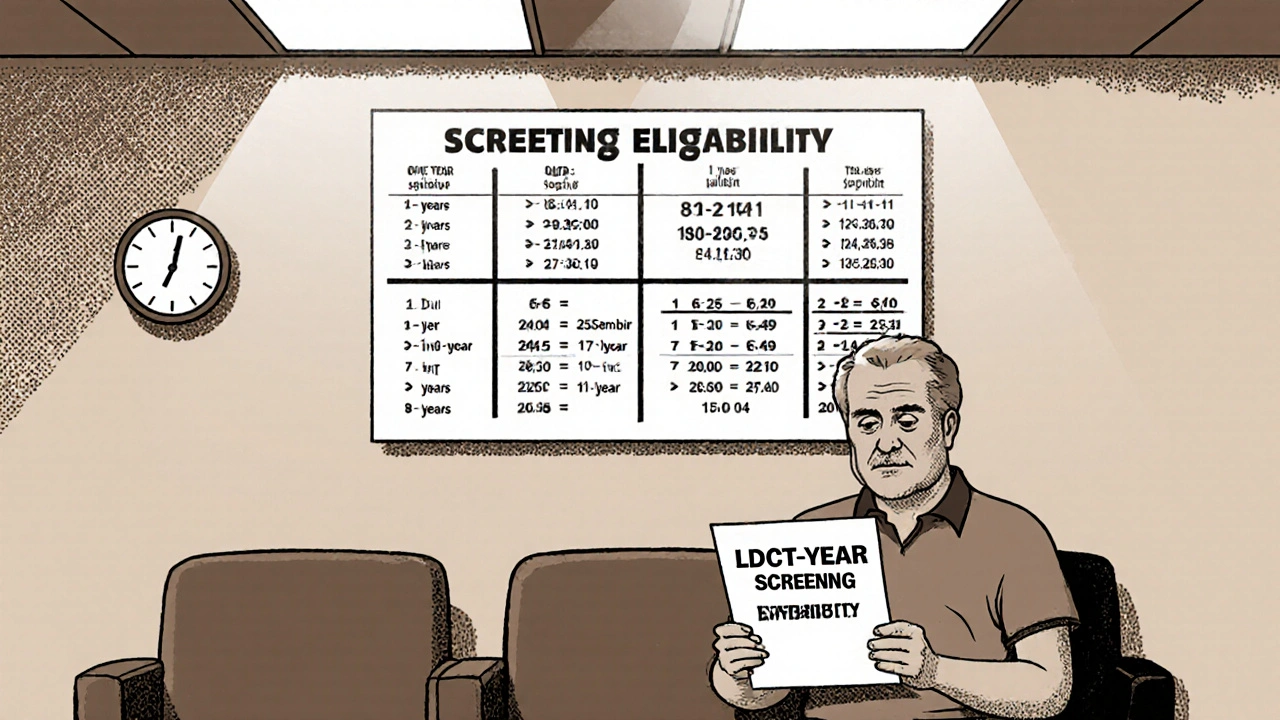
Low-dose CT screening can save lives in smokers by catching lung cancer early. Learn who qualifies, how it works, the real risks, and what to do next.
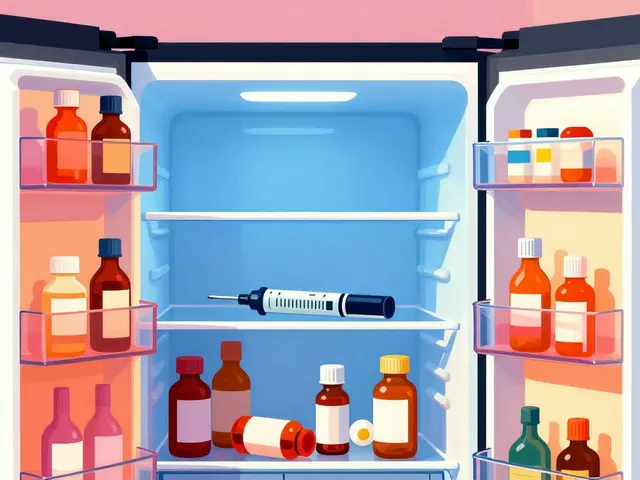
Learn how to safely store refrigerated medications at home. Discover the correct temperature ranges, common mistakes to avoid, and essential tools for keeping biologics and insulin effective.
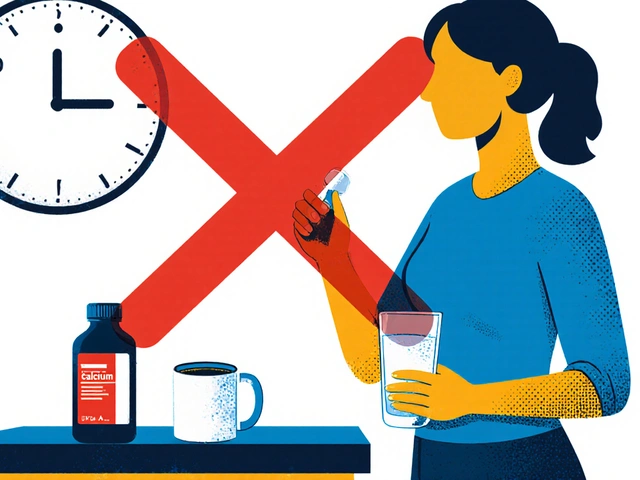
Learn how to take calcium supplements and bisphosphonates correctly to avoid absorption problems. Follow exact timing rules to maximize osteoporosis treatment and prevent fractures.

A practical guide comparing Modvigil (modafinil) with armodafinil, adrafinil, Provigil and caffeine‑L‑theanine, covering cost, duration, safety and best use cases.
Learn when the FDA grants bioequivalence waivers, skipping costly in-vivo studies. Discover BCS classification rules, cost savings, and practical steps for generic drug developers.
Learn how to buy generic Yasmin online safely and cheaply in 2026. Compare prices from RedBox Rx, Pandia Health, and GoodRx, and discover safe telemedicine options for affordable birth control.