
Ever wonder why your doctor keeps mentioning "kidney health"? Your kidneys filter waste, balance fluids, and keep blood pressure in check. When they’re not working right, you might feel tired, have swelling, or notice changes in urine. Let’s break down the most common causes, symptoms, and ways to manage kidney disease.
High blood pressure and diabetes are the biggest culprits. Both condition damage tiny blood vessels inside the kidneys, slowly reducing their filtering power. Other causes include chronic infections, autoimmune diseases like lupus, and long‑term use of certain pain relievers (especially ibuprofen or naproxen). Even a family history can raise your risk.
Early signs are easy to miss. Look out for persistent fatigue, swelling around the ankles or eyes, and frequent urination at night. Dark, foamy, or bloody urine can also point to trouble. If you notice any of these, ask your doctor for a simple blood test (creatinine) and a urine test (protein). Those results tell you how well your kidneys are filtering.
Don’t wait for pain to appear—kidney disease often develops silently. Regular check‑ups, especially if you have diabetes or hypertension, catch problems before they get serious.
Once diagnosed, treatment focuses on slowing the damage. Controlling blood pressure (often with ACE inhibitors or ARBs) and keeping blood sugar stable are the first steps. Your doctor may also suggest a low‑sodium, low‑protein diet to reduce kidney workload.
Medications can help, but lifestyle changes make a huge difference. Drinking enough water (about 8‑10 glasses a day) helps flush out toxins, but avoid over‑hydrating if you have fluid‑retention issues. Quit smoking, limit alcohol, and stay active—exercise improves circulation and blood pressure.
If the disease advances, your doctor might discuss dialysis or a kidney transplant. Those options sound intimidating, but many patients live full lives with proper support. Early referral to a nephrologist (kidney specialist) gives you more choices and better outcomes.
Remember, you don’t have to navigate this alone. Support groups, nutritionists, and online resources (like PharmaCorner) provide practical tips and answer questions in plain language.
To protect your kidneys right now, start with three simple habits: monitor your blood pressure, keep blood sugar in range, and watch your intake of salty, processed foods. Small changes add up and can keep your kidneys working smoothly for years.
Got more questions? Feel free to explore our other articles on kidney health, medication safety, and diet plans tailored for kidney disease. Staying informed is the best defense against kidney problems.

Learn how warfarin interacts with kidney disease, dosing tips, risks, and alternatives to keep you safe and in control of your anticoagulation.
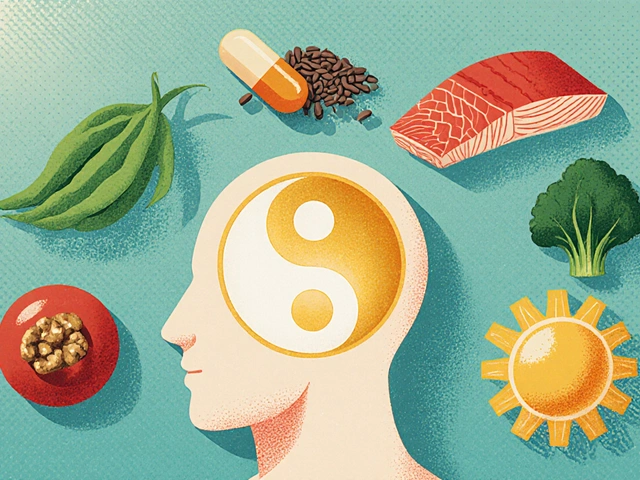
Learn practical diet and nutrition strategies to keep estradiol levels balanced, covering phytoestrogens, omega‑3s, vitamin D, fiber and more.

Benzodiazepines like Xanax and Valium may help with anxiety during pregnancy, but studies link them to increased risks of birth defects, miscarriage, and preterm birth. Learn what the latest research says and what alternatives exist.
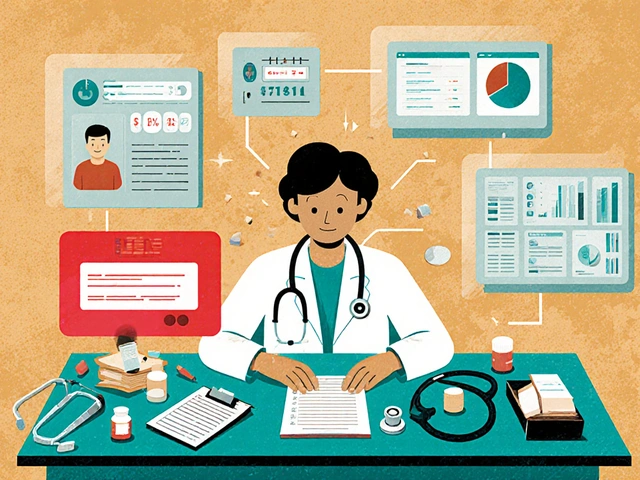
Learn how clinician portals and apps help healthcare providers detect adverse drug reactions in real time. Discover which tools work best for hospitals, clinical trials, and low-resource settings-and how to use them without burnout.
Save money on Zoloft in 2026. Compare cheap generic sertraline prices from GoodRx, RedBox Rx, and telehealth services. Learn how to buy safely and legally online.
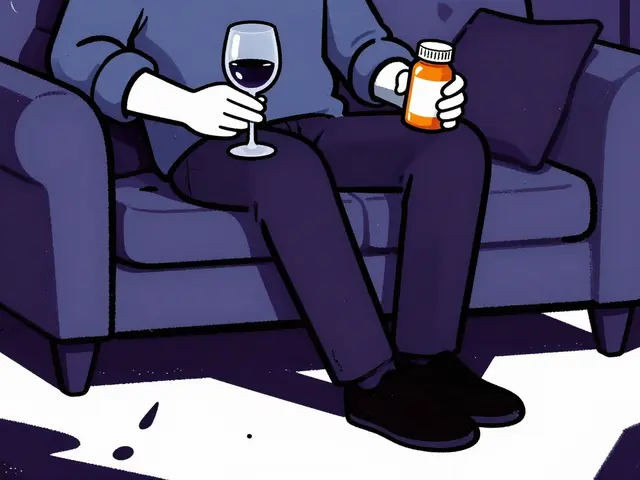
Discover the hidden dangers of mixing alcohol with prescription drugs. Learn how interactions affect your liver, increase overdose risks, and what steps you can take to stay safe.