
Heatstroke happens when your body overheats and can't cool down. It’s more than just feeling hot or tired—it’s a serious condition that can cause damage to your organs if you don’t act fast. The main cause is prolonged exposure to high temperatures, especially when you lose too much water and salt through sweating.
So how do you know if someone’s got heatstroke? Common signs include a high body temperature (above 104°F or 40°C), red and hot skin that may be dry or sweaty, confusion, dizziness, headache, nausea, and even unconsciousness. If you or someone else feels this way after being in the heat, don’t ignore it.
Avoiding heatstroke is easier when you stay aware of your surroundings. Drink plenty of water, even if you don’t feel thirsty. Wear loose, light-colored clothes and try to stay in the shade or air conditioning during the hottest parts of the day—usually noon to 4 PM. Take breaks if you’re working or exercising outside.
Pay extra attention to older adults, kids, and people with chronic illnesses—they’re more at risk. Also, be cautious when traveling to hot climates or during heatwaves. Knowing how to protect yourself can make a big difference.
If you suspect heatstroke, call emergency services immediately. While waiting, move the person to a cooler place and try to lower their body temperature. Use cool water to sponge them down or place ice packs on their neck, armpits, and groin areas. Avoid giving them anything to drink if they are unconscious or too confused to swallow safely.
Heatstroke is a medical emergency. Quick action can prevent serious complications or even save lives. Keep these tips in mind next time you're out in the heat, and encourage friends and family to do the same.

Sunburn and heatstroke often strike during hot days but are not the same thing. This article spotlights key differences, how to recognize early warning signs, and real-life ways to treat each condition if you or someone else gets hit. It covers prevention tips, real facts, and the science behind both sunburn and heatstroke. Whether you're sunbathing, working outdoors, or just enjoying a sunny weekend, you'll find clear guidance to keep yourself safe. Read on to know what to do if the summer heat gets the better of you.

If you're trying to expand your family, natural supplements like myo-inositol, CoQ10, and DHEA might give you that extra edge. This article digs deep into how these supplements may help, dosage tips, and the science behind their popularity. You'll find relatable, concrete insights for both women and men. Plus, learn how these options stack up against popular fertility drugs and discover practical tips that you can use right now.
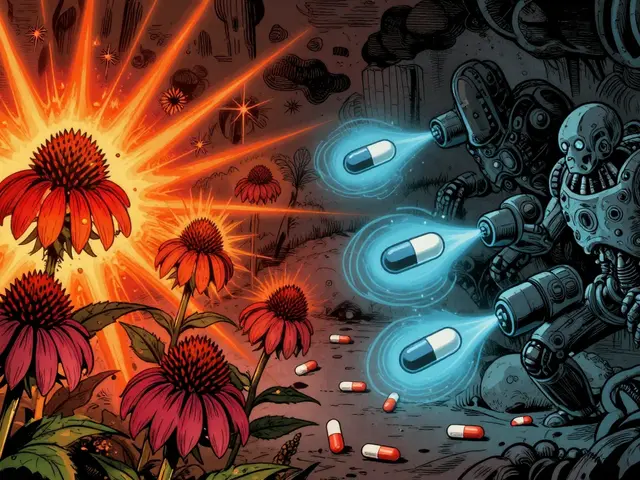
Echinacea may seem like a safe immune booster, but for people on immunosuppressants, it can interfere with life-saving medications. Learn why experts warn against using it after transplants or for autoimmune conditions.
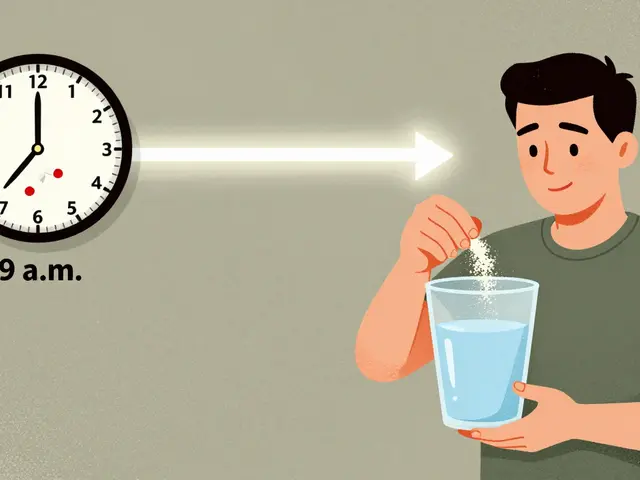
Fiber supplements like psyllium help with constipation but can interfere with medications. Learn the safest timing rules to avoid reduced drug effectiveness and side effects.
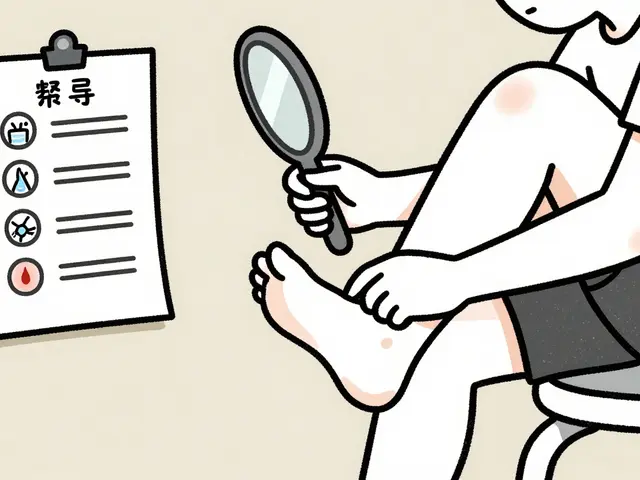
Learn the daily foot inspection checklist proven to prevent diabetic foot ulcers and avoid amputation. Follow evidence-based steps for washing, inspecting, moisturizing, and choosing safe footwear every day.
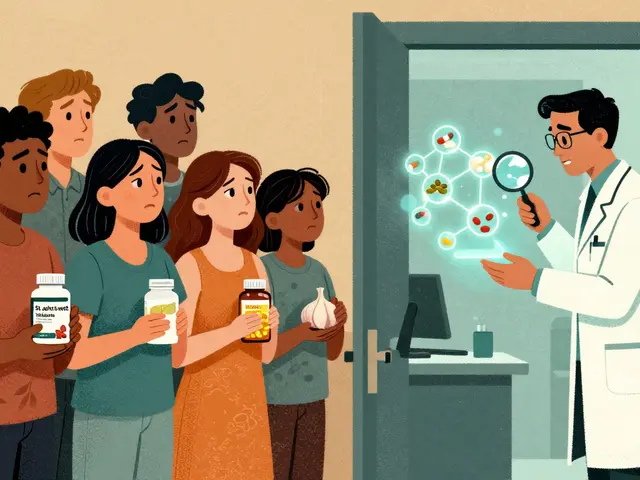
Most people don't tell their doctors about dietary supplements-even though they can interact dangerously with medications. Learn why full disclosure matters, which supplements are riskiest, and how to talk to your care team safely.