
When you're pregnant, your body changes in ways you can't always predict—like how it handles sugar. gestational diabetes, a type of diabetes that develops during pregnancy when the body can't make enough insulin to manage blood sugar. It's not your fault, and it doesn't mean you'll have diabetes forever—but it does need attention. About 6-9% of pregnant women in the U.S. get diagnosed with it each year, according to CDC data. The good news? Most cases are controlled with diet and movement, and babies are born healthy.
What makes gestational diabetes different from regular diabetes? It usually goes away after birth, but it raises your risk for type 2 diabetes later. That’s why tracking blood sugar control during pregnancy matters so much. High glucose levels can lead to bigger babies, early delivery, or even preeclampsia. Doctors check for it between weeks 24 and 28 with a simple glucose tolerance test. If your numbers are high, you might need to monitor at home with a glucometer—just like someone with type 1 or type 2 diabetes.
Most women manage it without medication. A gestational diabetes diet focuses on steady carbs, lean protein, and fiber-rich foods. Think whole grains, beans, leafy greens, and small meals every few hours. Avoid sugary drinks, white bread, and processed snacks. Some women need insulin during pregnancy if diet alone isn’t enough. Oral meds like metformin are sometimes used off-label, but insulin remains the gold standard because it doesn’t cross the placenta. You won’t need it forever—just until delivery.
After birth, your blood sugar usually returns to normal, but you should get tested again in 6-12 weeks. And if you had gestational diabetes once, you’re more likely to get it again in future pregnancies. The good part? Making healthy choices now—eating well, staying active, keeping weight in check—lowers your long-term risk of type 2 diabetes by up to 50%. It’s not just about this pregnancy. It’s about your next decade.
Below, you’ll find real, practical guides on how to handle blood sugar spikes, what foods help or hurt, how to interpret test results, and what to expect if you need insulin. No fluff. Just clear, actionable info from people who’ve been there.

Learn how to manage gestational diabetes with diet, exercise, and blood sugar monitoring to reduce risks during pregnancy and protect long-term health for both mother and baby.
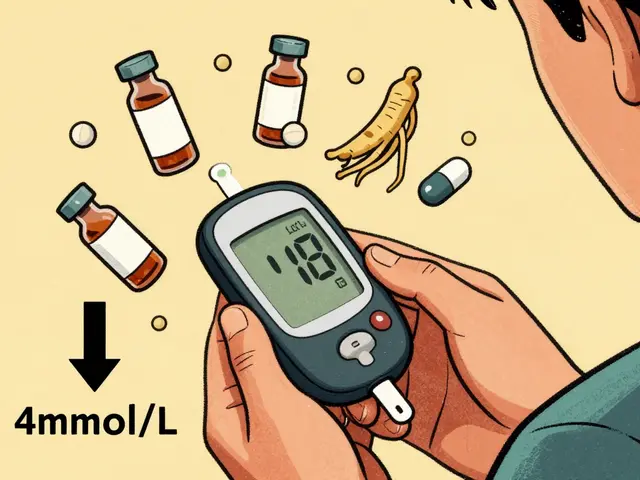
Ginseng may help lower blood sugar in type 2 diabetes, but it can dangerously interact with insulin and oral meds. Learn how to monitor your levels, avoid risks, and use it safely if approved by your doctor.
Learn how to safely buy Carbamazepine online in 2026. Compare telehealth services, trusted online pharmacies, and pricing tips for generic vs. brand name options.
Learn how to safely buy Orlistat online, comparing prices for Alli and Xenical at major retailers like Walmart and Target. Understand the differences between OTC and prescription options.
Explore how liver failure impacts vision, from jaundice and dry eye to retinal hemorrhages, and learn practical steps to protect eye health while managing liver disease.
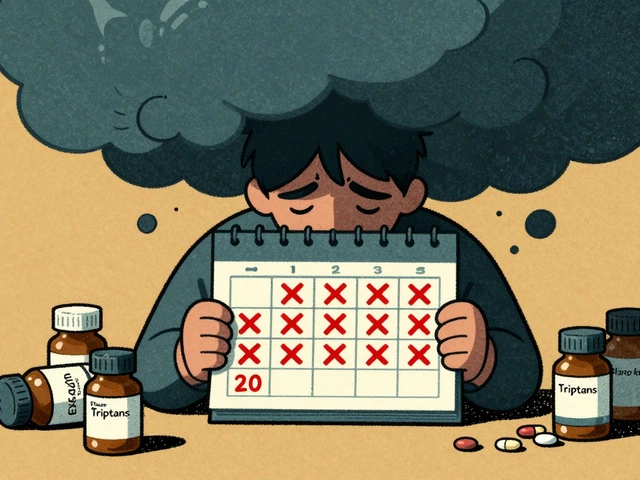
Medication overuse headaches are a hidden cause of chronic pain, triggered by too-frequent use of common painkillers. Learn how to identify them, safely stop the cycle, and find lasting relief with proven treatments.