
If you’ve been told you have fibromyalgia, the first thing you’ll want is relief that actually fits your life. Forget the one‑size‑fits‑all myths – there are meds, therapy tricks, and everyday habits that many patients swear by. Below you’ll find a straightforward road map that blends medical options with simple lifestyle tweaks.
Doctors often start with low‑dose antidepressants like duloxetine or milnacipran because they can lift mood and dull pain at the same time. If those don’t cut it, a short course of gabapentin or pregabalin might help calm nerve‑related discomfort. Remember, the goal isn’t to stay on high doses forever; many people taper down once they notice steady improvement.
Over‑the‑counter NSAIDs such as ibuprofen can ease flare‑ups, but they’re not a long‑term fix for the deep, aching soreness fibromyalgia brings. Talk to your pharmacist about rotating NSAIDs to lower stomach risk, and always pair them with food.
Exercise sounds scary when you’re stiff, but low‑impact activities like walking, swimming, or gentle yoga have solid research backing. Start with five minutes a day, then add a minute each session. Consistency beats intensity every time.
Sleep quality is another cornerstone. Keep a dark, cool bedroom, limit screen time an hour before bed, and consider a short, 20‑minute power nap if nighttime sleep stays fragmented. Some patients find a weighted blanket gives that extra sense of security and reduces tossing.
Cognitive‑behavioral therapy (CBT) teaches you how to reframe pain thoughts and manage stress. A therapist can guide you through pacing techniques—doing a little, resting, then doing a little more—so you avoid the boom‑bust cycle that worsens symptoms.
Don’t overlook nutrition. A balanced plate rich in omega‑3 fatty acids (found in salmon, walnuts, flaxseed) can lower inflammation. Some people report symptom drops after cutting refined sugars and processed foods, though results vary.
Mind‑body practices like deep breathing, meditation, or tai chi add another layer of control. Even five minutes of guided breathing before a stressful meeting can keep the pain spikes at bay.
Lastly, stay connected. Support groups—online or in‑person—offer practical advice and the motivation you need on tough days. Sharing what worked for you might spark an idea for someone else.
Putting all these pieces together takes trial and error, but the payoff is worth it. Start with one medication change, add a short walk, and track how you feel. Small, steady steps often lead to the biggest relief.

Explore how medication helps manage fibromyalgia pain, the main drug classes, their benefits, side effects, and tips for choosing the right regimen.
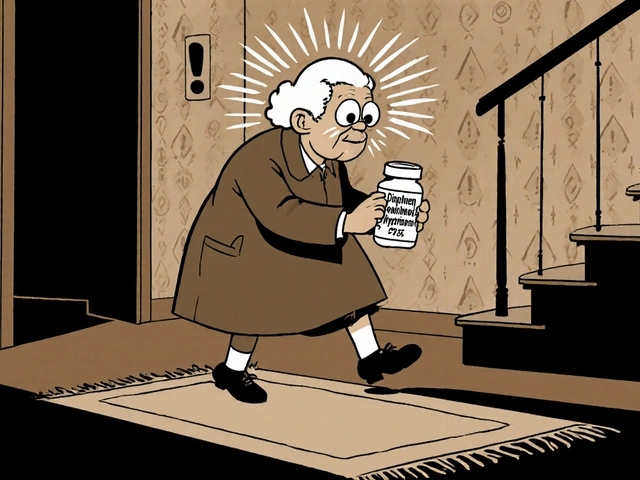
Sedating antihistamines like diphenhydramine significantly increase fall risk in older adults. Learn why first-generation options are dangerous, which safer alternatives exist, and practical steps to prevent falls through medication changes and home safety.
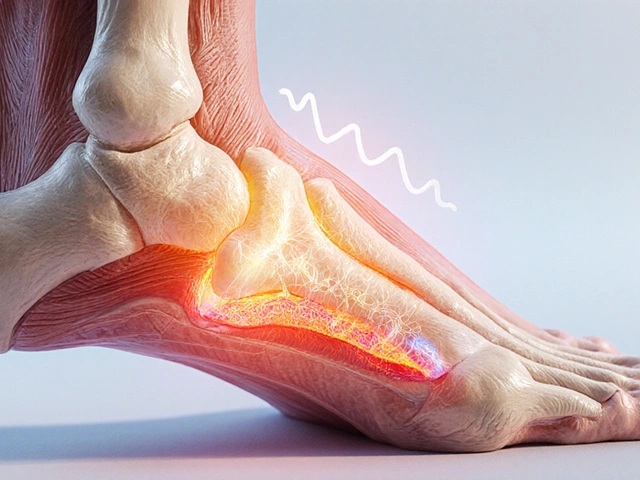
Discover how to soothe tendonitis pain naturally with ice, heat, stretches, strengthening exercises, and anti‑inflammatory herbs for lasting relief.

Struggling with lung inflammation can make even basic activities feel exhausting. Luckily, there are simple home remedies that can help calm inflammation and support lung health. Some everyday foods and easy habits can make a real difference. This article sorts out what actually works, from steam therapy to anti-inflammatory herbs. Give your lungs a break without having to run to the pharmacy.
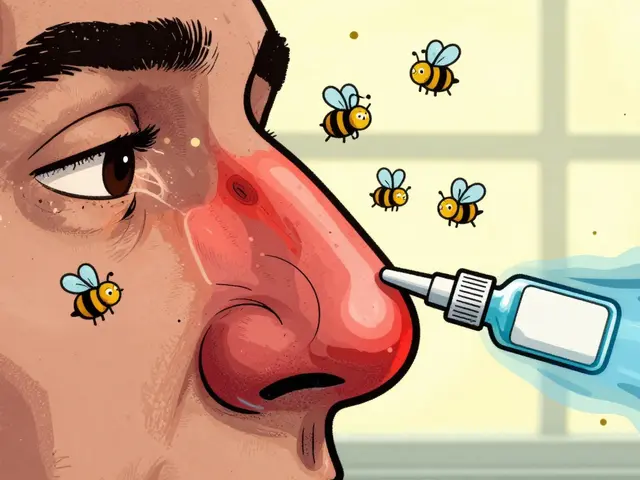
Nasal steroid sprays are the most effective treatment for allergic rhinitis, reducing inflammation to relieve congestion, sneezing, and runny nose. Learn how they work, why daily use matters, and how to use them safely.

Learn how to buy Antivert (meclizine) online easily. Compare prices, understand prescription rules, and find the best deals on generic options.