
When working with Female Viagra, a class of drugs designed to improve sexual arousal in women by enhancing blood flow to the genital area. Also known as women’s erectile dysfunction medication, it targets the same physiological pathways as male treatments but is formulated for female physiology. If you’re searching for Female Viagra, you’ll find it often paired with active ingredients like Sildenafil, a PDE5 inhibitor originally developed for men’s erectile dysfunction or newer agents such as Avanafil, a fast‑acting PDE5 inhibitor with a shorter side‑effect profile. These compounds work by relaxing smooth muscle and increasing blood flow, which is a core principle of Female Viagra.
Beyond PDE5 inhibitors, some women benefit from Flibanserin, a neurotransmitter modulator used to treat low sexual desire disorder. Unlike Sildenafil, Flibanserin acts on brain chemistry, highlighting that Female Viagra encompasses both vascular and neural pathways. Hormone Replacement Therapy, estrogen or testosterone supplementation to balance hormonal levels can also enhance response, showing that hormonal balance influences effectiveness of Female Viagra. Clinical practice often combines a PDE5 inhibitor with a short course of hormone therapy for synergistic results.
Safety is a big part of any Female Viagra plan. Drug interactions, especially with nitrates or certain antihypertensives, can raise blood pressure risks. When you consider buying a generic version online, verify the pharmacy’s license, compare prices, and check for reputable certifications—just like the guides for cheap generic Cialis or Sildenafil we’ve published. Understanding dosage, side‑effects, and monitoring requirements helps you use Female Viagra confidently. Below you’ll find an organized collection of articles covering everything from development histories to purchasing tips, so you can dive straight into the specific information you need.

A comprehensive side‑by‑side comparison of female Viagra (sildenafil) with Addyi, Vyleesi, generic options and herbal alternatives, covering how they work, dosing, safety and when each is best.
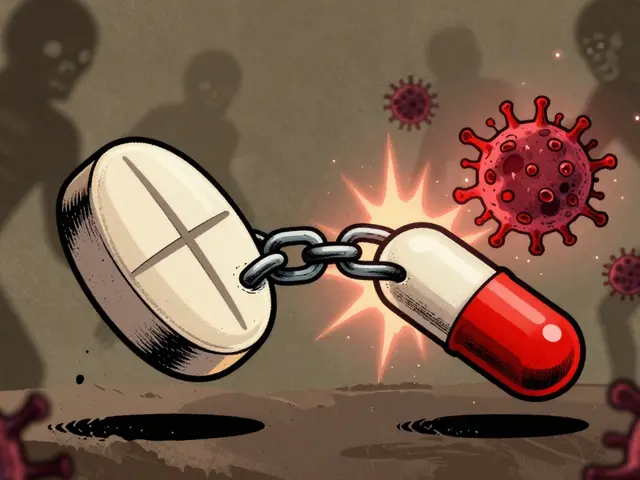
Calcium and iron supplements can block antibiotics, thyroid meds, and heartburn pills from working. Learn how to time your supplements so your medications actually work-and avoid hidden health risks.
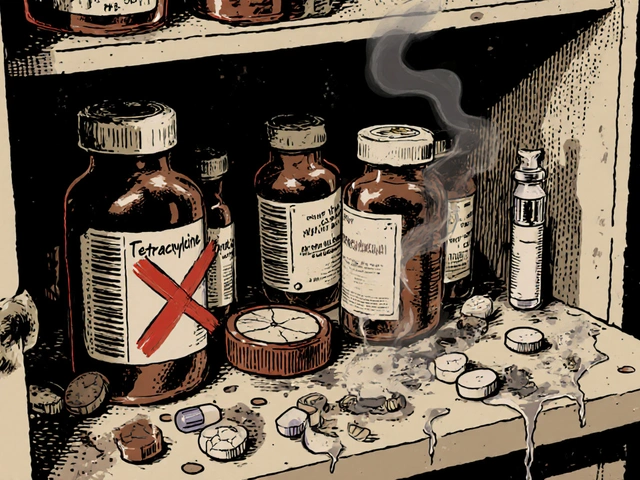
Check your medicine cabinet twice a year to remove expired drugs and prevent accidents. Learn what to toss, where to store meds safely, and how to dispose of them the right way.
Medicare Part D saves billions by prioritizing generics. This article explains how formulary tiers, recent laws, and plan choices impact prescription costs. Learn real-world savings examples and practical steps to maximize benefits.
Pitavastatin is a cholesterol-lowering drug with a lower risk of increasing diabetes compared to other statins. Research shows it's a safer option for people with prediabetes, though cost and access can be barriers. Learn how it stacks up against common alternatives and what experts recommend.

Vascular, frontotemporal, and Lewy body dementia are three distinct brain disorders with different causes, symptoms, and treatments. Knowing the difference can prevent dangerous misdiagnoses and improve care.