
Dementia affects millions, impacting memory, thinking, and daily life. While no cure exists, certain medications can slow symptoms and improve quality of life. Knowing the basic types of dementia drugs helps you make informed choices whether for yourself or a loved one.
The most common meds for dementia are cholinesterase inhibitors like donepezil, rivastigmine, and galantamine. They work by boosting chemicals in the brain that help memory and thinking. These drugs are usually prescribed for mild to moderate Alzheimer's disease and some other dementias. They won’t stop dementia, but they may slow down symptom worsening for a while.
Another option is memantine, used for moderate to severe dementia. It works differently, regulating glutamate, a brain chemical involved in learning and memory. Memantine can be combined with cholinesterase inhibitors for more support. Many patients experience better daily function with these treatments, but effects can vary from person to person.
Side effects are possible; common ones include nausea, dizziness, and headaches. If these pop up, don’t just stop the meds—talk with your healthcare provider about adjusting dosage or trying a different drug. It’s important to follow instructions closely and have regular check-ups to monitor any changes.
Keep in mind that medication is just one part of managing dementia. A routine including mental exercises, social interaction, physical activity, and a healthy diet can all support brain health alongside drugs. Also, discuss any other medications being taken to avoid harmful interactions.
Understanding dementia medication means knowing what they do, what to expect, and how they fit into a bigger care plan. While these drugs won’t cure dementia, they can make a noticeable difference in day-to-day life and help maintain independence longer.

Get real, practical, and up-to-date information about Exelon (rivastigmine), a medication for Alzheimer's and Parkinson's dementia. Learn how it works inside the brain, what results you can actually expect, best use tips, and advice for dealing with possible side effects. Find out who benefits from Exelon, important safety tips, and some lesser-known facts about living with dementia meds today.
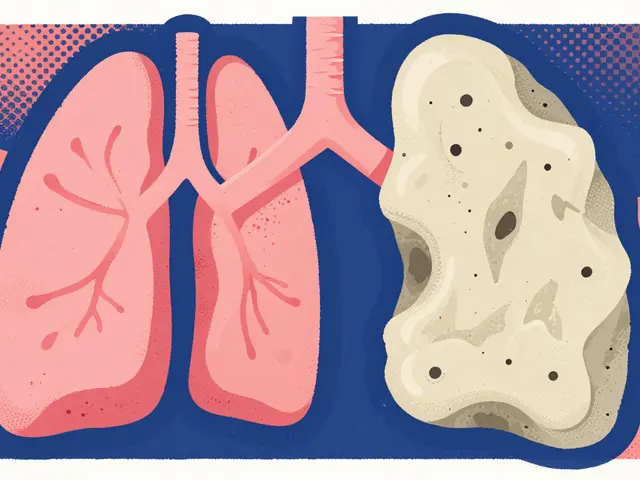
Discover which common medications can cause lung scarring and how to spot early signs. Learn about high-risk drugs like amiodarone and nitrofurantoin, plus steps to protect your lung health.

Vascular, frontotemporal, and Lewy body dementia are three distinct brain disorders with different causes, symptoms, and treatments. Knowing the difference can prevent dangerous misdiagnoses and improve care.

Learn how and where to buy phenazopyridine online in 2026. Compare OTC vs. prescription options, find the best prices with GoodRx and RedBox Rx, and understand safety guidelines for UTI pain relief.
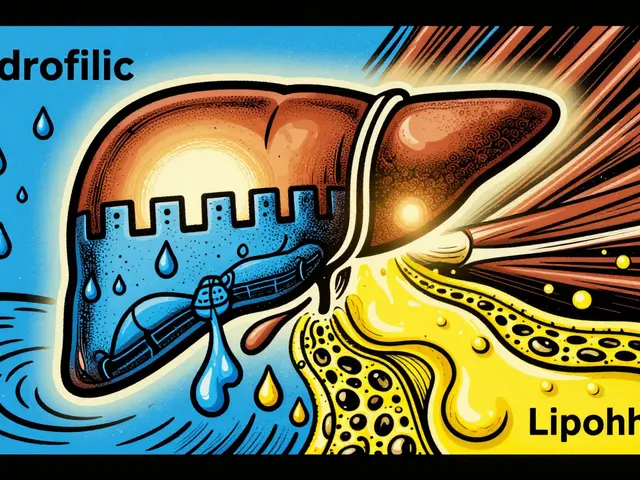
Explore the real differences between hydrophilic and lipophilic statins. Recent data challenges old beliefs about muscle pain, revealing that solubility isn't the only factor in side effects. Learn which type might be right for you.

Learn about BPPV, the cause of positional vertigo, and how canalith repositioning like the Epley maneuver can stop the room from spinning and restore balance.