
Cleocin Gel is a prescription‑only antibiotic cream that contains clindamycin. It’s meant for skin infections caused by bacteria, especially acne, small cuts, or ulcerated lesions. If your doctor prescribed it, they expect the gel to reduce redness, swelling, and the risk of the infection spreading.
First, wash your hands and gently clean the affected area with mild soap and water. Pat the skin dry – don’t rub, just let it air‑dry or use a soft towel. Then, squeeze a pea‑sized amount of gel onto a clean fingertip and spread it thinly over the entire lesion. The key is a thin layer; a thick coating can trap moisture and actually worsen acne.
Most doctors advise using Cleocin Gel twice a day, once in the morning and once at night. Stick to the schedule even if the skin starts feeling better – stopping early can let resistant bacteria grow back. If you miss a dose, apply it as soon as you remember unless it’s almost time for the next one; then just skip the missed dose.
After you finish the treatment, wash your hands again. This prevents the gel from accidentally getting on other skin surfaces or being transferred to someone else.
Cleocin Gel is generally well‑tolerated, but a few people notice mild irritation. Common reactions include itching, a burning sensation, or a slight rash at the application site. These usually fade after a few days. If you see severe swelling, blistering, or a rash that spreads beyond the treated area, stop using the gel and call your doctor right away.
Because clindamycin is an antibiotic, there’s a small risk of developing a fungal infection on the skin. If you notice white patches, scaling, or a new type of itching, let your doctor know – they may suggest an antifungal cream alongside the gel.
Another important point: don’t use Cleocin Gel on open wounds that are larger than a small cut unless your doctor says it’s okay. The medication is for localized infections, not for deep or heavily draining wounds.
Keep the tube tightly closed and store it at room temperature, away from direct sunlight. If it looks discolored or the texture changes, discard it and get a fresh prescription.
Pregnant or breastfeeding women should discuss the risks with their healthcare provider. While topical clindamycin isn’t usually a big concern, it’s best to be sure.
If Cleocin Gel doesn’t work for you or you experience persistent side effects, ask your doctor about alternatives. Options include other topical antibiotics like erythromycin, benzoyl peroxide for acne, or oral antibiotics for more severe infections.
In short, Cleocin Gel can be a simple, effective way to clear up bacterial skin problems when you follow the right steps. Clean the area, apply a thin layer twice daily, watch for any unusual reactions, and store the product properly. When in doubt, a quick call to your pharmacist or doctor can clear up most questions.
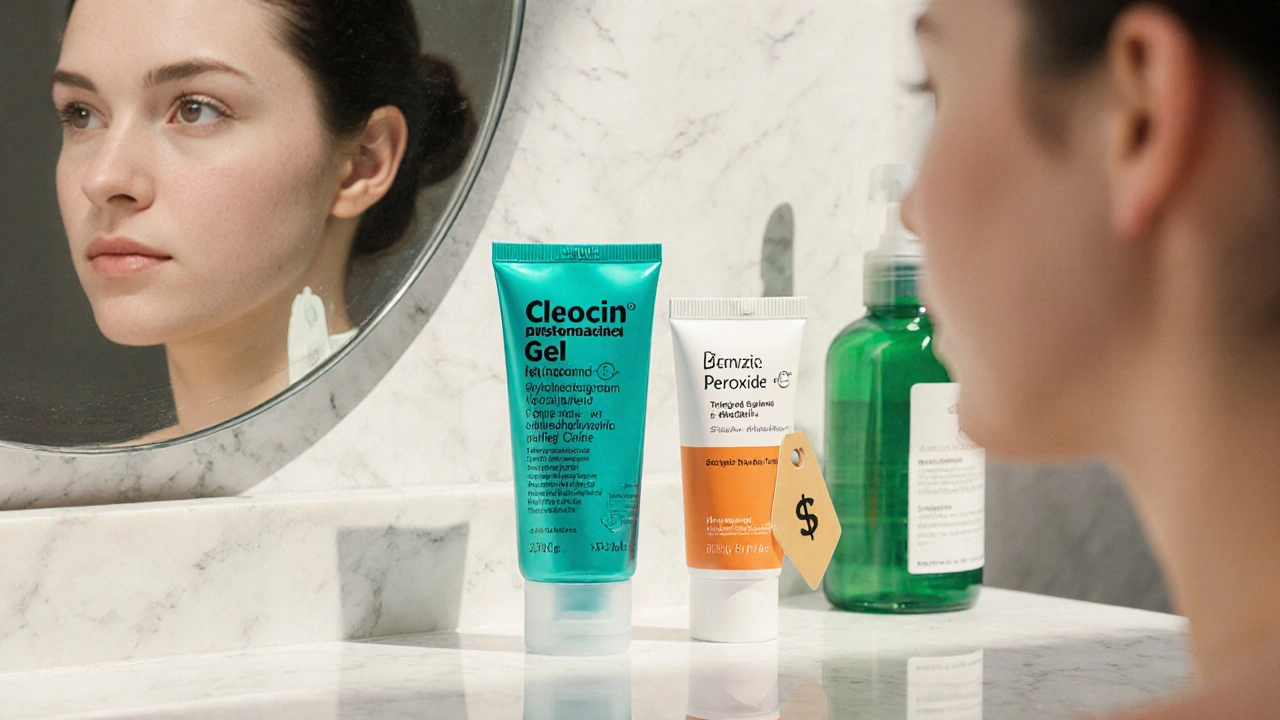
A clear comparison of Cleocin Gel (clindamycin) with other topical acne treatments, covering how they work, price, side effects, and tips for choosing the best option.

Prior authorization is a common but confusing step in getting your prescription covered by insurance. Learn what drugs require it, how the process works, what to do if it's denied, and how to avoid delays.

Learn how antibiotics trigger C. diff colitis and why fecal transplants are now the gold standard for recurrent infections. Understand risks, treatments, and prevention strategies.

Explore canadian-medshop-247.com—how it works, if it's safe, real tips on online prescriptions, and ways to save money on your medication orders.

Benzodiazepines like Xanax and Ativan work fast for anxiety but carry serious risks when mixed with opioids, alcohol, or sleep meds. Learn the real dangers, safe alternatives, and what to do if you're already on one.
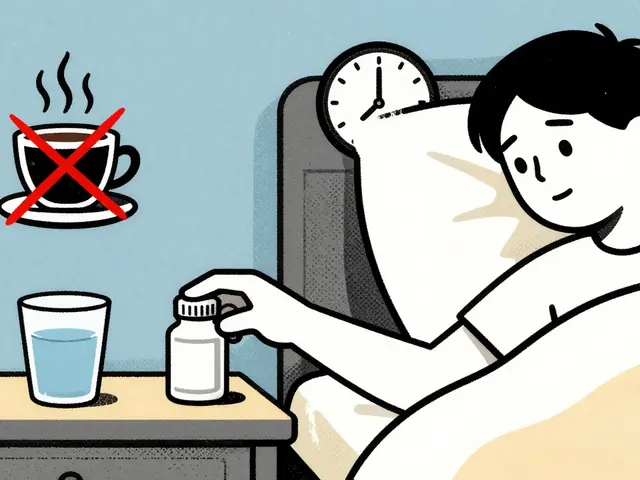
Master levothyroxine timing for optimal absorption. Learn the exact rules for fasting, avoiding food and supplement interactions, and stabilizing TSH levels effectively.