
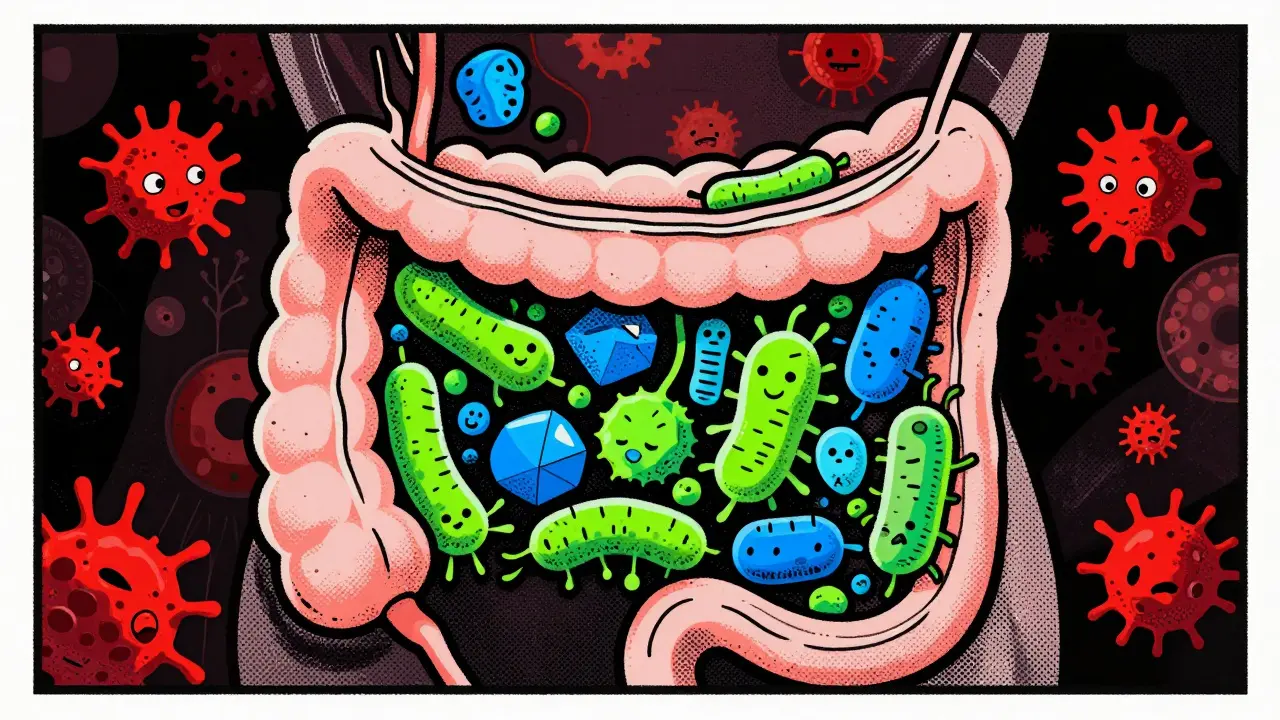
It starts with a stomach ache that won't go away. Then comes the diarrhea-watery, frequent, and often foul-smelling. If you’ve recently taken antibiotics, this isn’t just a bad bug; it might be Clostridioides difficile, also known as C. diff, a bacterium that turns your gut into a war zone. This infection, medically termed C. difficile colitis, is no longer just a hospital problem. It’s spreading into communities, fueled by our heavy reliance on powerful drugs to fight other infections. The good news? We finally have better ways to stop it, from smarter antibiotic use to groundbreaking treatments like fecal transplants.
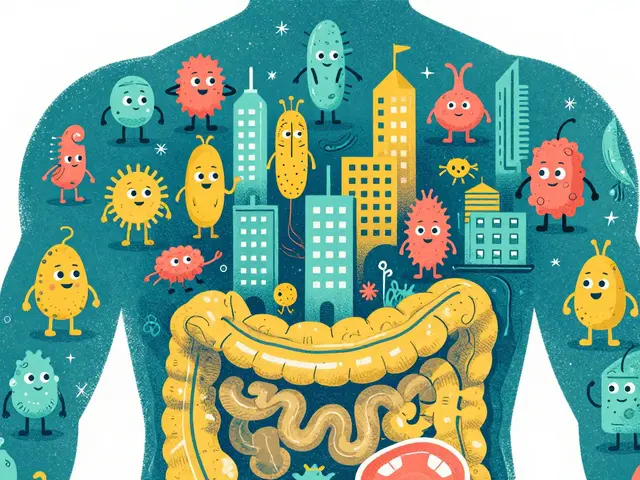
Understanding C. diff means understanding why your body’s natural defenses fail. It’s not about being weak; it’s about balance. Your gut is home to trillions of bacteria that keep harmful invaders in check. When you take certain antibiotics, you don’t just kill the bad bugs-you wipe out the good ones too. That leaves empty real estate for C. diff to move in, multiply, and release toxins that damage your colon lining. The result is inflammation, severe diarrhea, and in worst-case scenarios, life-threatening complications like toxic megacolon or sepsis.
Why Antibiotics Are the Main Culprit
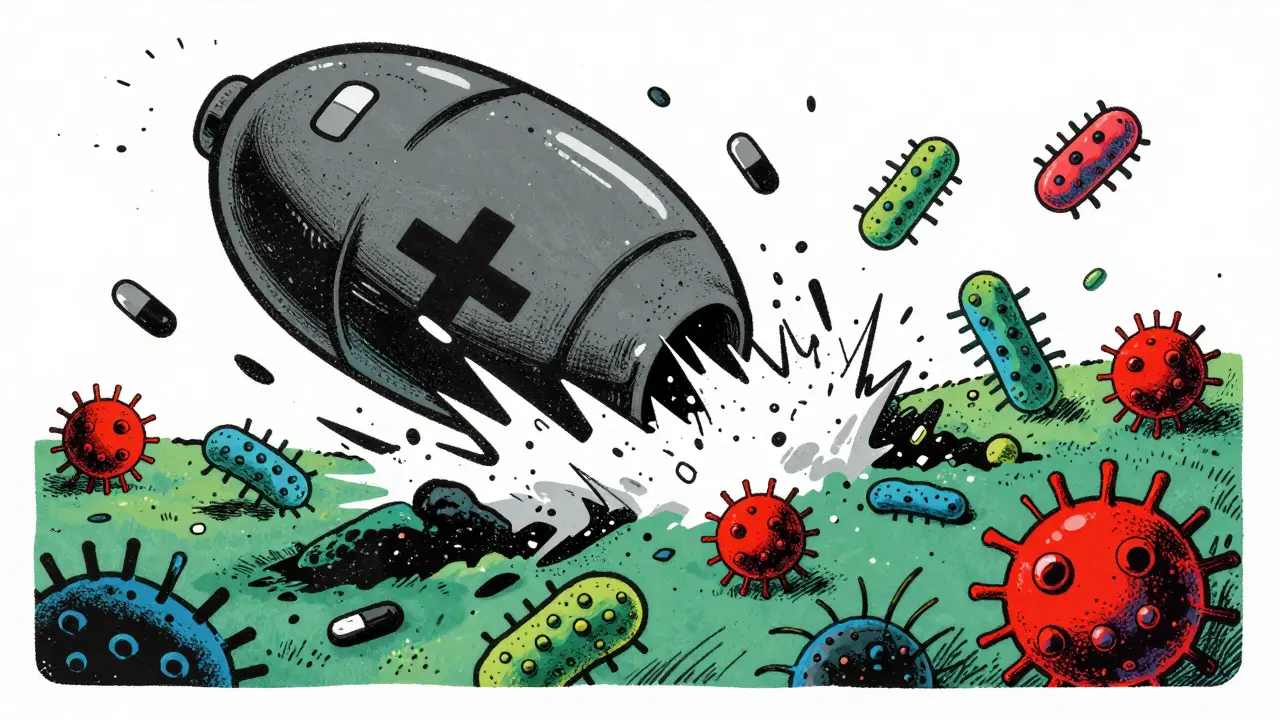
You might wonder how a medicine meant to heal can cause such trouble. The answer lies in specificity-or the lack thereof. Broad-spectrum antibiotics are like carpet bombs; they destroy everything in their path. While this saves lives in acute infections, it creates a vacuum in your microbiome. C. diff spores, which are incredibly hardy and resistant to many drugs, survive this bombardment. Once the competition is gone, they germinate and produce toxins A and B, which attack the intestinal cells.
Not all antibiotics carry the same risk. Some are far more likely to trigger C. diff than others. Knowing which drugs pose the highest threat can help you and your doctor make safer choices when an infection arises.
| Antibiotic Class | Risk Level | Key Examples |
|---|---|---|
| Beta-lactam/beta-lactamase inhibitors | Very High | Piperacillin-tazobactam (Zosyn) |
| Carbapenems | Very High | Meropenem, Imipenem |
| Broad-spectrum Cephalosporins | High | Ceftriaxone, Cefepime |
| Clindamycin | High | Clindamycin (Cleocin) |
| Fluoroquinolones | Moderate-High | Ciprofloxacin, Levofloxacin |
| Tetracyclines | Low | Doxycycline, Minocycline |
A major study published in JAMA Network Open analyzed over 33,000 hospitalizations and found that beta-lactam/beta-lactamase inhibitor combinations, particularly piperacillin-tazobactam, carried the highest hazard ratio for developing C. diff. Each additional day of antibiotic therapy increases your risk by about 8%. Interestingly, the risk doesn’t just climb linearly; it spikes during initial exposure, stabilizes, then rises sharply again after two weeks of treatment. This data underscores why shortening antibiotic courses whenever possible is critical.
Symptoms and When to Seek Help
C. diff symptoms can range from mild to severe. Mild cases might look like a standard case of gastroenteritis, but there are telltale signs that point specifically to C. diff. You’ll typically experience watery diarrhea three or more times a day. Unlike viral stomach bugs, C. diff diarrhea often has a distinct, unpleasant odor. You may also feel abdominal cramping, fever, nausea, and dehydration. In severe cases, the infection can lead to pseudomembranous colitis, where patches of inflamed tissue form in the colon, or even toxic megacolon, a dangerous expansion of the colon that requires emergency surgery.
If you’ve been taking antibiotics within the last three months and develop persistent diarrhea, don’t ignore it. Contact your healthcare provider immediately. Early diagnosis through stool testing for C. diff toxins or PCR genetic markers can prevent the infection from worsening. Delaying treatment allows the bacteria to spread further and makes eradication harder.
Standard Treatments vs. Recurrent Infections
For a first-time, non-severe C. diff infection, doctors usually prescribe oral vancomycin or fidaxomicin. These antibiotics target C. diff specifically without wiping out as much of the rest of your gut flora as broader agents do. Fidaxomicin has gained favor because it maintains a narrower spectrum and reduces recurrence rates compared to traditional vancomycin. However, the real challenge emerges when the infection returns. About 20-30% of patients experience a recurrence after their first course of treatment, and each subsequent relapse becomes harder to cure.
Why does it come back? Often, it’s because the underlying imbalance in your gut microbiome hasn’t been resolved. You kill the active C. diff bacteria, but the environment remains vulnerable. Spores can linger in the gut, waiting for the next opportunity to thrive. This cycle of infection, treatment, and relapse can be physically exhausting and emotionally draining for patients.
Fecal Microbiota Transplantation: The Game Changer
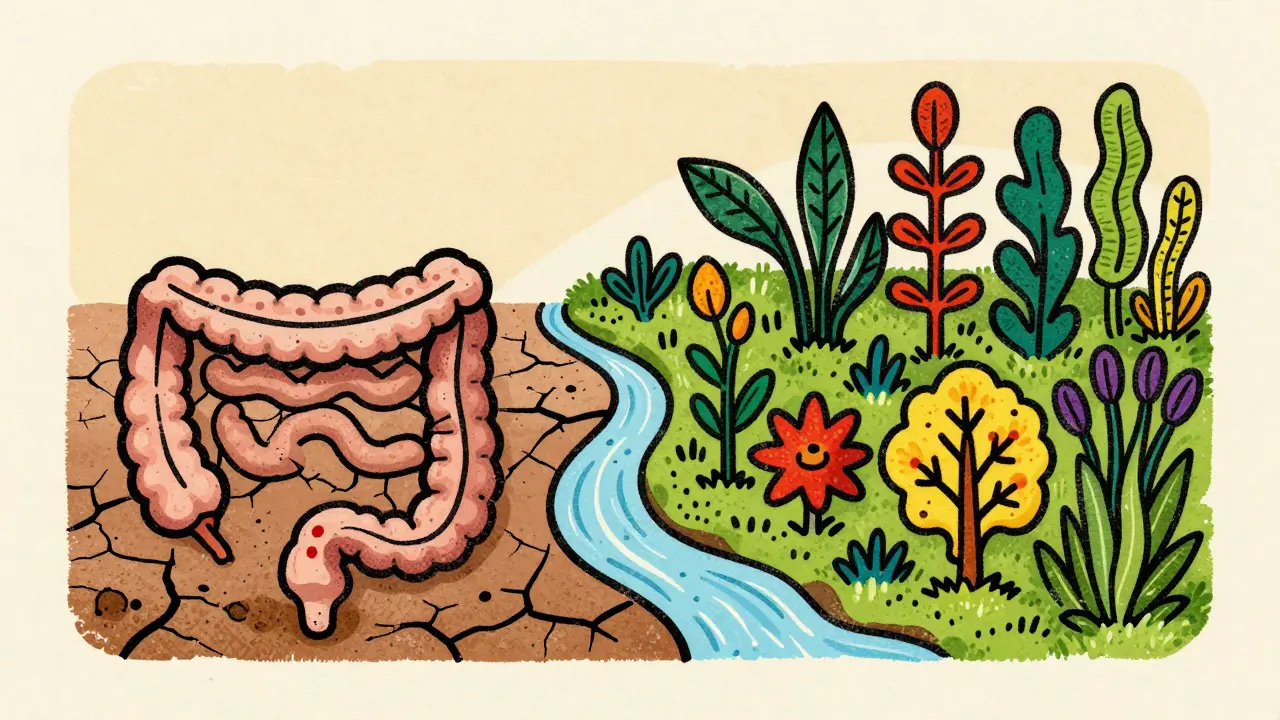
This is where Fecal Microbiota Transplantation (FMT) enters the picture. Don’t let the name scare you off. FMT involves transferring processed stool from a healthy, rigorously screened donor into the patient’s gastrointestinal tract. The goal isn’t just to add good bacteria; it’s to restore the entire ecosystem of the gut. Think of it as reseeding a barren field with diverse, resilient plants so weeds (like C. diff) can’t take hold.
The evidence supporting FMT is compelling. A landmark 2013 study in the New England Journal of Medicine showed a 94% cure rate for recurrent C. diff after FMT, compared to only 31% with standard vancomycin treatment. Today, guidelines from the American Gastroenterological Association recommend FMT for patients who have experienced three or more recurrences. Success rates consistently hover between 85% and 90%, making it one of the most effective interventions in modern gastroenterology.
How is it done? There are several methods. Colonoscopy is the most common, allowing direct delivery to the colon. Enemas and nasogastric tubes are also used. Recently, oral capsules containing freeze-dried donor stool have become available, offering a less invasive option. The FDA regulates these procedures strictly, requiring donors to undergo extensive screening for infectious diseases, metabolic disorders, and lifestyle factors to ensure safety.
Newer Therapies and Future Directions
While FMT works wonders, the “yuck factor” and logistical hurdles have driven innovation. The FDA has approved standardized microbiome-based therapies like Rebyota and Vonjo, which offer consistent dosing and easier administration than physician-compounded FMT. These products contain specific strains of bacteria selected for their ability to combat C. diff and restore gut health.
Another emerging tool is bezlotoxumab, a monoclonal antibody that targets toxin B produced by C. diff. It doesn’t kill the bacteria directly but neutralizes the toxin, reducing the severity of symptoms and lowering recurrence rates by about 10% when added to standard antibiotic therapy. Researchers are also exploring probiotics, though current evidence suggests they’re insufficient as standalone prevention due to potential risks in immunocompromised individuals.
Prevention and Antibiotic Stewardship
The best way to avoid C. diff is to prevent the initial disruption of your gut flora. This starts with antibiotic stewardship-the practice of using antibiotics only when necessary and choosing the narrowest-spectrum drug possible. If you’re prescribed an antibiotic, ask your doctor if it’s truly needed. For viral infections like colds or flu, antibiotics offer zero benefit and only increase your C. diff risk.
In healthcare settings, strict hygiene protocols are essential. C. diff spores are resistant to alcohol-based hand sanitizers, so washing hands with soap and water is crucial. Hospitals are also implementing “Start Smart-Then Focus” programs, where antibiotic therapy is reviewed within 48-72 hours to ensure it’s still appropriate. Reducing unnecessary broad-spectrum antibiotic use and limiting duration beyond 14 days are key strategies identified by recent studies to curb CDI incidence.
For those at high risk, such as asymptomatic carriers, new strategies are being evaluated. Dr. Larry Kociolek from the CDC notes that while stewardship helps non-carriers, additional approaches like targeted biotherapies may be needed for those who already harbor C. diff spores. The future lies in personalized microbiome restoration, moving beyond one-size-fits-all solutions to tailored therapies that rebuild individual resilience.
Is C. diff contagious?
Yes, C. diff is highly contagious. The bacteria form spores that can survive on surfaces for months. Transmission occurs primarily through the fecal-oral route, meaning poor hand hygiene after using the bathroom or touching contaminated surfaces can spread the infection. Washing hands with soap and water is essential, as alcohol sanitizers do not kill C. diff spores.
Can I get C. diff without taking antibiotics?
Yes, although less common. Community-associated C. diff infections have risen, affecting people who haven’t recently taken antibiotics or been hospitalized. Factors like age, weakened immune systems, and proton pump inhibitor use can increase susceptibility. However, antibiotic exposure remains the primary risk factor for most cases.
How long does it take for FMT to work?
Many patients experience symptom relief within 24 to 48 hours after receiving a fecal microbiota transplant. The full restoration of gut flora takes longer, but the rapid resolution of diarrhea is a hallmark of successful FMT. Multiple sessions may be required if the first treatment doesn’t fully resolve the infection.
Are there side effects to FMT?
Side effects are generally mild and temporary, including bloating, gas, constipation, or abdominal discomfort. Serious complications like transmission of undetected pathogens are rare due to rigorous donor screening. Long-term effects on the recipient’s microbiome are still being studied, but current data shows strong safety profiles.
What should I eat during a C. diff infection?
Focus on hydration and easily digestible foods. Avoid high-fiber foods initially if diarrhea is severe, as fiber can worsen cramping. Gradually reintroduce bland foods like bananas, rice, applesauce, and toast (the BRAT diet). Probiotic-rich foods like yogurt are popular, but consult your doctor first, as some studies suggest probiotics may not be beneficial for everyone with active C. diff.
Amy Bogdahn
June 26, 2026 AT 07:23stop whining about the smell and just take the pills.
Sonam Norbu
June 26, 2026 AT 12:11This is what happens when you rely on weak healthcare systems instead of building a strong national immune system through discipline. We need stricter antibiotic laws here in the US, not more excuses for people to get sick because they cant handle basic hygiene. It's a failure of personal responsibility and national oversight combined.
KESHAV KUMAR
June 27, 2026 AT 04:59Oh great, another post telling us that the medicine saving our lives is actually killing us slowly. Thanks for the scare tactics. I'm sure my doctor would love to hear from an internet stranger about 'carpet bombing' my gut flora while he's trying to keep me from dying of pneumonia. Real helpful.
Tumble Farm
June 28, 2026 AT 06:35The distinction between broad-spectrum and narrow-spectrum antibiotics is critical here. Many patients do not understand why their physician switches them from ceftriaxone to something else or stops treatment early. The data regarding piperacillin-tazobactam carrying the highest hazard ratio is well-documented in recent literature. It is important to note that fidaxomicin has a narrower spectrum than vancomycin, which preserves more of the anaerobic microbiota. This preservation is key to preventing recurrence. Patients should always ask their provider about the specific spectrum of the prescribed agent. Do not assume all antibiotics are equal in terms of collateral damage to your microbiome. The JAMA study cited is a robust source for this information. Understanding the mechanism of toxin A and B production helps explain why simply killing the bacteria isn't enough if the environment remains conducive to spore germination. Education on this topic reduces unnecessary anxiety but also promotes proactive inquiry during medical consultations.
Koushiki Behera
June 29, 2026 AT 07:57It is fascinating how our bodies are ecosystems 🌿. We often forget that health is balance rather than just absence of disease. The idea of reseeding the gut feels like returning to nature’s original design 🧬. I hope more people look at this with open minds and less fear. Science is catching up to ancient wisdom about community and connection within our own cells ✨.
Hafiz Omeiza
June 29, 2026 AT 21:43It is profoundly irresponsible to suggest that individuals should question the necessity of antibiotics without consulting a medical professional. Antibiotic stewardship is a systemic issue, not a matter of patient defiance. The formal guidelines established by the American Gastroenterological Association exist for a reason. To imply that one can self-diagnose or self-manage C. diff risks based on a blog post is morally reprehensible. The severity of toxic megacolon cannot be overstated. One must adhere strictly to prescribed protocols. The notion of 'asking if it is truly needed' is valid only within the context of a detailed clinical discussion, not casual conversation. Ignorance of the pharmacokinetics of beta-lactams does not excuse poor decision-making. We must uphold the sanctity of medical authority. Deviation from standard care leads to preventable morbidity and mortality. The ethical obligation lies with the practitioner to prescribe correctly and the patient to comply fully. Any deviation from this binary structure invites chaos into the healthcare landscape. Such chaos is unacceptable.
Alex Johnston
June 30, 2026 AT 08:26They want you to think FMT is safe lol. Who do you think these donors are? Random strangers off the street? Big Pharma loves a new revenue stream and now they are selling poop capsules. Rebyota and Vonjo are just expensive placebo scams designed to keep you dependent on their ecosystem control. The FDA is compromised. They screen for diseases but not for the subtle frequency shifts that disrupt your biofield. Wake up sheeple. The real cure is avoiding the hospital entirely and trusting your body's natural resonance. But no, you have to pay $5000 for freeze-dried stool from some guy named Dave who probably eats processed cheese. Typical. :/
krystal Live
June 30, 2026 AT 11:13omg this is so scary but also kinda cool that science has a fix for it!! i had a friend who got this after being in the hospital and she was super sick for weeks. its crazy how much power those good bacteria have. we really need to treat our guts better guys! dont just pop pills every time you have a sniffle. stay strong everyone u got this 💪✨
Sam Dudgeon
July 1, 2026 AT 10:18i mean i tried the probiotics first cause who wants to drink someone elses waste right? but honestly the yogurt stuff did nothing for me. still getting cramps every night. maybe i should have just done the colonoscopy route sooner. feels weird talking about it though. why does nobody talk about the smell of the donor material? thats what keeps me up at night. wondering if they screened for bad breath too. seems like a gap in the protocol to me. anyway just sharing my experience incase anyone else is hesitating. its gross but effective i guess. if you gotta go you gotta go.
ankit agarwal
July 2, 2026 AT 11:55The ontological shift required to comprehend the microbiome as an extended phenotype is profound. We are not autonomous agents but rather holobionts, symbiotic conglomerates where the bacterial biomass rivals human cellular count. The epistemological framework of modern medicine, rooted in germ theory, fails to account for the ecological dynamics of dysbiosis. When we administer broad-spectrum antibiotics, we are engaging in a form of biological colonialism, decimating indigenous microbial populations and allowing invasive species like Clostridioides difficile to establish hegemony. The fecal microbiota transplant represents a paradigm shift towards restorative ecology rather than eradicationist pathology. It acknowledges that health is a state of equilibrium within a complex adaptive system. We must transcend the dualistic view of pathogen versus host and embrace a triadic model including the environmental context. The jargon-heavy discourse surrounding this topic often obscures the simple truth: we are interconnected webs of life, not isolated entities fighting a war against invisible enemies. True healing requires recognizing our interdependence with the microbial world.
Dez Johnston
July 2, 2026 AT 13:21I know exactly how draining it is to deal with recurrent infections. It takes a toll on your mental health as much as your physical body. I went through three rounds of vancomycin before my doctor suggested FMT. I was terrified at first, but reading about the success rates helped calm my nerves. It really helped to have a support person there for the procedure. If anyone is feeling overwhelmed, please reach out to a counselor or a support group. You are not alone in this struggle. There is light at the end of the tunnel, even if it feels dark right now. Take it one day at a time.
Ashley Jacelyn
July 2, 2026 AT 23:28Thank you for sharing this comprehensive guide. It is so important to have accurate information available for those navigating this difficult diagnosis. I appreciate the clear breakdown of symptoms and treatments. It gives me peace of mind knowing there are effective options like bezlotoxumab and FMT available. Please continue to share valuable resources like this. It makes a huge difference for people who are scared and looking for answers. Stay safe and healthy everyone.