
If you’ve heard about chlorella’s green‑power benefits and are wondering how much to take, you’re not alone. People start with small amounts, watch how they feel, then tweak the dose. This guide walks you through the basics, so you can pick a safe and effective amount without guessing.
Most manufacturers recommend 1–3 grams of chlorella powder for beginners. That’s roughly one to three teaspoons a day. If you use tablets, the usual range is 2,000–6,000 mg spread over 1–3 pills. The key is to start low—about 1 gram or one tablet—then increase gradually if you tolerate it well.
Why start low? Chlorella is packed with nutrients, and a sudden high dose can cause mild digestive upset, like gas or a run‑ny nose. By easing in, your gut microbes get a chance to adjust, and you’ll notice any side effects early.
Want more than basic nutrition? Athletes often push to 5–10 grams daily to support recovery and iron intake. For detox or heavy‑metal chelation, some experts suggest up to 10 grams, but only under a health professional’s watch. If you’re using chlorella for weight‑management or immune support, 3–5 grams a day is a common sweet spot.
Kids and teens should stay below 1 gram unless a pediatrician says otherwise. Their bodies are smaller, and the nutrient density can be too strong if you give them adult amounts.
Form matters, too. Powder mixes easily into smoothies, juices, or water. Tablets are convenient for travel and precise dosing. Capsules often contain a blend of powder and binders, which can affect absorption slightly, but the difference isn’t huge.When you add chlorella to a meal, you’ll likely feel fuller faster. That can be a plus if you’re trying to curb cravings, but it also means you might need to adjust the timing of other supplements. For example, take iron supplements at a different time, because chlorella’s high iron content can interfere with absorption.
Safety first: Check the label for a third‑party test seal. Contamination with heavy metals is a real risk with algae products. Choose brands that publish lab results, and store the powder in a cool, dry place to keep it fresh.
If you notice persistent stomach cramps, diarrhea, or a strong iodine taste, cut back or pause for a few days. Most people find their sweet spot after a week of steady use.
Quick checklist:
Bottom line: Chlorella can be a powerful addition to your routine, but the right dose depends on your age, goals, and how your body reacts. Start low, watch the signs, and adjust slowly. With the right amount, you’ll get the nutrient boost without the unwanted side effects.

Curious about chlorella? Get an evidence-based look at its nutrition, real benefits, safe dosage, side effects, and how to choose a clean, quality supplement.
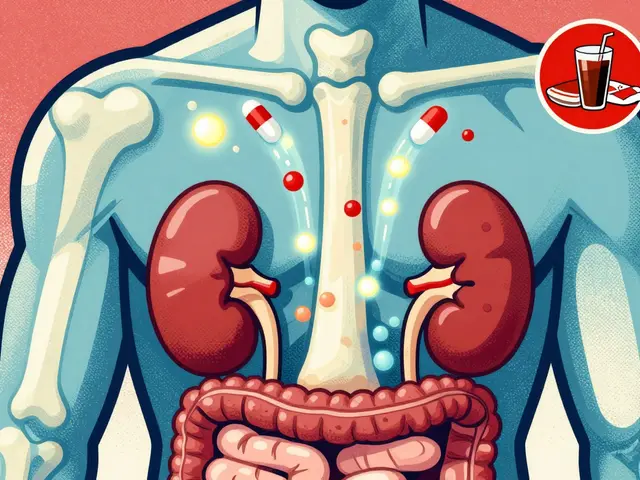
Learn how to manage hypoparathyroidism with calcium and vitamin D, including dosing, diet, monitoring, and when to consider newer PTH therapies. Avoid kidney damage and stabilize your symptoms with proven strategies.
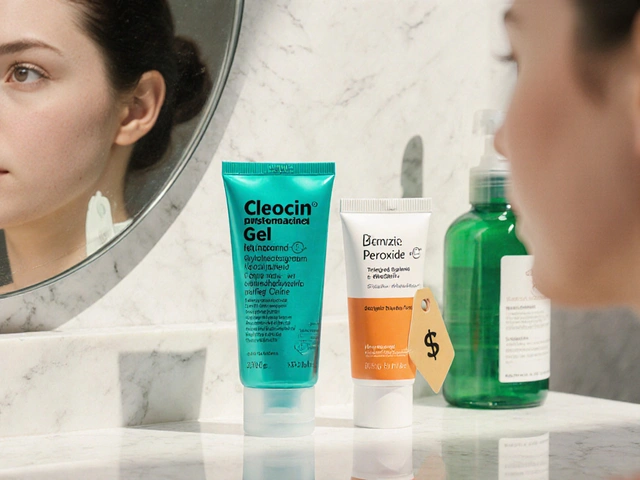
A clear comparison of Cleocin Gel (clindamycin) with other topical acne treatments, covering how they work, price, side effects, and tips for choosing the best option.
A practical guide for families on preparing for and conducting discussions with medical teams about elderly drug regimens to prevent adverse events.

Explore clinical outcomes data comparing generic and brand-name drugs. Learn about bioequivalence, real-world study results, and best practices for providers.
Over half of patients with chronic conditions skip or forget their medications due to cost, confusion, complex schedules, and fear of side effects. Understanding these barriers is the first step to better health outcomes.