
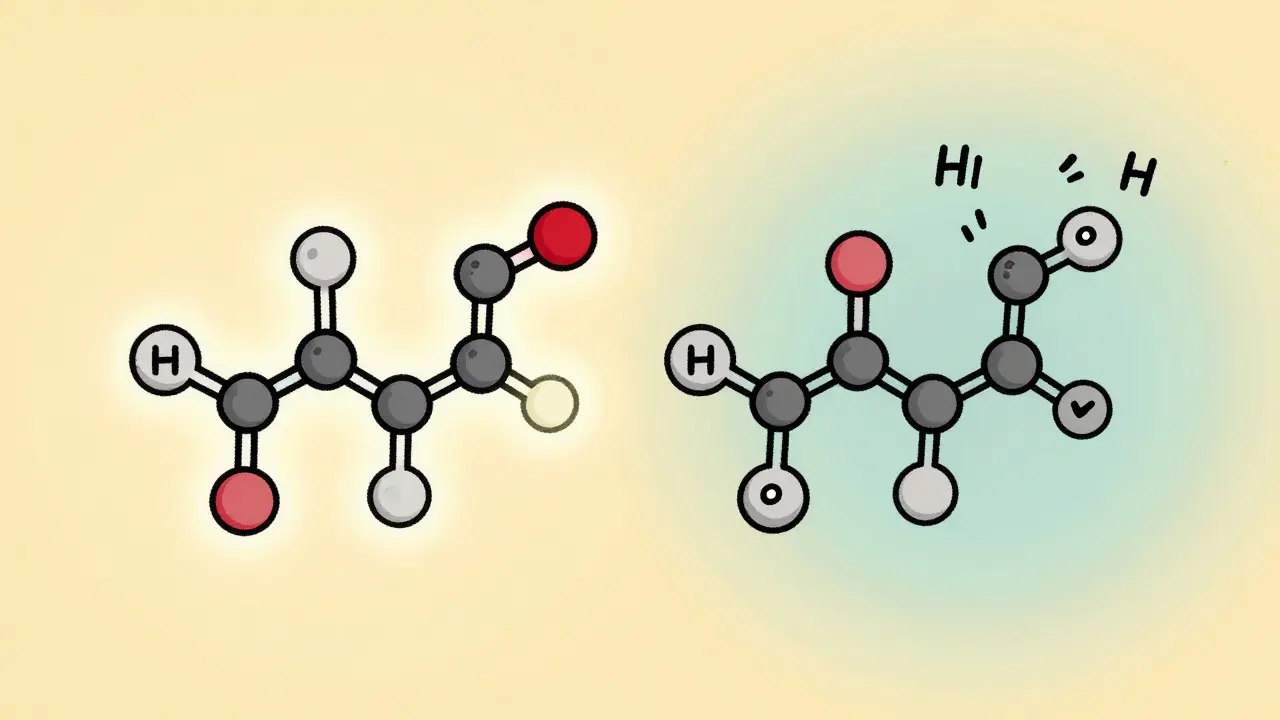
Cetirizine and levocetirizine both treat allergies, but levocetirizine causes less drowsiness. Learn why one might be better for daytime use and how to choose based on your needs.

Explore how medication helps manage fibromyalgia pain, the main drug classes, their benefits, side effects, and tips for choosing the right regimen.
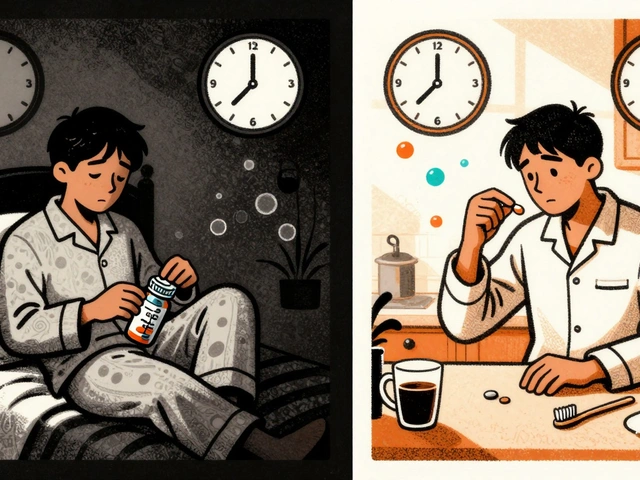
The best time to take statins isn't about night or morning-it's about consistency. Learn how statin timing affects side effects and cholesterol lowering, and why adherence beats clock time.
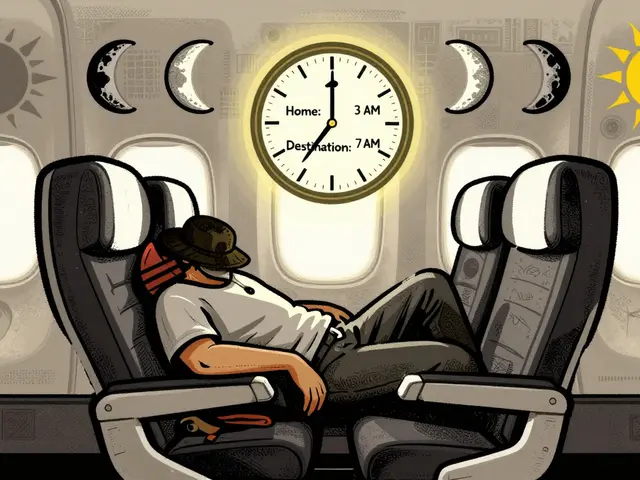
Jet lag and delayed sleep phase disorder disrupt your body's internal clock, leading to chronic fatigue and health risks. Learn how light, melatonin, and consistency can reset your rhythm-backed by science.

Explore how self‑driving cars could reshape traffic jams, the tech behind them, policy levers, real‑world pilots, and what it means for commuters and cities.
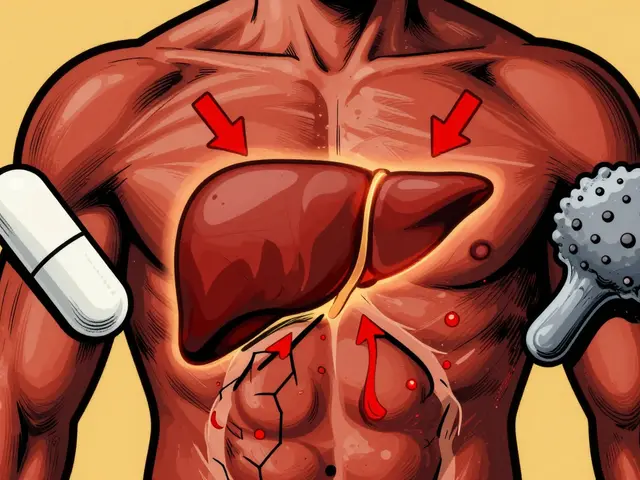
Statins and antifungal medications can dangerously interact, increasing the risk of rhabdomyolysis-a severe muscle breakdown condition. Learn which statins are safest, which antifungals to avoid, and what to do if you're on both.