
When you have eczema, a chronic skin condition marked by dry, itchy, inflamed patches. Also known as atopic dermatitis, it doesn’t flare up because you’re dirty — it flares because of how you clean yourself. Most people with eczema think they need to scrub harder or use strong soaps to get clean. But that’s exactly what makes it worse. The real goal isn’t to remove dirt — it’s to protect your skin’s barrier while gently cleaning it.
Warm water, not hot. Also known as lukewarm water, it’s the only temperature that won’t strip natural oils or trigger itching. Hot showers might feel good at first, but they dry out your skin fast and can cause redness and burning within minutes. Keep baths or showers under 10 minutes. Use your hands or a soft cloth — no loofahs, scrubbing brushes, or rough towels. Skip bubble baths, bath oils with fragrance, and anything labeled "exfoliating" or "detoxing." These are full of irritants that attack your skin’s outer layer.
After you get out, pat your skin dry — don’t rub. Then, within three minutes, apply a thick moisturizer or ointment. This is the most important step. Wet skin holds moisture better, so locking it in right after bathing helps rebuild your skin’s protective shield. Look for products with ceramides, petrolatum, or glycerin. Avoid lotions with alcohol, menthol, or essential oils — they may smell nice but they’re like vinegar on a cut.
Some people with eczema find relief by adding a little bleach to bathwater — but only if your doctor says it’s okay. A tiny amount (about half a cup for a full tub) can help reduce bacteria on the skin that cause flare-ups. But don’t guess — talk to your provider first. Others use colloidal oatmeal baths, which soothe itching without drying. Both are tools, not cures. They work best when paired with consistent moisturizing and avoiding known triggers like sweat, wool, or harsh detergents.
You don’t need fancy routines or expensive products. Just three things: short, warm baths; gentle cleaning; and immediate moisturizing. Do that every day, and you’ll see fewer flare-ups, less scratching, and more comfortable skin. The rest — creams, pills, light therapy — matters too, but if your bathing habits are wrong, nothing else will stick.
Below, you’ll find real advice from people who’ve lived with eczema for years — what worked, what didn’t, and the small changes that made all the difference.
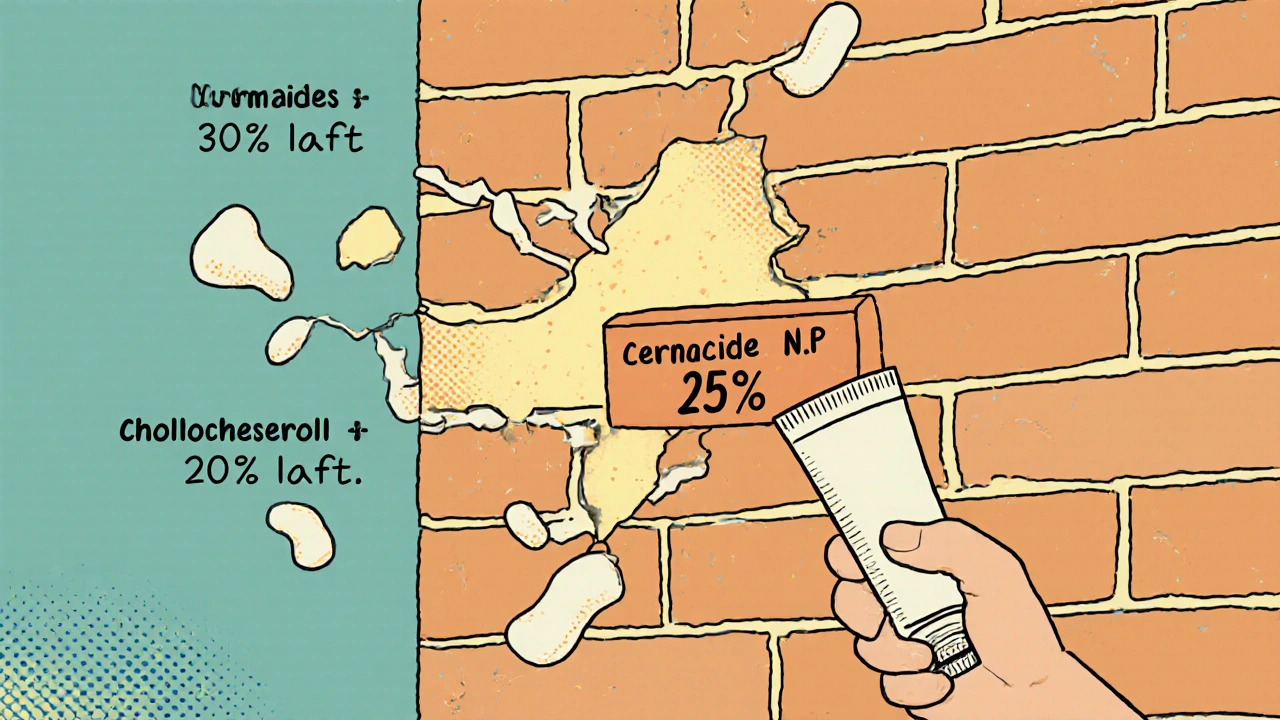
Ceramides restore the skin barrier in eczema by replacing missing lipids. Proper bathing-short, lukewarm soaks followed by immediate moisturizing-boosts results. Learn how to use ceramides effectively for lasting relief.
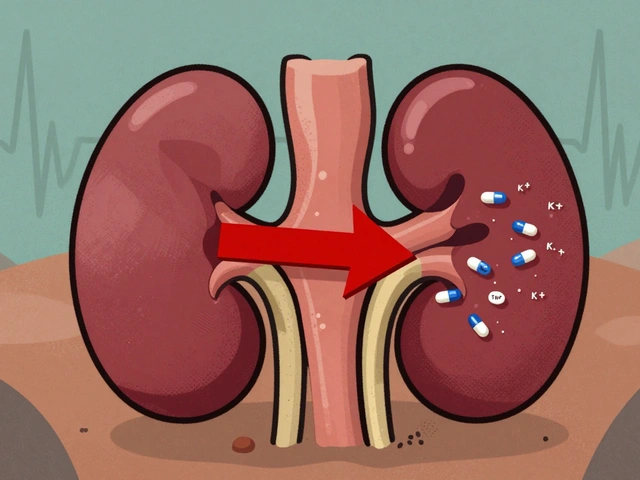
Trimethoprim can cause dangerous spikes in potassium levels, especially in older adults or those on blood pressure meds. Learn who's at risk, how to prevent life-threatening hyperkalemia, and safer antibiotic alternatives.

Explore the real evidence behind probiotics. Learn how to match specific strains like LGG to your digestive needs and avoid common supplement pitfalls.

Vitiligo camouflage offers temporary and permanent cosmetic solutions to conceal depigmented skin patches. Learn how specialized makeup and micropigmentation work, their pros and cons, real user experiences, and what experts recommend for best results.

Compare Penegra (sildenafil) with leading ED alternatives like Viagra, Cialis, Levitra, and Stendra. Learn differences in onset, duration, side effects, and price to find the right medication.
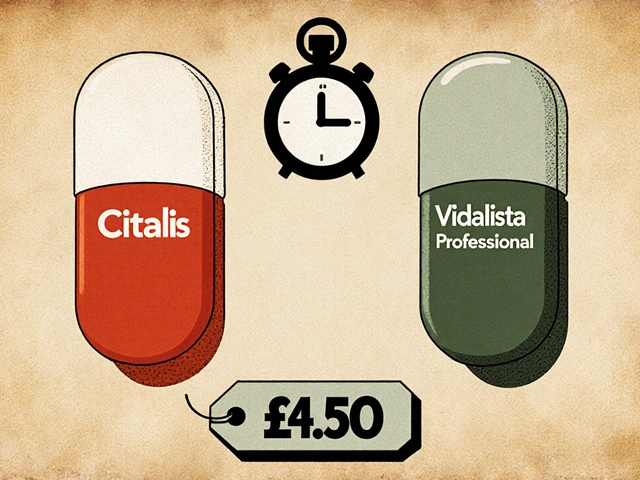
Compare Vidalista Professional with Cialis and other tadalafil generics to find the safest, most cost-effective option for treating erectile dysfunction. Learn what really matters-active ingredients, safety, and where to buy.