
If you’ve ever been warned about antibiotic resistance, you know it’s not just a buzz‑word. Overusing antibiotics makes bacteria smarter, and that can turn a simple sore throat into a tough problem later. The good news? There are plenty of alternatives that can handle mild infections, boost your body’s own defenses, and keep the scary resistant bugs at bay.
First, ask yourself how serious the infection is. A fever over 101°F, rapid spreading redness, or severe pain usually means you need a prescription. But for things like a minor skin scrape, a low‑grade sinus issue, or a mild urinary discomfort, you can often try other methods first.
Key signs that an alternative might work include:
If these apply, you have a solid chance to avoid antibiotics and still feel better.
1. Probiotics – Good bacteria can out‑compete the harmful kind, especially in the gut. For mild gastrointestinal upset, a daily probiotic with strains like Lactobacillus or Bifidobacterium helps restore balance and may shorten the illness.
2. Herbal Antimicrobials – Some herbs have real science behind them. Garlic, oregano oil, and honey (especially Manuka) show antibacterial activity in lab studies. Adding a clove of raw garlic to meals or a teaspoon of honey to tea can give your immune system an extra push.
3. Topical Treatments – For skin cuts or minor burns, clean the area with saline, then apply a thin layer of honey, aloe vera gel, or a zinc‑based ointment. These create a barrier and have mild antimicrobial properties.
4. Immune‑Boosting Nutrition – Vitamin C, zinc, and vitamin D are not miracle cures, but they support immune cells. A balanced plate with citrus, leafy greens, nuts, and fatty fish can keep your defenses ready.
5. Warm Compresses & Steam – For sinus congestion or ear pain, heat helps improve blood flow and clears blockages. A warm washcloth over the nose or a hot shower can reduce pressure without any medication.
Start with self‑care for 48‑72 hours. If symptoms improve, you’ve likely chosen the right path. However, watch for red flags: persistent fever, swelling that spreads quickly, severe pain, or any sign of sepsis (confusion, rapid heartbeat). At the first sign of these, call a health professional.
It’s also smart to let your doctor know you’re trying an alternative. Many clinicians will support a watch‑and‑wait approach if they see you tracking symptoms and staying within safe limits.
Bottom line: antibiotics are lifesavers for serious infections, but they’re not the only tool in the toolbox. By recognizing when a mild infection can be handled with probiotics, herbal remedies, or simple home care, you protect yourself and help slow down antibiotic resistance. Give these alternatives a try, stay alert, and you’ll be in better shape to keep infections under control.

A practical guide comparing Duricef (cefadroxil) with common oral antibiotics, covering effectiveness, dosing, side‑effects, costs, and when to choose each option.

A detailed look at Chloramphenicol, its clinical uses, safety concerns, and how it stacks up against common alternatives such as Azithromycin, Ciprofloxacin, and Doxycycline.

Dizziness after surgery can be a common yet disorienting experience. This piece explores practical ways to manage dizziness effectively, delving into causes and offering helpful tips for recovery. Understanding how to navigate these post-surgery effects is key to a smoother healing process. Learn what to expect and how to ease this sensation in everyday life.

Medicare can now negotiate drug prices for the first time under the Inflation Reduction Act. Discover how this cuts costs for seniors, changes insurer discounts, and reshapes the entire U.S. drug pricing system.

Fluoxetine, an antidepressant, is often prescribed to treat depression, anxiety, and various mood disorders. Understanding its medical effects, potential side effects, and interactions with other medications can help users make informed decisions. This article also covers common dosages and recommendations, ensuring safety and effectiveness. Discover ways to access the best deals with practical tips and considerations.

Curious about chlorella? Get an evidence-based look at its nutrition, real benefits, safe dosage, side effects, and how to choose a clean, quality supplement.
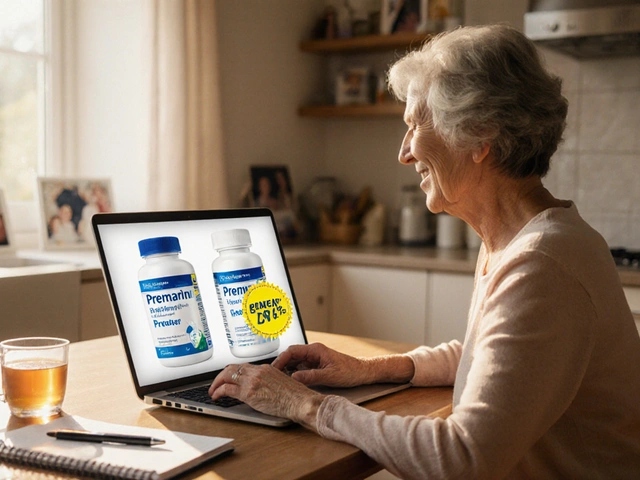
Discover how to safely purchase cheap generic Premarin online in the UK, compare costs, verify pharmacy legitimacy, and save up to 70% on hormone therapy.