
When your body responds to a medicine in a way it wasn’t meant to, that’s an adverse drug reaction, an unintended and harmful response to a medication at normal doses. Also known as drug side effects, these reactions can range from a mild rash to life-threatening organ damage—and they happen more often than most people realize. Not every reaction is the same. Some are predictable, like stomach upset from NSAIDs. Others are unpredictable, triggered by your genes, other meds you’re taking, or even tiny differences in how a generic drug is made.
One major cause of unexpected reactions is drug-drug interactions, when two or more medications interfere with each other’s absorption, metabolism, or effect in the body. For example, taking warfarin with certain antibiotics can spike your bleeding risk. Another big player is bioequivalence, the idea that generic drugs must perform like their brand-name versions. But small differences in fillers or how fast a pill dissolves can matter—especially with narrow therapeutic index drugs like levothyroxine or digoxin. A patient might switch to a cheaper generic and suddenly feel worse, not because the active ingredient changed, but because their body absorbed it differently.
Medication safety, the practice of using drugs in ways that minimize harm isn’t just about picking the right pill. It’s about storage, timing, diet, and even your age. Older adults are far more likely to have dangerous reactions to sedating antihistamines like diphenhydramine, which can trigger falls. People on ramipril need to watch their salt intake. Those taking calcium and bisphosphonates must space them out correctly—or the treatment fails. Even something as simple as storing pills in a hot bathroom can make them less effective or even toxic.
And it’s not just about what’s in the bottle. Military personnel on deployment face risks from heat-damaged vaccines and insulin. Smokers getting screened for lung cancer need to understand the real trade-offs of low-dose CT scans. People switching health plans might find their go-to generic suddenly moved to a higher cost tier. All of these are pieces of the same puzzle: adverse drug reactions don’t happen in a vacuum. They’re shaped by biology, behavior, and the system around you.
What you’ll find below isn’t just a list of articles. It’s a practical guide to spotting, avoiding, and managing dangerous reactions. From why some people react badly to generic meds to how to safely store your pills at home, every post here gives you real, usable knowledge. No fluff. No guesswork. Just what you need to take control of your medication safety.
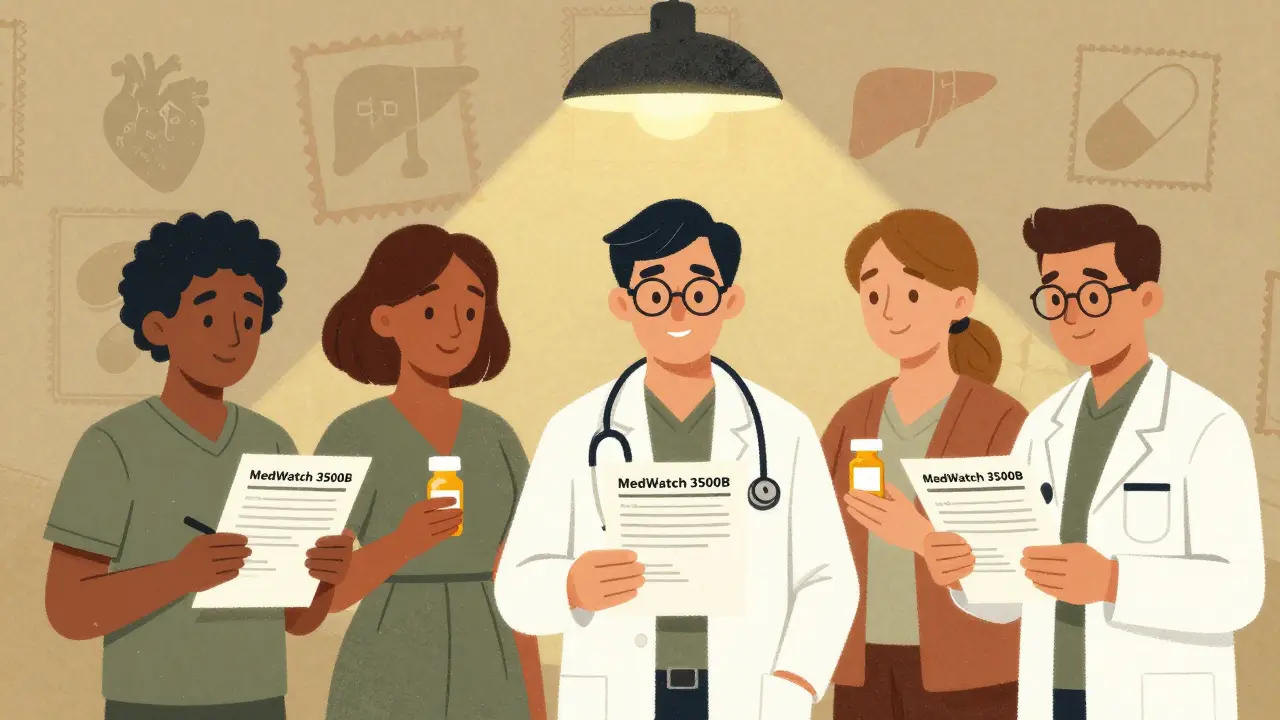
Learn how to report adverse drug reactions to the FDA's MedWatch program. Understand what counts as reportable, how to fill out the form, and why your report matters for drug safety.
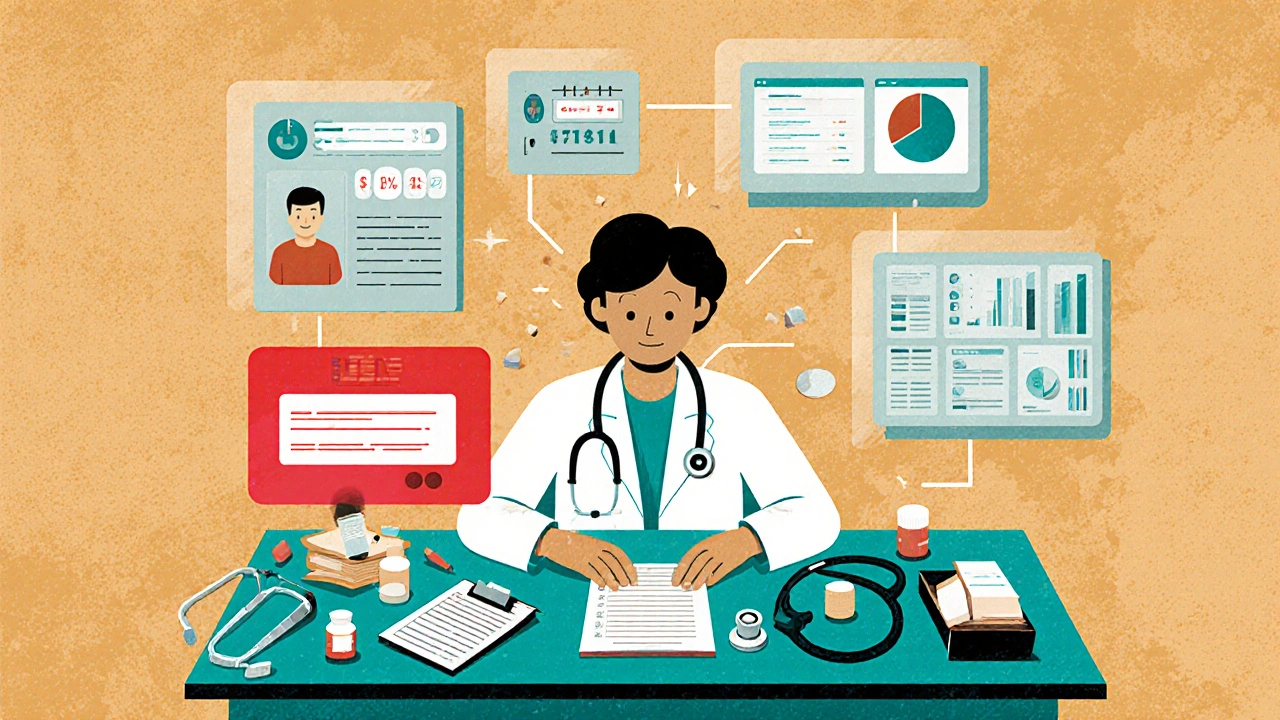
Learn how clinician portals and apps help healthcare providers detect adverse drug reactions in real time. Discover which tools work best for hospitals, clinical trials, and low-resource settings-and how to use them without burnout.
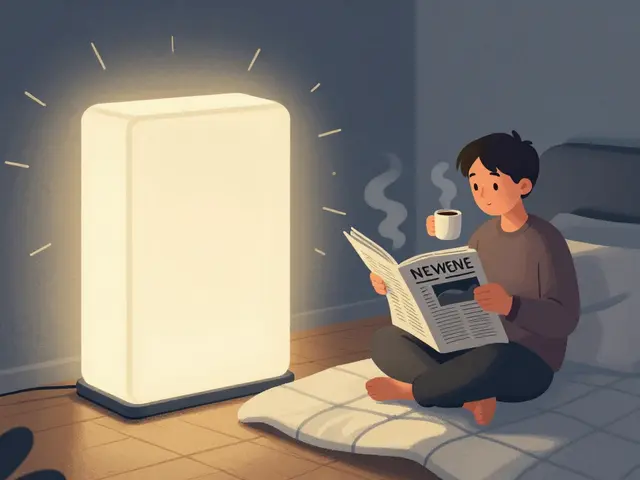
Seasonal affective disorder causes winter depression with fatigue, low mood, and cravings. Bright light therapy is a proven, drug-free treatment that resets your body clock and lifts mood in just days.
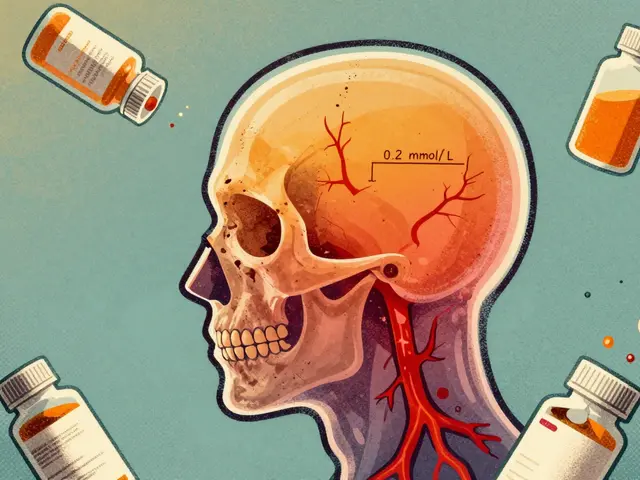
Lithium carbonate generics require careful serum level monitoring due to their narrow therapeutic index. Switching brands can alter blood levels, risking toxicity or relapse. Learn how formulation differences, dosing timing, and kidney function affect safety and effectiveness.
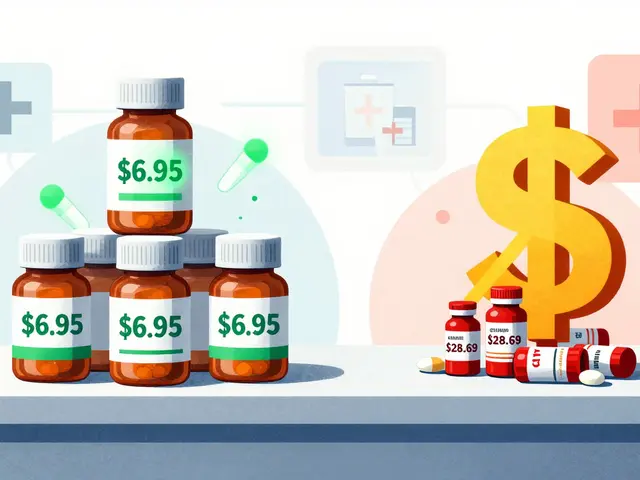
Generic drugs save Americans over $445 billion annually, making up 90% of prescriptions but only 12% of drug spending. Learn the real numbers behind generic vs. brand-name drug costs and how to save on prescriptions.
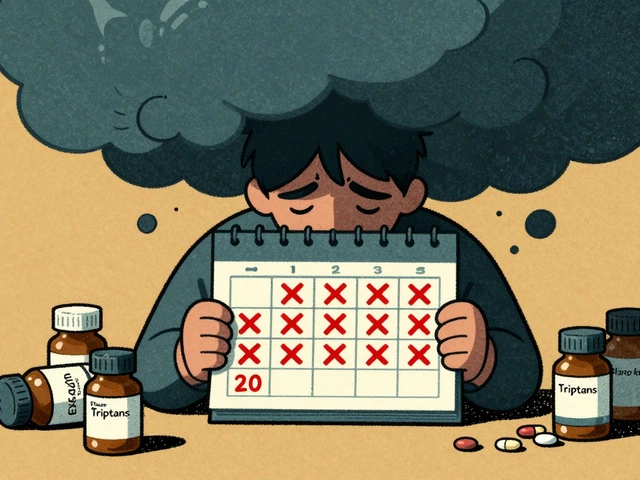
Medication overuse headaches are a hidden cause of chronic pain, triggered by too-frequent use of common painkillers. Learn how to identify them, safely stop the cycle, and find lasting relief with proven treatments.

Navigating premature ejaculation in 2025 offers more options than ever before. This article explores eight alternatives to Priligy, highlighting the pros and cons of each. From psychotherapy to natural remedies, find out what might work best for you. Our insights include practical tips and interesting facts, aiming to support your journey toward better sexual health.