
Got pimples but hate the sting of traditional gels? You’re not alone. Many people look for milder or more natural ways to clear their skin without the burning feeling. Below we break down why you might want to try a different approach and list the top alternatives you can find at a drugstore or online.
Classic acne spot treatments often contain benzoyl peroxide or high‑strength salicylic acid. They’re powerful, but they can dry out skin, cause redness, or irritate sensitive faces. If you’ve experienced any of those side effects, an alternative might give you the same results with less hassle. Some users also prefer products that don’t smell like a chemistry lab or that are labeled “natural.” Switching can also help if your skin has built up tolerance—meaning the original product stops working as well.
1. Azelaic Acid (10‑15%) – This ingredient fights bacteria, reduces inflammation, and fades post‑acne marks. It’s gentler than benzoyl peroxide and works well for both acne and rosacea. Start with a thin layer once a day and increase to twice if your skin handles it.
2. Tea Tree Oil – A classic natural remedy. The oil’s antimicrobial properties target the bacteria that cause pimples. Use a 5% diluted solution or a pre‑mixed gel to avoid irritation. Apply only on active spots and keep the rest of your face oil‑free.
3. Niacinamide (Vitamin B3) – Found in many serums, niacinamide reduces redness and regulates oil production. It’s non‑drying and works well under moisturizers or sunscreen. A 4% concentration is a good everyday dose.
4. Sulfur Masks – Sulfur absorbs excess oil and has antibacterial effects. A short, weekly mask can calm breakout‑prone skin without the harshness of strong acids. Rinse off after 10‑15 minutes.
5. Retinoid Alternatives (Differin Gel 0.1% adapalene) – While still a retinoid, adapalene is less irritating than older retinoids. It speeds up cell turnover, keeping pores clear. Use every other night at first, then move to nightly if your skin tolerates it.
When trying a new product, patch‑test on your jawline or behind your ear. Wait 24 hours to see if any redness or itching shows up. This simple step can save you from a full‑face reaction.
Don’t forget the basics: cleanse with a gentle, non‑scrubbing cleanser, moisturize with a lightweight, non‑comedogenic cream, and wear sunscreen every day. Even the best topical alternative can cause sun sensitivity, especially acids and retinoids.
In short, you have plenty of choices beyond the usual benzoyl peroxide gel. Pick one that matches your skin type, start slow, and watch the breakouts fade without the burn. Your face will thank you.
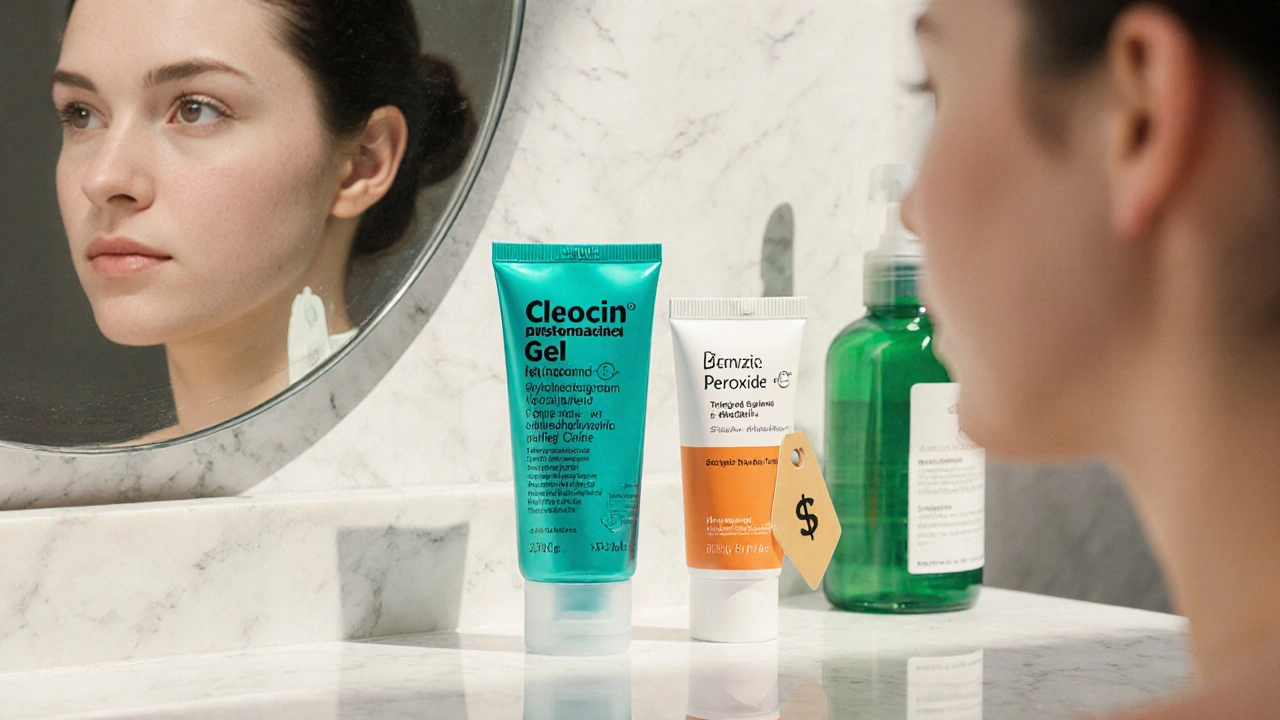
A clear comparison of Cleocin Gel (clindamycin) with other topical acne treatments, covering how they work, price, side effects, and tips for choosing the best option.
Seasonal affective disorder causes winter depression with fatigue, low mood, and cravings. Bright light therapy is a proven, drug-free treatment that resets your body clock and lifts mood in just days.
Learn how to legally and safely order prescription medications through international mail-order in 2026 after major U.S. customs changes. Avoid seizures, scams, and unexpected fees with this practical guide.
Prescription assistance programs from drug manufacturers help millions afford costly medications. Learn how copay cards and PAPs work, who qualifies, what you can save, and the hidden rules that could block your help.
Learn when the FDA grants bioequivalence waivers, skipping costly in-vivo studies. Discover BCS classification rules, cost savings, and practical steps for generic drug developers.
Learn what an FDA boxed warning (black box) really means for your health. We explain the risks, common drugs affected, and how to talk to your doctor about safety.