
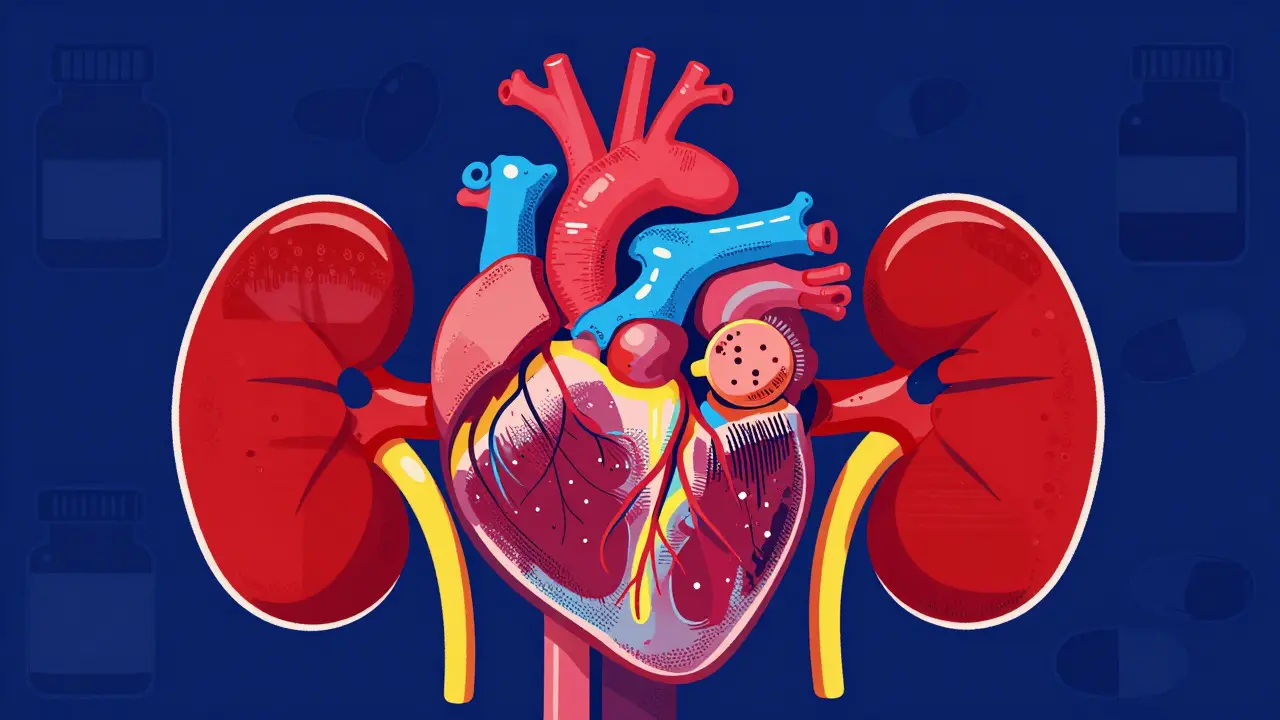
Combining ACE inhibitors and potassium-sparing diuretics increases hyperkalemia risk. Learn how to monitor levels, adjust diet, and use new treatments to stay safe.
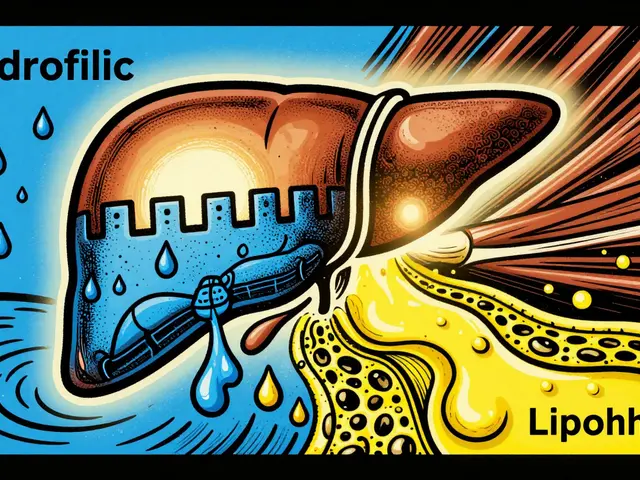
Explore the real differences between hydrophilic and lipophilic statins. Recent data challenges old beliefs about muscle pain, revealing that solubility isn't the only factor in side effects. Learn which type might be right for you.
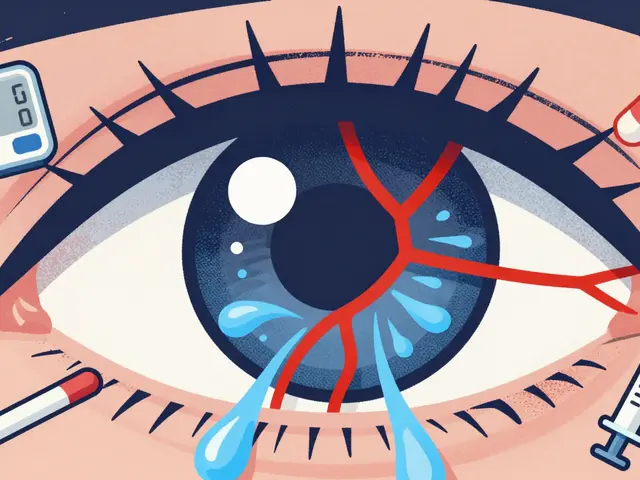
Retinal vein occlusion is a leading cause of sudden vision loss. Learn the key risk factors like high blood pressure and diabetes, and how anti-VEGF and steroid injections help restore vision. Understand treatment realities, costs, and what’s coming next.

Explore how support groups improve life for those with partial onset seizures, covering benefits, types, finding options, and tips for active participation.

The FDA's Purple Book is the official guide to biosimilars and interchangeable biological drugs. Learn how it works, what the difference is between biosimilars and interchangeable products, and how pharmacists use it to make safe substitutions.

Vascular, frontotemporal, and Lewy body dementia are three distinct brain disorders with different causes, symptoms, and treatments. Knowing the difference can prevent dangerous misdiagnoses and improve care.