
If you’ve switched to a plant‑based diet, you already know the benefits—lower cholesterol, more fiber, and a smaller environmental footprint. But many newcomers wonder how to make sure they’re actually absorbing the nutrients they need. The good news is that a few everyday tricks can significantly improve how your body takes in iron, calcium, B12, omega‑3s and protein from plants.
Plants contain plenty of vitamins and minerals, yet some of them are bound to compounds that can block absorption. For example, phytic acid in beans and grains can tie up iron and zinc, while oxalates in spinach may limit calcium uptake. Understanding these interactions helps you plan meals that work with, not against, your gut.
1. Pair Iron‑Rich Foods with Vitamin C. Non‑heme iron from lentils, chickpeas and tofu is less readily absorbed than heme iron from meat. Adding a source of vitamin C—like bell peppers, citrus, or strawberries—right in the same meal can double the amount of iron your body pulls in. A lentil soup topped with a squeeze of lemon is a tasty example.
2. Soak, Sprout, or Ferment Grains and Legumes. Soaking beans for at least 8 hours, sprouting seeds, or fermenting dough breaks down phytic acid. The result is higher bioavailability of iron, zinc and calcium. Try sprouted hummus or fermented buckwheat porridge for a nutrient boost.
3. Choose Calcium‑Rich Plants with Low Oxalates. Kale, bok choy, broccoli and fortified plant milks provide calcium without the oxalate barrier that spinach presents. Pair these veggies with a little healthy fat—like olive oil or avocado—to improve calcium absorption.
4. Include Reliable B12 Sources. Vitamin B12 is not naturally abundant in plants. Fortified foods (nutritional yeast, plant milks, breakfast cereals) or a reliable B12 supplement are the safest ways to meet daily needs. Check the label for cyanocobalamin or methylcobalamin and aim for at least 2.4 µg per day.
5. Get Omega‑3s from ALA and Convert to EPA/DHA. Flaxseeds, chia seeds and walnuts deliver alpha‑linolenic acid (ALA). To help your body turn ALA into the longer‑chain EPA and DHA, include a source of dietary fat and avoid smoking, which can impede conversion. If you’re concerned about the conversion rate, consider an algae‑derived EPA/DHA supplement.
6. Eat Protein Throughout the Day. Plant proteins are often incomplete, missing one or more essential amino acids. By rotating sources—like beans, quinoa, nuts and soy—you’ll cover all the bases. A simple rule: aim for 20‑30 g of protein per meal, spread across 3‑4 meals.
7. Mind Your Gut Health. A healthy gut lining supports nutrient uptake. Include probiotic foods such as sauerkraut, kimchi or a daily serving of a plant‑based yogurt. Prebiotic fibers found in onions, garlic and chicory also feed good bacteria, further aiding absorption.
By applying these straightforward strategies, you can enjoy the full spectrum of nutrients a plant‑based diet offers. Remember, the goal isn’t to complicate meals, but to make small adjustments that pay off in energy, mood and long‑term health.
Ready to test a tip? Add a splash of orange juice to your morning oatmeal topped with almonds and chia seeds. You’ll boost iron absorption, get a dose of calcium and enjoy a tasty start to the day. Keep experimenting and listen to your body—your gut will thank you.
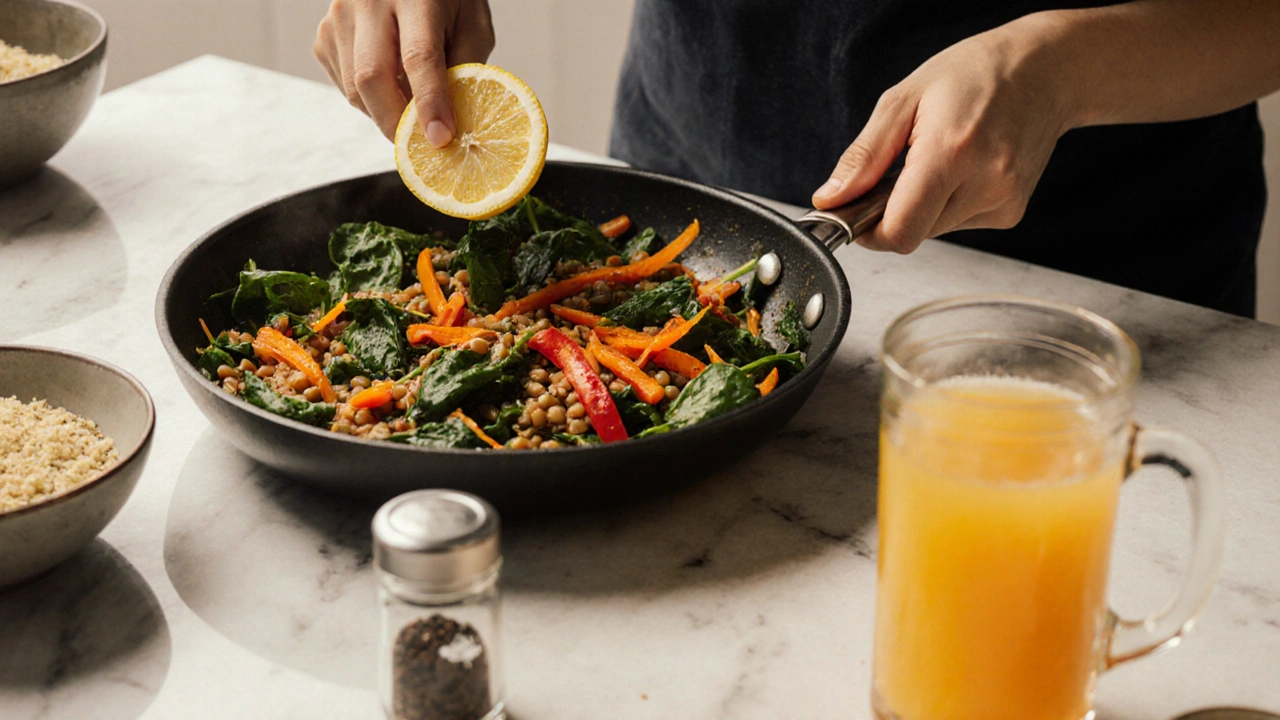
Learn practical ways to boost iron, B12, calcium, vitamin D and zinc absorption on vegetarian and vegan diets with food combos, cooking hacks, and gut‑health tips.
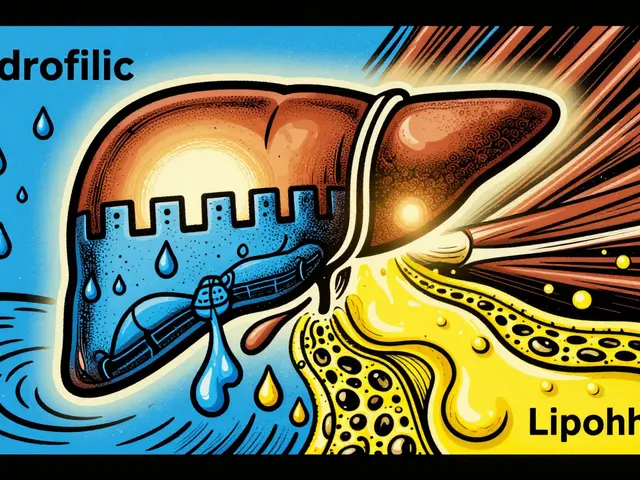
Explore the real differences between hydrophilic and lipophilic statins. Recent data challenges old beliefs about muscle pain, revealing that solubility isn't the only factor in side effects. Learn which type might be right for you.

Learn how to buy Antivert (meclizine) online easily. Compare prices, understand prescription rules, and find the best deals on generic options.

This easy-to-read guide explains in plain language how levetiracetam controls seizures, making it accessible for patients and caregivers. It covers what levetiracetam does in the brain, how it helps people with epilepsy, what side effects to look for, and tips to get the most out of the medication. You'll learn what to expect and get practical advice, plus a helpful resource for understanding how levetiracetam works.
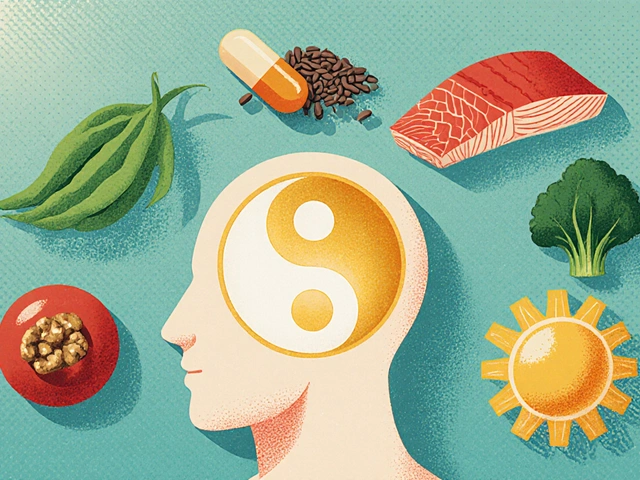
Learn practical diet and nutrition strategies to keep estradiol levels balanced, covering phytoestrogens, omega‑3s, vitamin D, fiber and more.
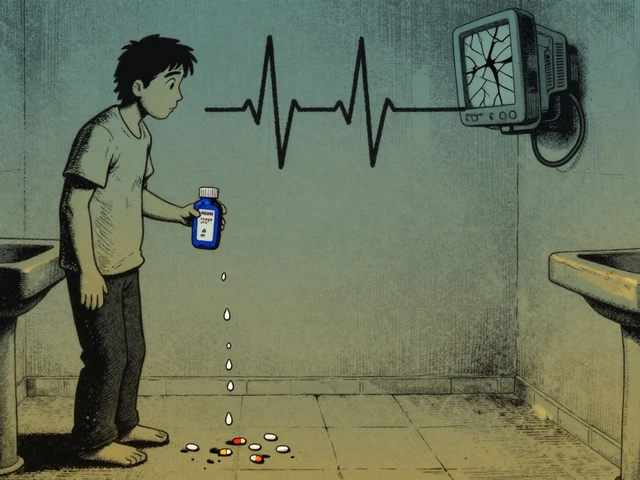
Loperamide, found in OTC antidiarrheals like Imodium, is being misused by people trying to self-treat opioid withdrawal. At high doses, it causes life-threatening heart rhythms and can be fatal. Learn the warning signs and why this isn't just another drug trend.