
When you take a medication, a substance used to treat, cure, or prevent disease. Also known as drug, it doesn't just work because it's in your body—it works because it's in your body at the right time. Many people pop pills with coffee, before bed, or whenever they remember. But that’s not how most drugs are meant to be taken. The difference between taking a pill at 8 a.m. versus 8 p.m. isn’t just convenience—it can mean the difference between relief and side effects, or even between the drug working or not working at all.
Dosing times, the specific hours recommended for taking a medication. Also known as schedule, it’s based on how your body absorbs, processes, and eliminates the drug. For example, some medications like statins work better at night because your liver produces most cholesterol while you sleep. Others, like corticosteroids, are taken in the morning to match your body’s natural cortisol rhythm and reduce side effects like insomnia. Then there are drugs that must be taken on an empty stomach—like levothyroxine—because food can block absorption. And some, like ibuprofen, are easier on your stomach if you take them with food. These aren’t suggestions. They’re science-backed rules.
Drug interactions, how one medication affects another when taken together. Also known as pharmacological interactions, they’re heavily influenced by timing. If you take an antibiotic with dairy, the calcium can bind to it and stop it from working. If you take blood pressure meds at night instead of morning, some studies show better control of nighttime blood pressure spikes. Even caffeine can interfere with certain stimulants or thyroid meds if taken too close together. The timing isn’t arbitrary—it’s engineered to maximize benefit and minimize harm.
You’ll find posts here that dig into real-world examples: how timing affects erectile dysfunction drugs like tadalafil or avanafil, why metoclopramide needs to be taken before meals, how cyclosporine levels change based on when you take it, and why some diabetes meds must be timed with meals to avoid lows. These aren’t theoretical discussions—they’re based on clinical data, patient reports, and how doctors actually use these drugs in practice.
Some people think, "I took it yesterday at lunch and felt fine, so it’s fine." But consistency matters more than occasional luck. Missing a dose by a few hours can throw off your whole treatment. Taking a pill too early or too late can reduce its effect—or make side effects worse. This isn’t about being perfect. It’s about understanding why timing exists, so you can make smart choices when life gets busy.
Below, you’ll find detailed comparisons and real-life guides on how specific drugs behave at different times of day. Whether you’re managing high blood pressure, diabetes, thyroid issues, or even sexual health, the right timing can make your treatment work better, feel safer, and fit your life more easily. No guesswork. Just clear, practical info—based on what actually happens in the body, not just what’s printed on the label.

Fiber supplements like psyllium help with constipation but can interfere with medications. Learn the safest timing rules to avoid reduced drug effectiveness and side effects.
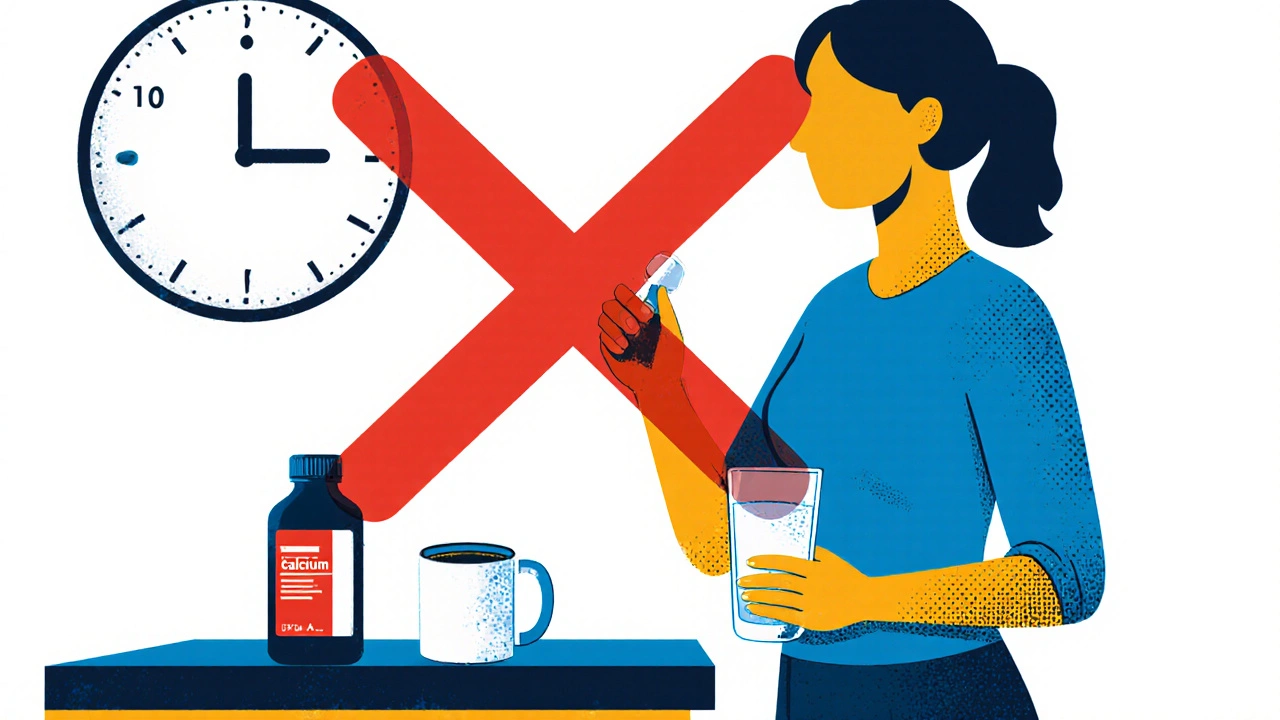
Learn how to take calcium supplements and bisphosphonates correctly to avoid absorption problems. Follow exact timing rules to maximize osteoporosis treatment and prevent fractures.

A practical guide comparing Modvigil (modafinil) with armodafinil, adrafinil, Provigil and caffeine‑L‑theanine, covering cost, duration, safety and best use cases.

Learn how to safely buy Carbamazepine online in 2026. Compare telehealth services, trusted online pharmacies, and pricing tips for generic vs. brand name options.

Steroid myopathy causes painless, progressive muscle weakness in people on long-term corticosteroids. Learn how to recognize early signs, avoid misdiagnosis, and start safe, effective physical therapy to regain strength.
Discover how to buy online cheap generic Bactrim. Learn pricing tips, telehealth options, and safety checks to save money on sulfamethoxazole/trimethoprim.
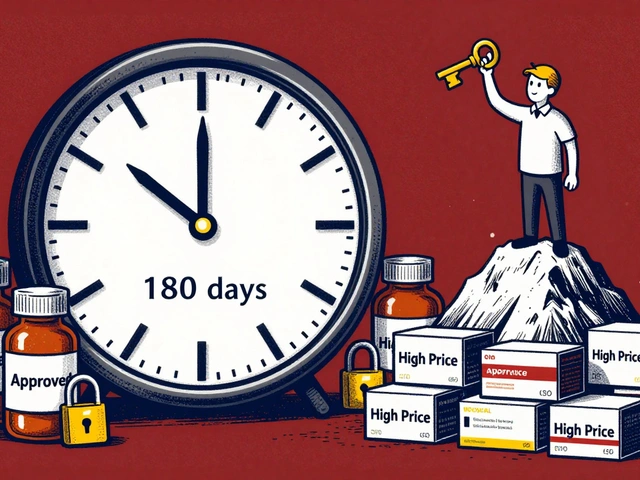
The 180-day exclusivity rule under the Hatch-Waxman Act was meant to speed up generic drug entry-but now it often delays it. Learn how patent challenges, FDA rules, and corporate strategy keep prices high and patients waiting.