
When you hear the word "HIV," you probably picture pills, clinic visits, and a lot of medical jargon. But the story behind those pills is a road of trial, error, and breakthrough. Knowing the HIV treatment timeline helps you see why today’s options are safer, simpler, and more effective than anything that came before.
In the early 80s, HIV was a mystery and death was common. The first drug, azidothymidine (AZT), hit the market in 1987. It was a single, high‑dose tablet that slowed the virus but came with nasty side effects. Still, it proved a point: we could hit HIV with medicine.
After AZT, doctors tried other single drugs, but the virus quickly learned to dodge them. By the mid‑90s, researchers discovered that using two or three drugs together—called combination antiretroviral therapy (cART) or HAART—kept the virus in check much better. This shift dropped death rates dramatically and turned HIV from a death sentence into a manageable condition.
Key drugs in this era included protease inhibitors (like indinavir) and nucleoside reverse transcriptase inhibitors (NRTIs) such as lamivudine. The regimen was often chunky: three to four pills taken several times a day, with strict timing and food rules. People had to plan meals around their meds, and side effects like lipodystrophy (fat redistribution) were common.
Fast forward to the 2000s and beyond. New drug classes—integrase strand transfer inhibitors (INSTIs) and entry inhibitors—joined the toolbox. These drugs are potent, have fewer side effects, and let patients take once‑daily single‑tablet regimens. Brands like Biktarvy and Triumeq combine three agents in one pill, making life a lot easier.
Today's timeline includes long‑acting injectable options, such as cabotegravir plus rilpivirine, which you get every one or two months. For people who struggle with daily pills, this is a game‑changer. Researchers are also testing implants and weekly oral combos that could further shrink the treatment burden.
What does this mean for you or a loved one? First, the odds of staying healthy on modern therapy are very high if you stick to the plan. Second, side effects are far less severe, so quality of life improves. Finally, the future looks promising: scientists are working on a functional cure and vaccines that could one day end the need for lifelong meds.Understanding the HIV treatment timeline lets you appreciate how far we’ve come and why staying informed matters. Whether you’re starting therapy, switching regimens, or just curious, keep an eye on new research—each milestone builds on the last, bringing us closer to a world where HIV is no longer a chronic burden.

Trace the journey of HIV from its 1980s discovery to today’s advanced antiretroviral treatments, highlighting key milestones, scientists, and breakthroughs.

Seasonal affective disorder causes winter depression with fatigue, low mood, and cravings. Bright light therapy is a proven, drug-free treatment that resets your body clock and lifts mood in just days.

Learn the daily foot inspection checklist proven to prevent diabetic foot ulcers and avoid amputation. Follow evidence-based steps for washing, inspecting, moisturizing, and choosing safe footwear every day.

What androstenedione does, what studies show, real risks, and 2025 legal status. Clear, science-based guide with safer alternatives and a quick checklist.

This article dives into exploring norxshop.com, an online pharmacy that offers medications at competitive prices. It includes insider information on active promo codes, customer experiences, and usability insights. Whether you're new to online pharmacies or a seasoned pro, you'll find practical tips on leveraging discounts and a thorough review of their services. Notably, the article addresses the site relocation to a new domain.
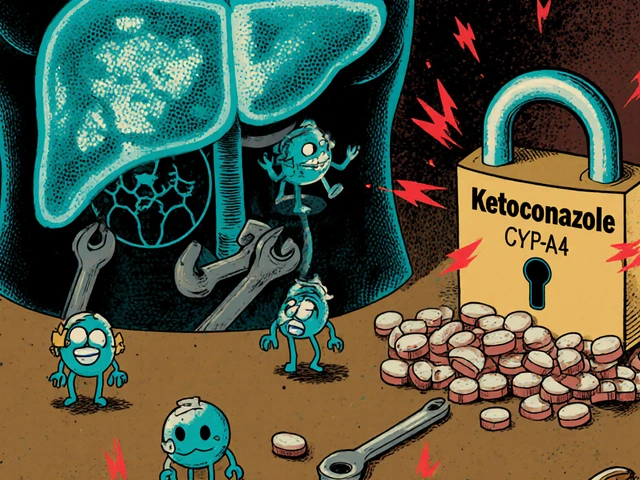
Drug-drug interactions can cause serious harm when medications clash in your body. Learn how liver enzymes, transporters, and genetics affect drug safety, and what you can do to avoid dangerous combinations.