
Did you know the first cases of AIDS were recorded before the disease even had a name? In the early 1980s doctors started seeing young men with rare lung infections and cancers. Those puzzling symptoms turned out to be the first clues of a new, invisible enemy.
At first the outbreak looked like a mystery thriller. Hospitals in Los Angeles and New York reported clusters of Kaposi's sarcoma, a skin cancer almost never seen in healthy adults. Researchers quickly realized they were dealing with something that weakened the immune system. By 1983 the CDC named the condition "Acquired Immune Deficiency Syndrome" (AIDS), but they still didn’t know what caused it.
The breakthrough came in 1984 when French scientists isolated a virus in a patient’s lymph node. They called it LAV, and a few months later American labs named it HTLV‑III. It was later unified under the name HIV – Human Immunodeficiency Virus. Knowing the culprit allowed scientists to develop blood tests, which cut transmission through transfusions dramatically.
Governments reacted at different speeds. Some countries launched public education campaigns and needle‑exchange programs within a year. Others took longer, letting the virus spread unchecked. By the mid‑1990s the World Health Organization declared HIV a global emergency and pushed for affordable treatment in low‑income regions.
The first approved drug, AZT, hit the market in 1987. It slowed the virus but caused severe side effects. The real game‑changer arrived in 1996 with combination therapy – a cocktail of three drugs taken together. This "highly active antiretroviral therapy" (HAART) turned HIV from a death sentence into a chronic condition for many people.
Since then, newer drugs have become smaller, safer, and easier to take. Today a single pill can keep the virus suppressed for life. Researchers are also testing long‑acting injectables that work for weeks or months, and the ultimate goal remains a cure or vaccine.Beyond medicine, HIV history reshaped how we think about public health. It taught the world the power of community activism, the need for rapid testing, and the importance of fighting stigma. Those lessons are being applied to newer threats like COVID‑19 and future pandemics.
Looking back, the story of HIV is a mix of tragedy, scientific bravery, and social change. Understanding that history helps us appreciate why early testing, open conversation, and easy access to medication are still vital today.
If you want to dig deeper, explore the timeline of major milestones, check out survivor stories, or learn how you can support ongoing research. The fight isn’t over, but the progress made over the past four decades shows just how far we can go when science, policy, and people work together.
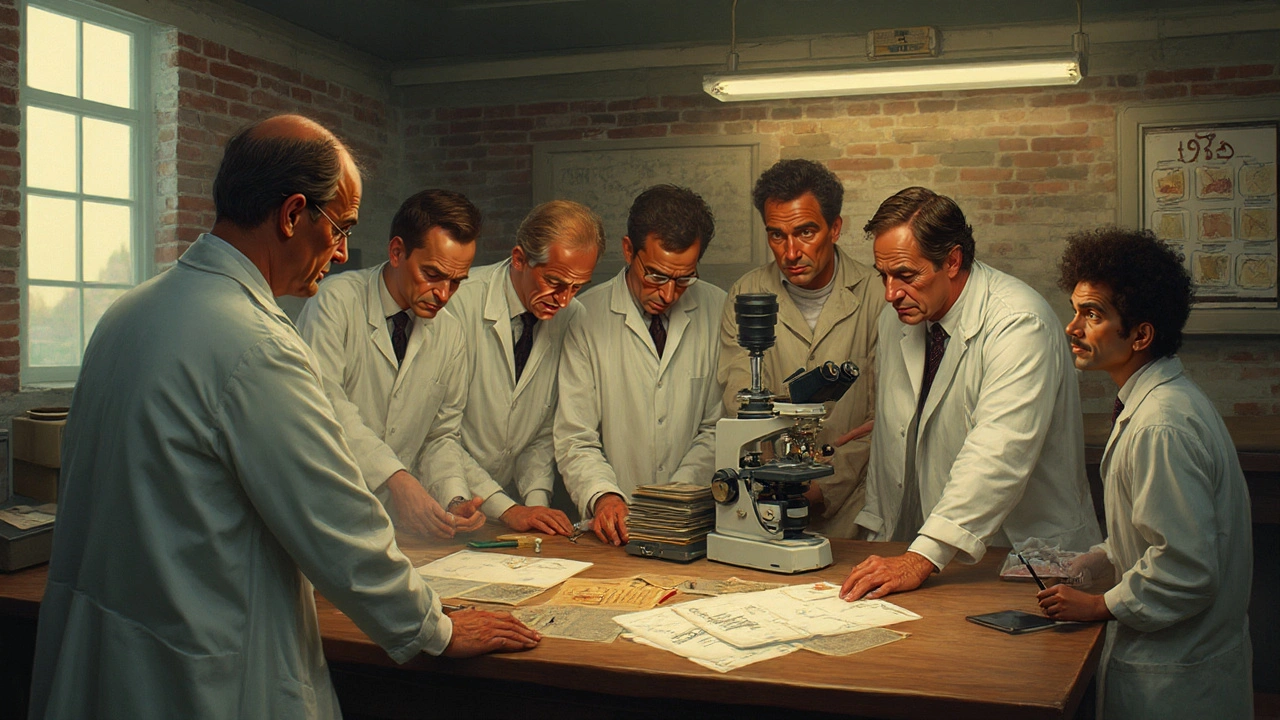
Trace the journey of HIV from its 1980s discovery to today’s advanced antiretroviral treatments, highlighting key milestones, scientists, and breakthroughs.
Kombucha contains trace alcohol that can interact dangerously with medications like metronidazole, SSRIs, and diabetes drugs. Learn what levels are safe, how to spot risky products, and what to do if you're on alcohol-sensitive meds.
Learn how to stay informed about FDA drug recalls and safety alerts. Get practical steps to sign up for alerts, report side effects, and protect yourself from dangerous medications.
Medicare Part D saves billions by prioritizing generics. This article explains how formulary tiers, recent laws, and plan choices impact prescription costs. Learn real-world savings examples and practical steps to maximize benefits.
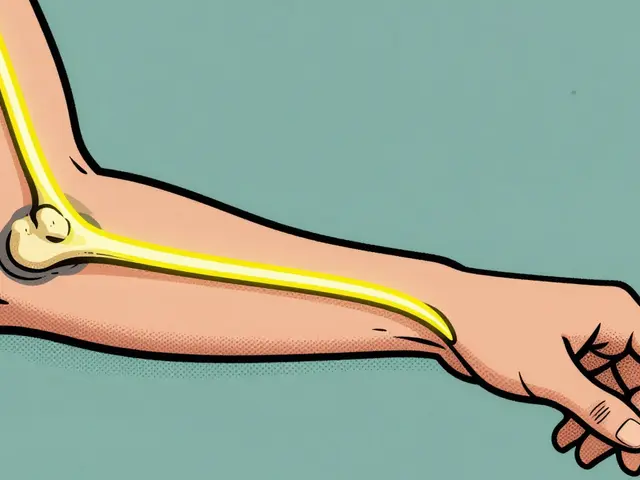
Learn about ulnar neuropathy, its causes like cubital tunnel syndrome, and effective therapies from bracing to surgery. Understand symptoms and prevention strategies.
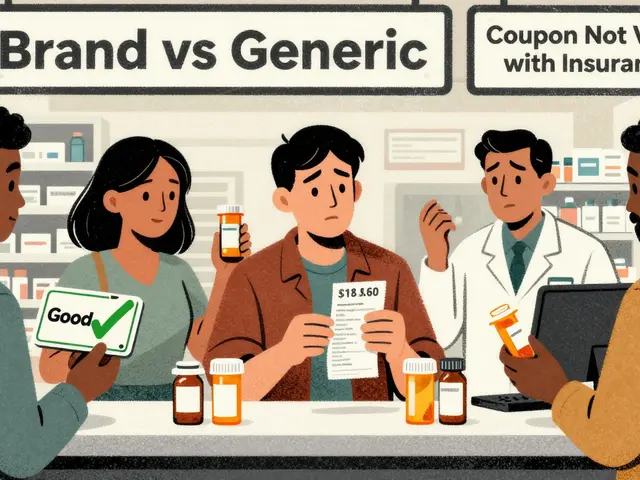
Prescription discount programs like GoodRx and manufacturer coupons can slash medication costs - but only if you use them right. Learn who saves the most, when they backfire, and how to avoid costly mistakes.