
Heat illness happens when your body gets overheated and can't cool down properly. This can happen during hot weather or intense physical activity, especially if you don't drink enough water or take breaks. It's more common than you might think and can affect anyone, but certain people, like older adults, kids, and those with health conditions, are at higher risk.
Recognizing the early signs of heat illness is super important. If you start feeling dizzy, weak, sweaty, or have a headache and muscle cramps, those are clear red flags. Heat exhaustion is the stage before things get worse and can turn into heat stroke—a life-threatening emergency. Heat stroke symptoms include confusion, rapid heartbeat, no sweating despite the heat, and even passing out. If you see someone showing these signs, call for medical help immediately.
Staying safe doesn't have to be complicated. Keep these easy habits in mind when the temperature rises. First, drink plenty of water throughout the day, even if you don’t feel thirsty. Avoid alcohol and caffeine since they can dehydrate you. Try to schedule outdoor activities during cooler parts of the day like early morning or evening.
Wearing lightweight, loose clothing and a hat can help your body stay cool. Take regular breaks in the shade or inside air conditioning when you can. If you are working or exercising outside, go slow and listen to your body—if you start feeling off, stop and rest immediately.
If you or someone else shows symptoms of heat exhaustion, move to a cooler place right away. Drink water or an electrolyte drink slowly, and remove any tight clothing. Using cool, wet cloths on the skin or a fan can help lower body temperature. Avoid giving cold drinks or ice directly if the person is confused or vomiting—they might choke.
For heat stroke, this is an emergency—call 911 immediately. While waiting for help, try to cool the person down with whatever is available: shade, cool water, fans, or ice packs on the armpits and neck if possible. Never leave a heat stroke victim alone.
Handling heat illness with quick action saves lives. Taking simple precautions during hot days can make all the difference. Remember, keeping your body cool and hydrated is your best defense against heat-related problems.

Sunburn and heatstroke often strike during hot days but are not the same thing. This article spotlights key differences, how to recognize early warning signs, and real-life ways to treat each condition if you or someone else gets hit. It covers prevention tips, real facts, and the science behind both sunburn and heatstroke. Whether you're sunbathing, working outdoors, or just enjoying a sunny weekend, you'll find clear guidance to keep yourself safe. Read on to know what to do if the summer heat gets the better of you.
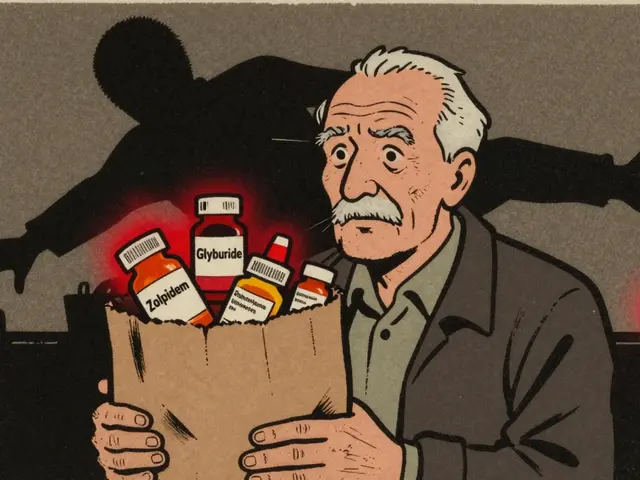
Many common medications are dangerously risky for seniors. Learn which drugs increase fall risk, dementia, and hospitalizations-and what safer alternatives exist. A practical guide based on the 2023 Beers Criteria.
Learn how to differentiate between generic and authorized generic medications to reduce prescription costs. This guide explains insurance formularies, PBM rebates, and specific questions to ask your pharmacist.
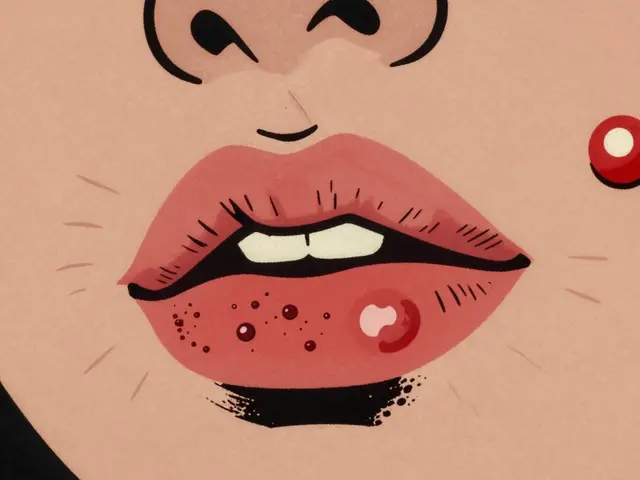
Cold sores and pimples look alike but are caused by completely different things. Learn how to tell them apart, what treatments actually work, and how to avoid making common mistakes that make things worse.
Learn how to safely buy Elavil (amitriptyline) online in 2026. Compare top telehealth platforms like Nurx and RedBox Rx, understand costs, and check safety requirements.
A comprehensive guide for pharmacists on documenting generic drug substitutions, covering state laws, NTI drugs, and electronic record-keeping best practices.