
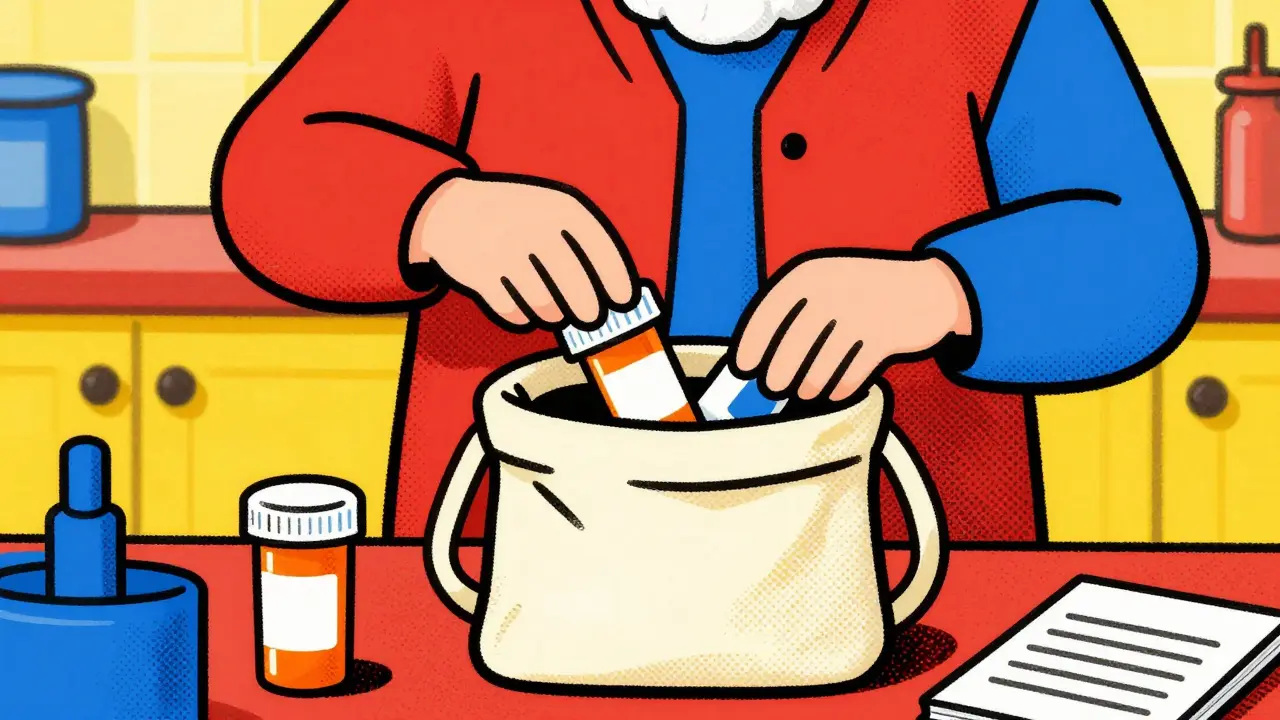
A practical guide for families on preparing for and conducting discussions with medical teams about elderly drug regimens to prevent adverse events.
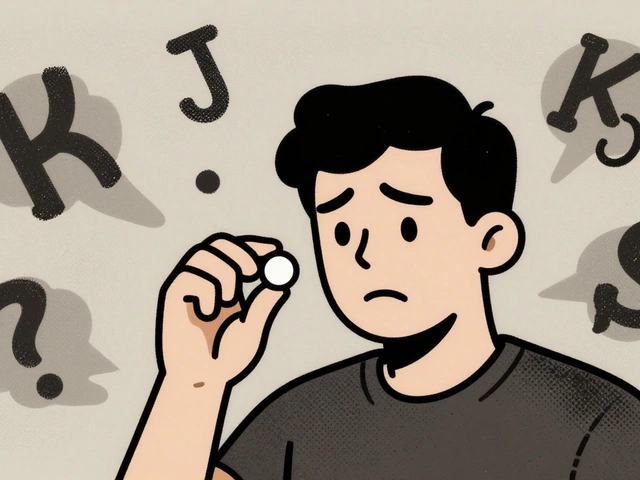
The nocebo effect explains why people feel side effects from medications even when the drug has no active ingredient. Expectations, not chemistry, often drive these reactions - and they're more common than you think.
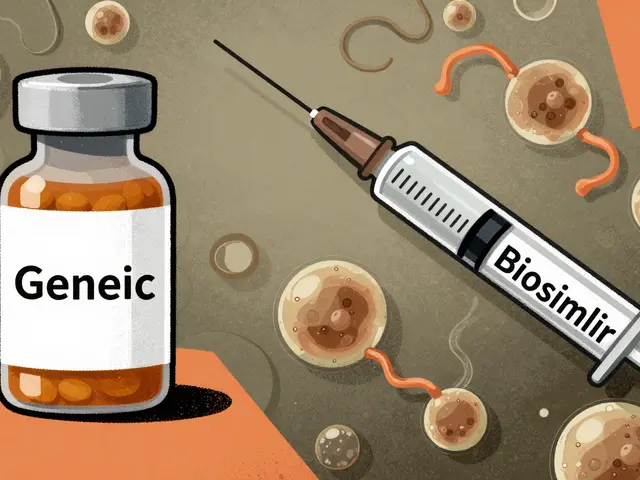
Biosimilars are the closest thing to generics for complex biologic drugs. They're highly similar, FDA-approved, and can save patients up to 60% on costs. Learn how they work, why they're not exact copies, and how to use them safely.
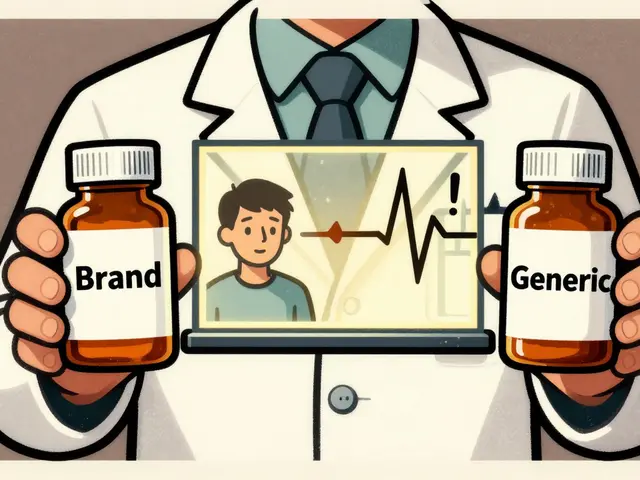
Switching to generic medications can be safe - but for drugs with a narrow therapeutic index, even small changes in absorption can cause serious effects. Learn when dose adjustments are needed and how to protect yourself.

Cold sores and pimples look alike but are caused by completely different things. Learn how to tell them apart, what treatments actually work, and how to avoid making common mistakes that make things worse.

Phenergan is a popular prescription medication that treats allergies, motion sickness, and insomnia. This guide digs deep into how phenergan works, its common (and not-so-common) side effects, and tips for safe use. Whether you’re curious about why it makes you drowsy or wonder if it’s safe for your kids, this article has practical info and real answers. Find out what to watch out for and how to use phenergan responsibly. Get advice that helps you talk with your doctor and avoid common mistakes with this strong antihistamine.