
Ever feel like you’re eating healthy but not getting the benefits? The truth is, how you eat can be just as important as what you eat. Below are straightforward steps you can add to your daily routine to help your body pull more vitamins, minerals, and protein from every bite.
First, think about when you eat certain foods. Fat‑soluble vitamins (A, D, E, K) need a little dietary fat to dissolve, so pairing them with avocado, nuts, or olive oil can double the amount your body uses. For example, drizzle a bit of olive oil over your roasted carrots instead of eating them plain.
Second, watch out for antinutrients that block absorption. Phytates in beans and whole grains can bind minerals like iron and zinc. Soaking beans for a few hours, or fermenting dough, reduces phytates and makes those minerals more available. A quick tip: rinse canned beans in cold water before cooking – it flushes out some of the compounds that hinder absorption.
Third, space out iron‑rich foods from calcium sources. Calcium competes with iron, so eating a spinach salad right after a glass of milk may lessen iron uptake. Instead, have the salad at lunch and the dairy snack later in the day.
Hydration matters. Water helps dissolve nutrients and moves them through your digestive tract. Aim for at least 8 glasses a day, but sip consistently instead of gulping large amounts right before a meal, which can dilute stomach acid and slow digestion.
Chew your food well. The more you break down food in your mouth, the easier enzymes can act later on. A study on healthy adults showed that thorough chewing increased carotenoid absorption from carrots by up to 30%.
Include probiotic foods like yogurt, kefir, or sauerkraut. A healthy gut flora creates enzymes that break down fiber and release hidden nutrients. If you’re not a fan of fermented foods, a daily probiotic capsule can do the trick.
Finally, manage stress. Cortisol spikes can impair the lining of the intestines, making it harder for nutrients to pass through. Simple practices—deep breathing, a short walk, or a 5‑minute stretch—can keep cortisol in check and protect your absorption efficiency.
Putting these tips into action doesn’t require a complete diet overhaul. Start with one change each week: add a dash of healthy fat to your veg, soak beans before cooking, or swap a soda for water during meals. Over time, you’ll notice more steady energy, better skin, and fewer cravings—signs that your body is finally getting what it needs.
Food absorption is a hidden lever for health. By tweaking timing, pairing, and daily habits, you can unlock the full power of the foods you already love.
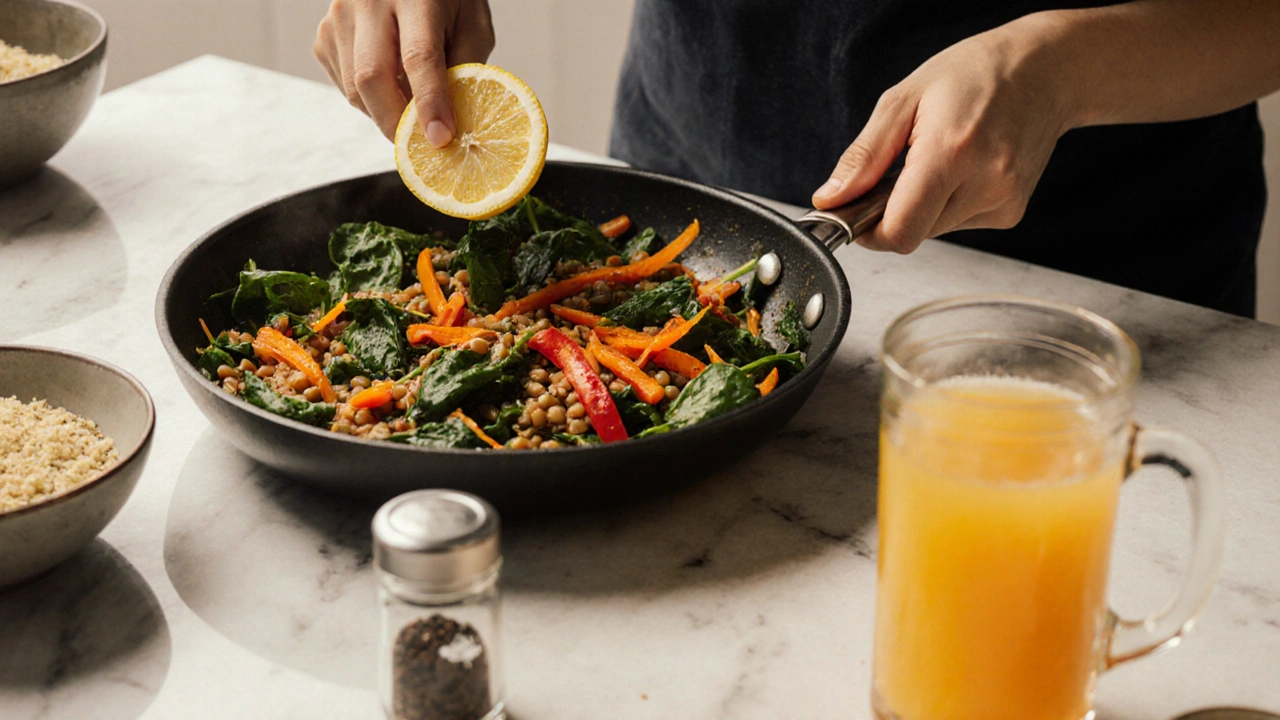
Learn practical ways to boost iron, B12, calcium, vitamin D and zinc absorption on vegetarian and vegan diets with food combos, cooking hacks, and gut‑health tips.
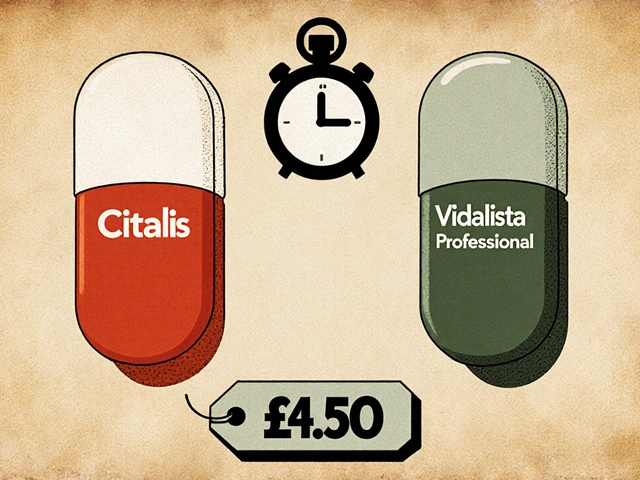
Compare Vidalista Professional with Cialis and other tadalafil generics to find the safest, most cost-effective option for treating erectile dysfunction. Learn what really matters-active ingredients, safety, and where to buy.
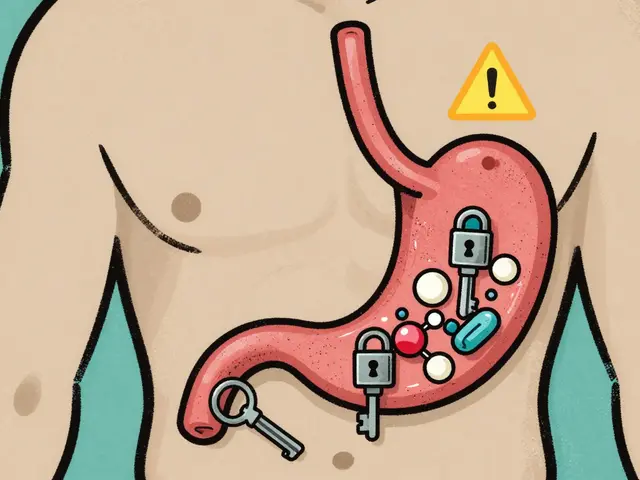
Medicines work through precise chemical interactions in your body. Understanding their mechanism of action helps you use them safely, avoid dangerous interactions, and recognize early warning signs of side effects.
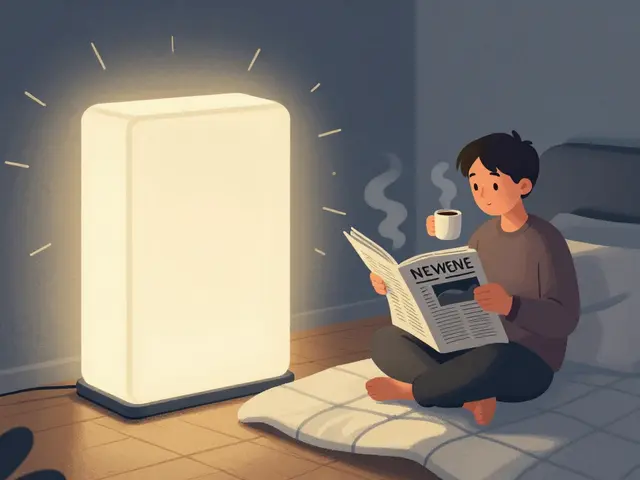
Seasonal affective disorder causes winter depression with fatigue, low mood, and cravings. Bright light therapy is a proven, drug-free treatment that resets your body clock and lifts mood in just days.

A practical guide comparing Modvigil (modafinil) with armodafinil, adrafinil, Provigil and caffeine‑L‑theanine, covering cost, duration, safety and best use cases.

Explore canadian-medshop-247.com—how it works, if it's safe, real tips on online prescriptions, and ways to save money on your medication orders.