
Duloxetine is a common medication often prescribed to treat depression, anxiety, and certain types of chronic pain like nerve or muscle pain. If you’ve ever been curious about how it works or what to expect when taking Duloxetine, this guide breaks it down in straightforward terms.
Basically, Duloxetine is part of a group of drugs called selective serotonin and norepinephrine reuptake inhibitors (SNRIs). That’s a mouthful, but what it does is help balance two chemicals in your brain—serotonin and norepinephrine—that affect mood and pain signals. This balancing act can lift your mood, ease anxiety, and reduce some types of pain.
For depression and anxiety, Duloxetine helps improve emotional balance by boosting neurotransmitters that might be low. People often notice a mood lift after a few weeks, but it’s important to keep taking it as prescribed to get the full effect. For chronic pain, Duloxetine changes how your brain processes pain signals, which can make discomfort feel less intense.
It’s not just a quick fix. Duloxetine usually requires several weeks for you to feel the benefits, and stopping it suddenly isn’t a good idea because it can cause withdrawal symptoms. Always talk with your doctor about how to start or stop this medication safely.
Like any medication, Duloxetine has side effects. Some common ones are nausea, dry mouth, tiredness, or dizziness, especially when you first start. These often fade after a short time, but if they don’t, or if you feel unusually depressed or have thoughts about hurting yourself, let your healthcare provider know immediately.
Taking Duloxetine with food can help reduce stomach upset. Also, avoid alcohol, as it can increase some side effects or make your condition worse. If you’re on other medicines, check with your doctor or pharmacist to avoid any bad interactions.
Remember, Duloxetine isn’t right for everyone. People with certain liver problems, glaucoma, or who are pregnant should discuss risks with their doctor before starting it. And if you ever feel unsure about the medication or your symptoms, don’t hesitate to reach out to a health professional for guidance.
In short, Duloxetine can be a helpful tool for managing mood disorders and chronic pain when used properly. Knowing what it does and watching out for side effects can make your experience safer and more effective. Always keep open communication with your healthcare team to get the best results.
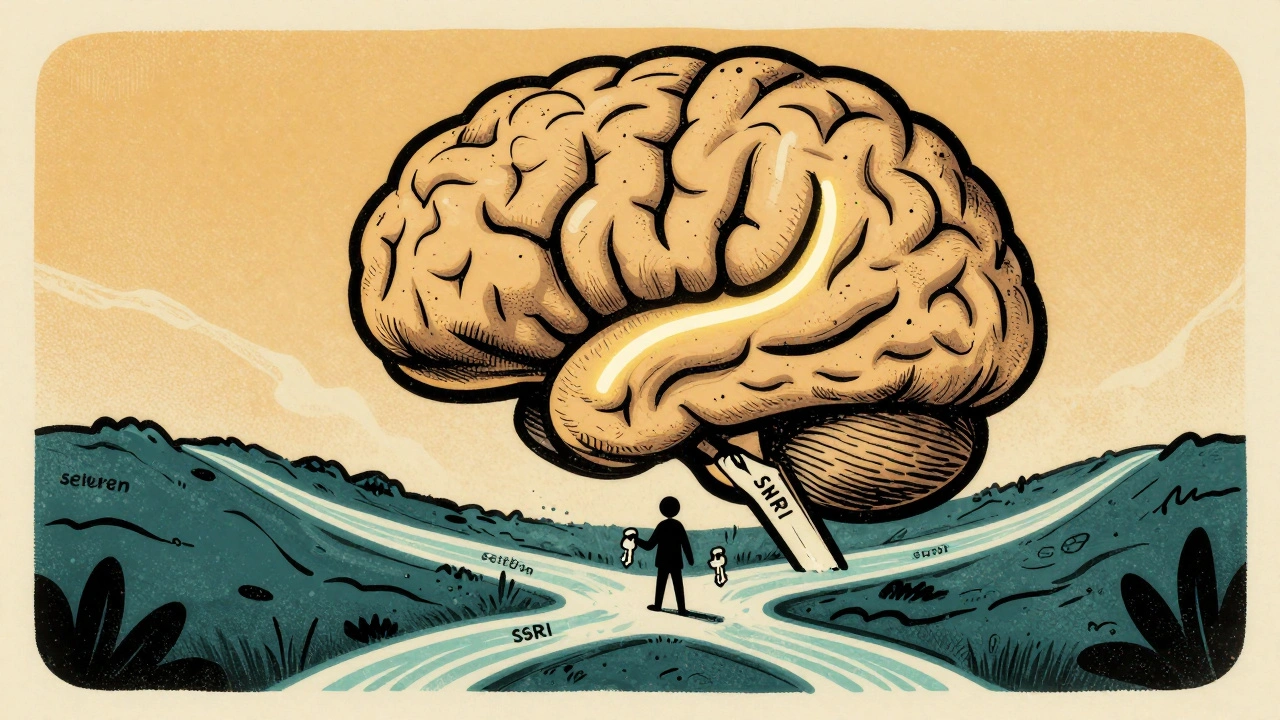
SNRI medications offer a dual-action approach to treating depression and chronic pain by boosting serotonin and norepinephrine. Learn how they compare to SSRIs, their real-world effectiveness, side effects, and why they're a key option for treatment-resistant cases.

Explore how medication helps manage fibromyalgia pain, the main drug classes, their benefits, side effects, and tips for choosing the right regimen.

Learn how warfarin interacts with kidney disease, dosing tips, risks, and alternatives to keep you safe and in control of your anticoagulation.
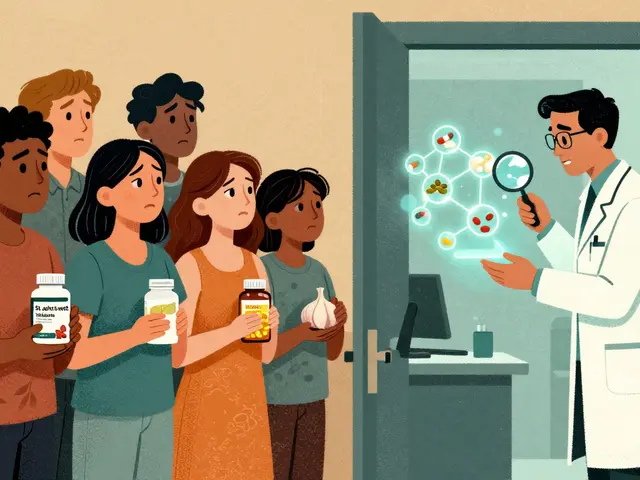
Most people don't tell their doctors about dietary supplements-even though they can interact dangerously with medications. Learn why full disclosure matters, which supplements are riskiest, and how to talk to your care team safely.

Learn how to buy Antivert (meclizine) online easily. Compare prices, understand prescription rules, and find the best deals on generic options.

Get real, practical, and up-to-date information about Exelon (rivastigmine), a medication for Alzheimer's and Parkinson's dementia. Learn how it works inside the brain, what results you can actually expect, best use tips, and advice for dealing with possible side effects. Find out who benefits from Exelon, important safety tips, and some lesser-known facts about living with dementia meds today.
Learn how to differentiate between generic and authorized generic medications to reduce prescription costs. This guide explains insurance formularies, PBM rebates, and specific questions to ask your pharmacist.