
Chlorella is a fresh‑water green algae that’s been turned into a powder or tablet you can add to smoothies, juices, or just swallow with water. People love it for its high protein content, loads of vitamins (especially B‑12 for vegans), and a bunch of antioxidants that help fight free radicals. If you’re looking for a natural boost to energy, immunity, or gut health, chlorella often shows up in the conversation.
First off, chlorella is packed with protein – about 60 % of its dry weight – so it’s a handy way to up your intake without animal products. It also contains chlorophyll, which some users say helps detoxify the blood and improve skin clarity. Studies have found that chlorella can raise levels of certain immune cells, so it may help you fight off colds faster. For athletes, the combination of protein and iron can support better endurance and recovery after a tough workout.
Another draw is its potential to support digestion. Chlorella’s fiber can act as a pre‑biotic, feeding the good bacteria in your gut. A healthier gut often translates to better mood, steadier blood sugar, and less bloating – things many of us appreciate in everyday life.
Typical dosages range from 1 – 3 grams per day, split into two servings if you’re new to it. Start with a small dose (around 500 mg) for a week to see how your body reacts, then gradually increase. Most people tolerate chlorella well, but a few experience mild stomach upset or an allergic reaction, especially if they’re sensitive to iodine.
Because chlorella is a natural source of iodine, anyone with thyroid issues should check with a doctor before adding it to their routine. Also, if you take blood thinners, be cautious – chlorella’s vitamin K can affect clotting.
The quality of the supplement matters a lot. Look for products that are “pure‑cell” or “cracked‑cell” – the latter means the cell wall has been broken, making nutrients easier to absorb. Third‑party testing (like NSF or USP) is a good sign the product is free from heavy metals and contaminants. Avoid chlorella grown in polluted waters, as it can accumulate toxins.
So, how do you choose? Pick a brand that lists the origin of the algae, confirms a broken cell wall, and provides a certificate of analysis. A reasonable price point is usually $20‑$30 for 100 g of powder; if it’s much cheaper, the quality could be questionable.
In practice, you can sprinkle a teaspoon of chlorella powder into your morning smoothie, stir it into a glass of orange juice, or swallow a capsule with water. Consistency is key – give it a few weeks before judging the effects.
Bottom line: chlorella supplement can be a simple, nutrient‑dense addition to a balanced diet, especially if you’re after extra protein, antioxidants, and gut support. Start low, watch for any reactions, and pick a reputable brand. Your body will let you know if it’s a good fit.

Curious about chlorella? Get an evidence-based look at its nutrition, real benefits, safe dosage, side effects, and how to choose a clean, quality supplement.
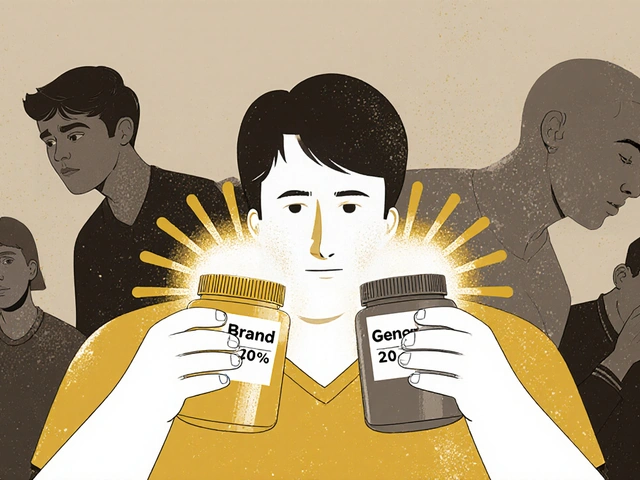
Not all generic medications work the same for everyone. While FDA-approved as bioequivalent, small differences in inactive ingredients and absorption can cause serious reactions in some patients-especially with narrow therapeutic index drugs like levothyroxine and warfarin.
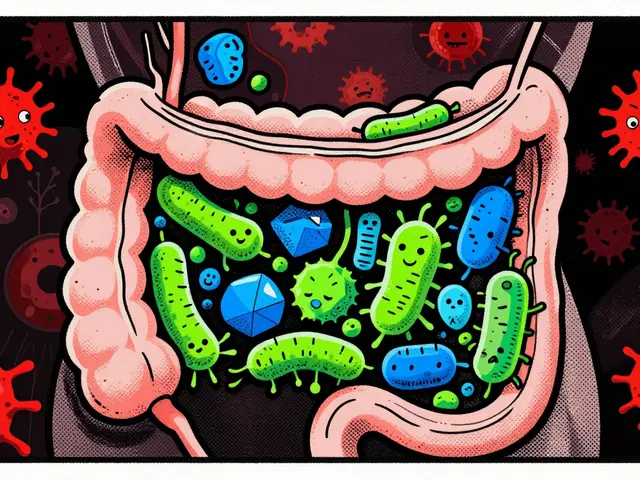
Learn how antibiotics trigger C. diff colitis and why fecal transplants are now the gold standard for recurrent infections. Understand risks, treatments, and prevention strategies.

By 2025, managing pain requires a deeper understanding of available options beyond Diclofenac. The article delves into alternatives such as opioid analgesics and discusses their effectiveness, benefits, and drawbacks. Strong pain relievers like Tramadol and Oxycodone offer relief for severe conditions but come with notable risks. Readers will gain practical insights on making informed choices regarding pain management.

Floaters after cataract surgery are common and usually harmless, but sudden changes can signal serious issues. Learn what’s normal, when to worry, and what to do next.

SNRI medications offer a dual-action approach to treating depression and chronic pain by boosting serotonin and norepinephrine. Learn how they compare to SSRIs, their real-world effectiveness, side effects, and why they're a key option for treatment-resistant cases.