
When you think about calcium supplements, oral products designed to increase calcium intake when diet isn’t enough. Also known as calcium pills, they’re one of the most common health products people take—not because they’re magic, but because most of us don’t get enough from food alone. Your body doesn’t make calcium. You have to get it from what you eat or take as a pill. And if you don’t, your bones start to weaken over time. That’s not just a problem for older people. Even young adults can be low in calcium without realizing it.
Calcium doesn’t work alone. It needs vitamin D, a nutrient that helps your gut absorb calcium from supplements and food to do its job. Without enough vitamin D, those calcium pills might as well be sugar tablets. Then there’s magnesium, a mineral that helps calcium settle into bones instead of building up in arteries or kidneys. Many people take calcium without checking these partners—and end up with side effects like constipation, kidney stones, or even heart risks. It’s not the calcium’s fault. It’s the imbalance.
Who actually needs these supplements? Women after menopause, people over 65, those with osteoporosis, vegans who avoid dairy, and anyone on long-term steroid meds. But not everyone needs them. If you drink fortified plant milk, eat leafy greens, or snack on canned salmon with bones, you might already be getting enough. Taking extra calcium when you don’t need it doesn’t make you stronger. It can actually hurt you.
There’s also the question of form. Calcium carbonate is cheaper and needs food to work. Calcium citrate costs more but works on an empty stomach and is better for people with low stomach acid. And don’t assume more is better. The upper limit for adults is 2,500 mg a day. Go over that, and your risk of kidney stones, heart issues, or interference with other meds like thyroid or antibiotics goes up.
Some of the posts below dig into how calcium interacts with other drugs, what happens when you take it with NSAIDs like mefenamic acid, and how it affects bone density over time. Others compare different brands, dosing schedules, and whether gummies or powders are better than tablets. You’ll find real talk on what works, what’s a waste, and what to avoid if you’re trying to protect your bones without risking your kidneys or heart.
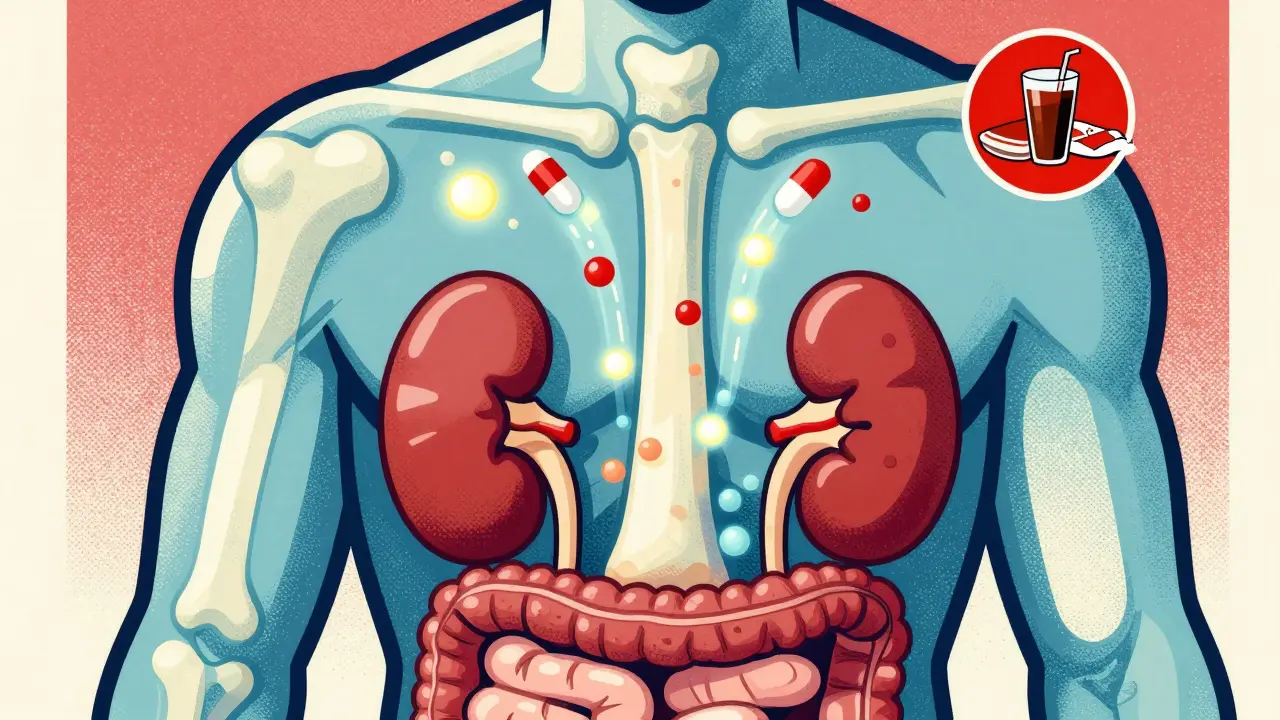
Learn how to manage hypoparathyroidism with calcium and vitamin D, including dosing, diet, monitoring, and when to consider newer PTH therapies. Avoid kidney damage and stabilize your symptoms with proven strategies.
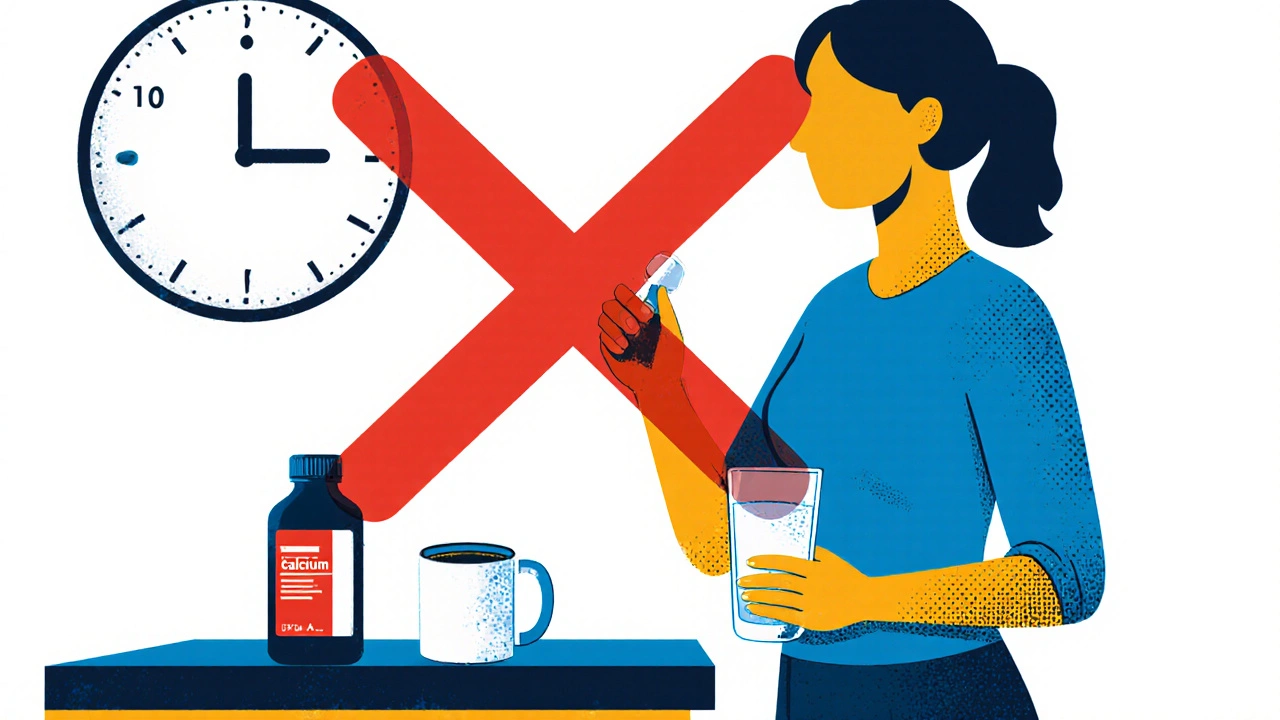
Learn how to take calcium supplements and bisphosphonates correctly to avoid absorption problems. Follow exact timing rules to maximize osteoporosis treatment and prevent fractures.
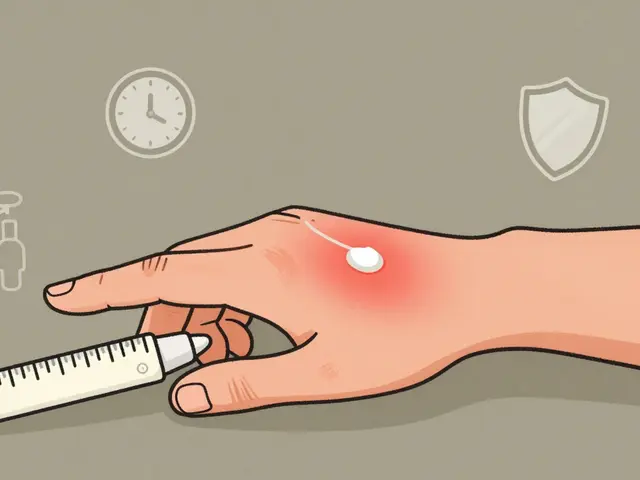
Topical steroids treat eczema and psoriasis effectively but can cause skin thinning if misused. Learn how to use them safely with the right dose, duration, and strength to avoid permanent damage.

Learn how to safely buy cheap generic warfarin online in the UK, compare prices, verify reputable pharmacies, and manage dosage with INR monitoring.
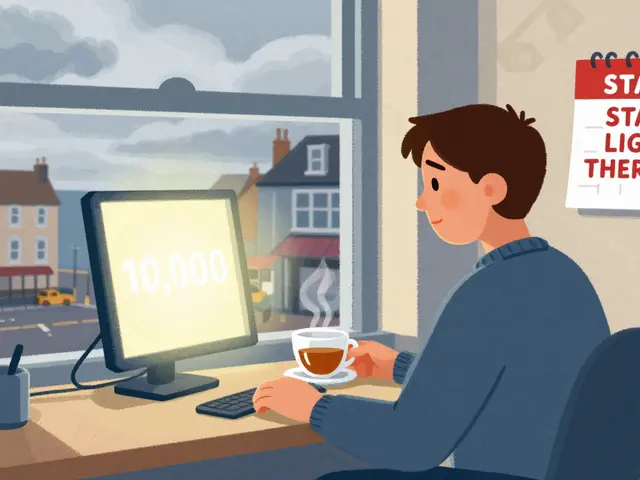
Prevent seasonal depression with light therapy, vitamin D, and a consistent daily routine. Learn how to start early, use the right equipment, and build habits that keep your mood stable all winter.

A side‑by‑side look at Glucovance versus Metformin alone, sulfonylureas, DPP‑4, SGLT2 and GLP‑1 drugs, covering efficacy, safety, cost and when to switch.
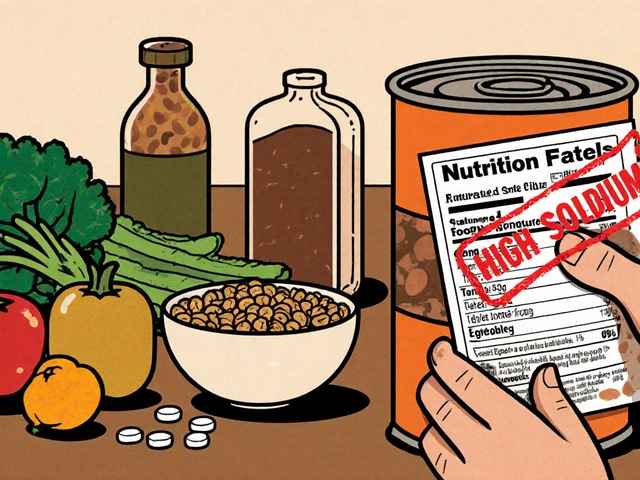
Learn how to manage salt intake while taking ramipril to lower blood pressure, reduce side effects, and protect your heart and kidneys. Practical diet tips, hidden sodium sources, and what to avoid.