
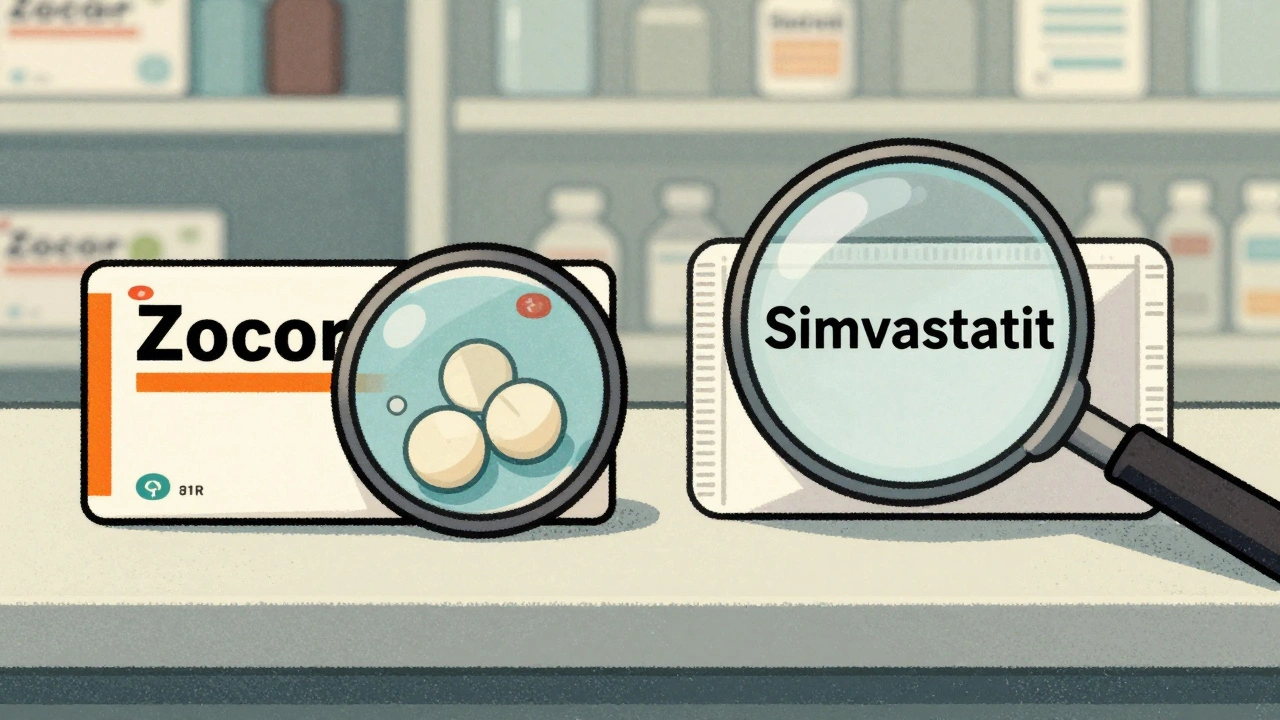
Authorized generics are the exact same drug as the brand-name version, made by the same company, but sold under a generic label. Learn how they work, why they exist, and how to spot them to save money without sacrificing quality.
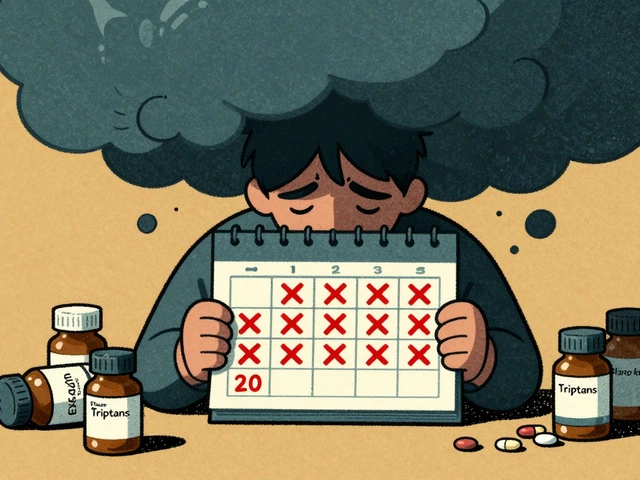
Medication overuse headaches are a hidden cause of chronic pain, triggered by too-frequent use of common painkillers. Learn how to identify them, safely stop the cycle, and find lasting relief with proven treatments.
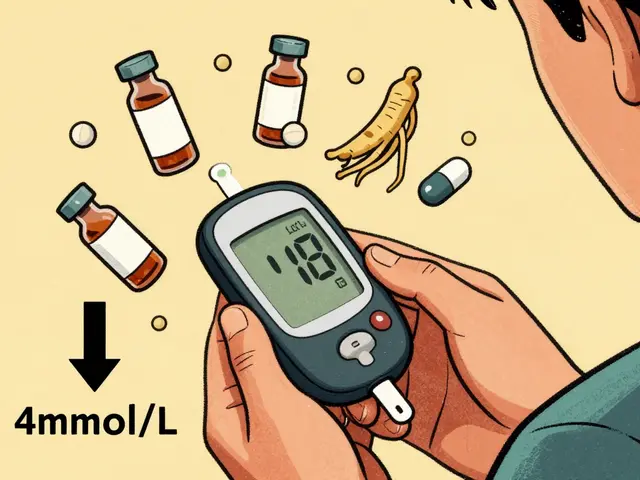
Ginseng may help lower blood sugar in type 2 diabetes, but it can dangerously interact with insulin and oral meds. Learn how to monitor your levels, avoid risks, and use it safely if approved by your doctor.
A detailed side‑by‑side comparison of Neoral (Cyclosporine) with Tacrolimus, Sirolimus, Mycophenolate, and Azathioprine, covering mechanisms, dosing, side effects, cost and monitoring.
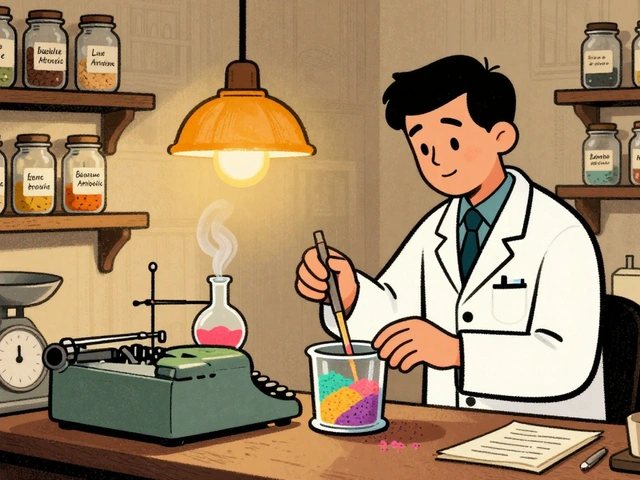
When drugs are unavailable due to shortages or allergies, compounding pharmacies offer customized solutions-like allergen-free pills, flavored liquids for kids, or topical gels. Learn how they work, when to use them, and what to ask before starting.
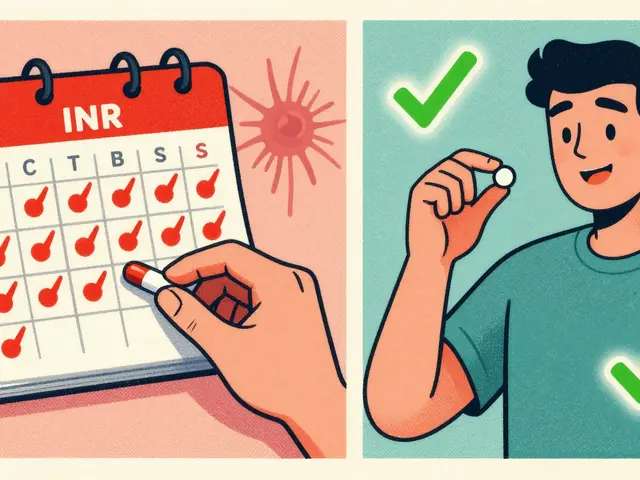
Warfarin and DOACs are both blood thinners used to prevent clots, but DOACs are now preferred for most patients due to better safety, fewer interactions, and no need for regular blood tests. Learn the key differences and what to do in an emergency.