
Antibiotics save lives, but they can also bring unwanted reactions. If you’ve ever felt nausea, a rash, or just wondered why you’re feeling off while taking a prescription, you’re not alone. This guide breaks down the typical side effects, shows you how to ease the discomfort, and tells you when it’s time to call a professional.
Most people experience mild issues such as upset stomach, mild diarrhea, or a temporary taste change. These symptoms usually appear within the first few days and fade once the course ends. Drinking plenty of water, taking the pill with food (unless the label says otherwise), and avoiding alcohol can cut down on the irritation.
Some reactions need a faster response. A sudden rash, swelling of the lips or face, or trouble breathing points to an allergic reaction and requires immediate medical attention. Likewise, severe diarrhea that’s watery or bloody could signal a Clostridioides difficile infection—a serious gut complication that needs prompt treatment.
Allergic reactions happen because the immune system mistakes the drug for a threat. Even if you’ve taken the same antibiotic before without trouble, a new allergy can develop. Keep a note of any previous drug reactions and share it with your doctor before starting a new prescription.
Gastro‑intestinal upset is the most common complaint. Antibiotics can disrupt the natural balance of gut bacteria, leading to nausea, cramping, or loose stools. Probiotic foods like yogurt, kefir, or a supplement taken after the antibiotic can help restore the friendly microbes.
Rare but serious side effects include liver or kidney strain, especially with drugs that are processed heavily by those organs. If you notice yellowing of the skin or eyes, dark urine, or a sudden drop in urine output, contact your healthcare provider right away.
Drug interactions can turn a harmless side effect into a bigger problem. Some antibiotics, such as macrolides, can affect heart rhythm when combined with certain heart medicines. Always list every prescription, over‑the‑counter drug, and supplement you’re taking before a new antibiotic is prescribed.
To keep side effects at bay, follow these practical tips: take the exact dose at the same time each day, finish the full course even if you feel better, and store the medication as instructed (some need refrigeration, others stay at room temperature). Skipping doses or stopping early can lead to treatment failure and antibiotic resistance.
Antibiotic resistance isn’t a side effect you feel on your skin, but it’s a hidden risk when you misuse these drugs. Overuse allows bacteria to adapt and become harder to kill, making future infections tougher to treat. Using antibiotics only when prescribed and following the directions reduces this long‑term danger.
Quick checklist:
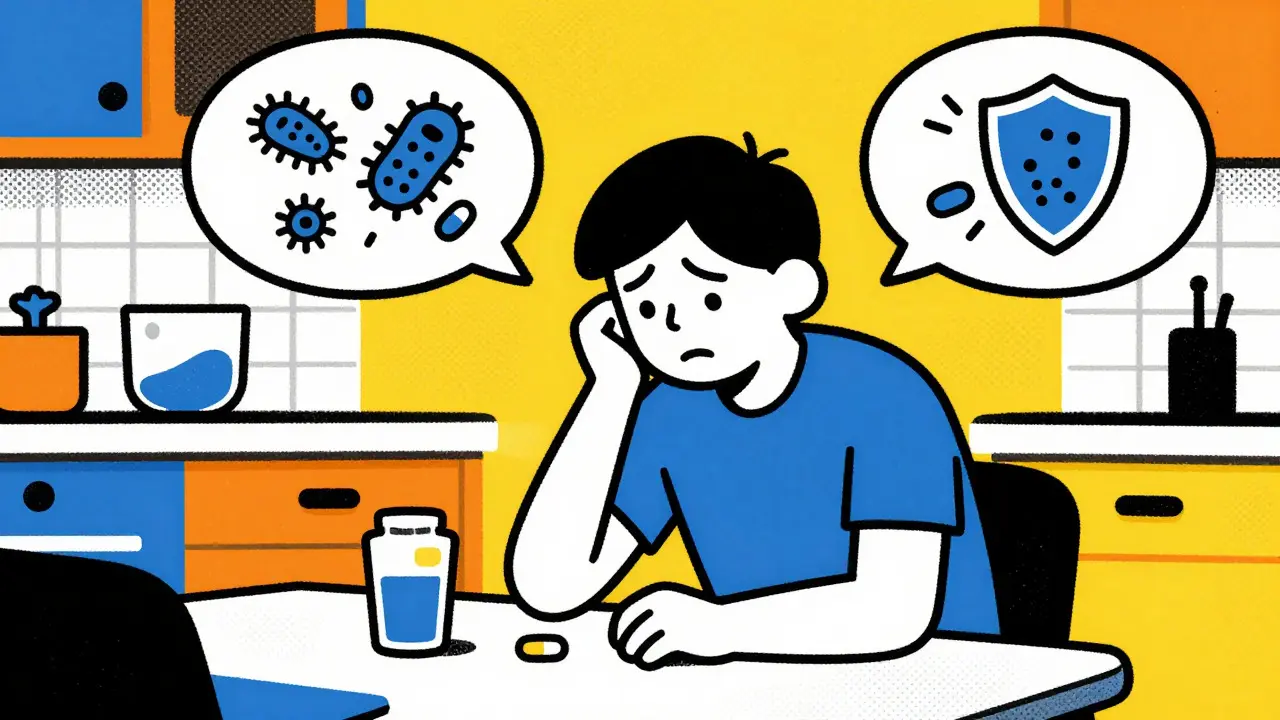
Learn practical strategies to manage common antibiotic side effects like nausea, diarrhea, and sensitivity. Ensure you complete your course safely and effectively.
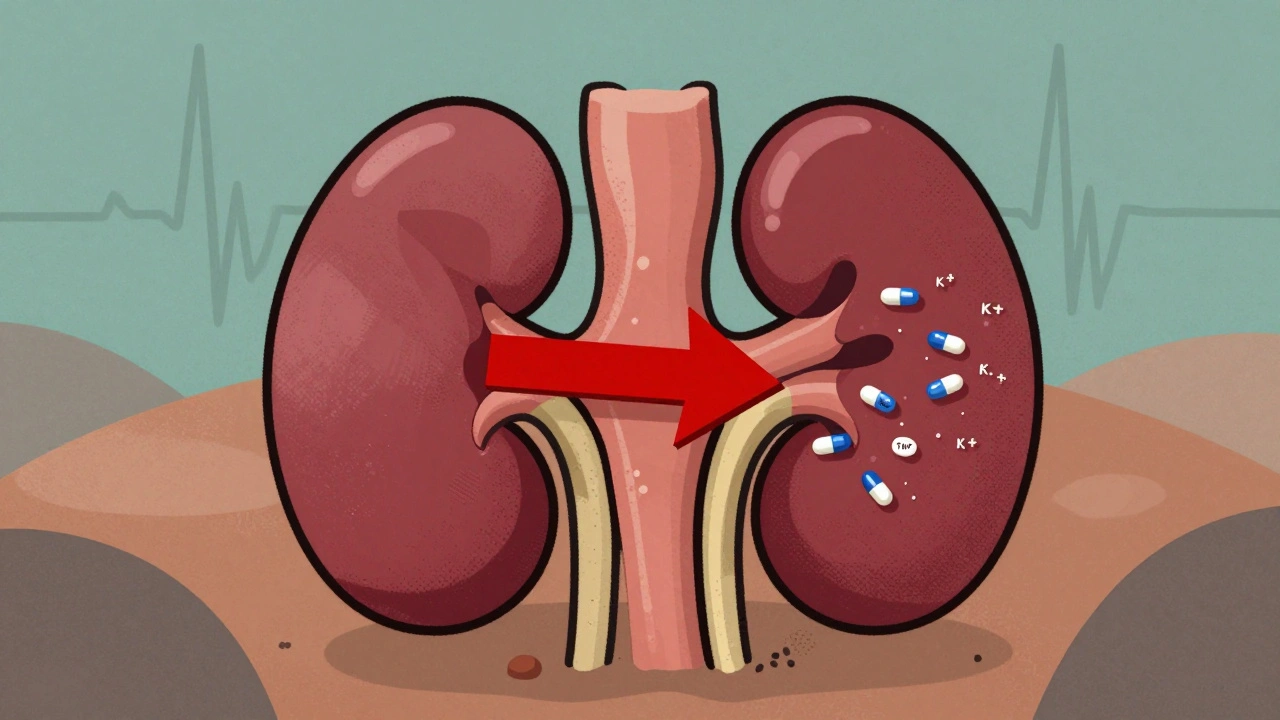
Trimethoprim can cause dangerous spikes in potassium levels, especially in older adults or those on blood pressure meds. Learn who's at risk, how to prevent life-threatening hyperkalemia, and safer antibiotic alternatives.

A detailed look at Chloramphenicol, its clinical uses, safety concerns, and how it stacks up against common alternatives such as Azithromycin, Ciprofloxacin, and Doxycycline.
A complete guide to buying Oxybutynin online safely in 2026. Learn which pharmacies are legit, how to verify licenses, and save money with verified discounts.
Generic drugs contain the same active ingredients as brand-name medications and are just as safe and effective. They cost up to 85% less because they don't repeat expensive clinical trials. Learn how they're approved, why they're different in appearance, and when to choose them.
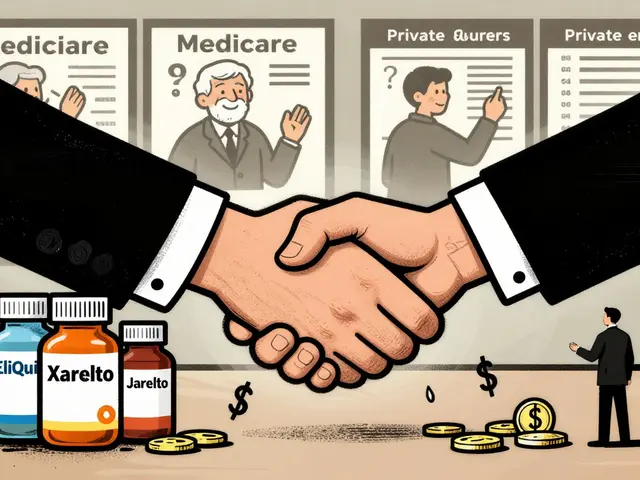
Medicare can now negotiate drug prices for the first time under the Inflation Reduction Act. Discover how this cuts costs for seniors, changes insurer discounts, and reshapes the entire U.S. drug pricing system.
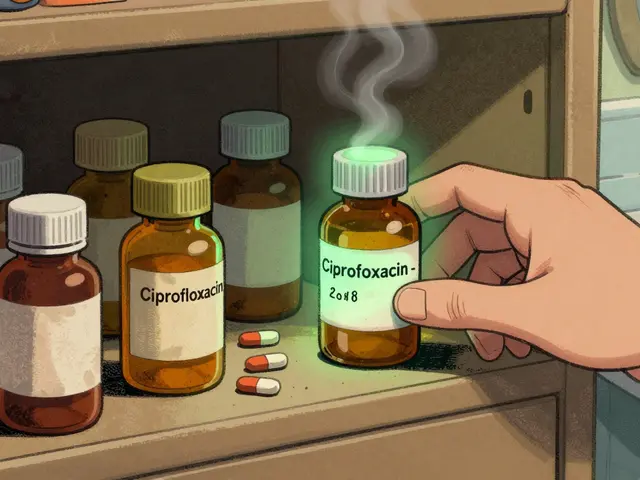
Expiration dates on medications guarantee potency, not safety. Most drugs remain effective years past their label date if stored properly-but some, like insulin and EpiPens, degrade dangerously fast. Know which ones to toss and which are still safe.
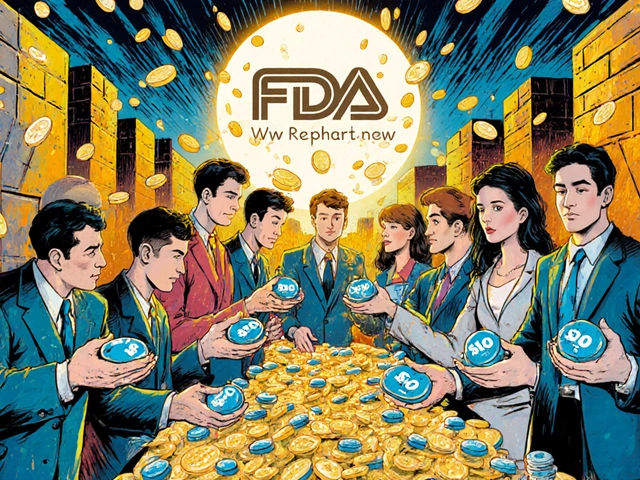
Governments don't set prices for generic drugs - they let competition do it. Learn how FDA approvals, FTC enforcement, and market forces keep generic medications affordable without direct price controls.