
Ursodeoxycholic acid (UDCA) is a medicine that helps improve liver function and dissolve certain types of gallstones. If you've been told you have liver issues or gallstones, you might come across this drug as part of your treatment. But what exactly does it do and how should you use it? Let's break it down simply.
This medicine works by helping the body produce safer bile chemicals and reducing the concentration of toxic bile acids that can harm your liver cells. It basically protects your liver and helps bile flow more smoothly, which is crucial if you have certain liver diseases or gallstones that aren’t too big.
Doctors most often prescribe UDCA for conditions like primary biliary cholangitis, a disease where the bile ducts in your liver become damaged and stop working well. UDCA helps slow this damage and improve how your liver works. Besides that, it's also used to dissolve cholesterol gallstones when surgery isn't an option.
Another thing to know is that UDCA isn't a quick fix. It usually takes several months to see any real effects, and regular medical check-ups are important to track how well it's working. Also, keep in mind it won’t help all types of gallstones or liver problems.
Like any medicine, ursodeoxycholic acid can have side effects though many people tolerate it well. Some common ones include stomach upset, diarrhea, and mild headaches. If you notice symptoms like severe stomach pain, yellowing of your skin or eyes, or allergic reactions, get medical help right away.
Make sure you take UDCA exactly as your doctor instructs. Don't stop it suddenly or change doses without checking first. Also, share your full medical history and other medications with your doctor to avoid interactions.
In short, ursodeoxycholic acid can be a valuable part of managing certain liver diseases and gallstones, but it needs to be used carefully under medical supervision. If you think it might be part of your treatment, talk openly with your healthcare provider about how it fits into your health plan.

Ursodeoxycholic acid (UDCA) plays a pivotal role in bile acid metabolism, offering numerous benefits for individuals with liver health concerns. It's fascinating how this substance can improve the breakdown and absorption of dietary fats and vitamins. For those grappling with liver disorders, understanding UDCA's impact is key to better health outcomes. This article explores the science behind UDCA, its practical advantages, and offers tips for maximizing its benefits.
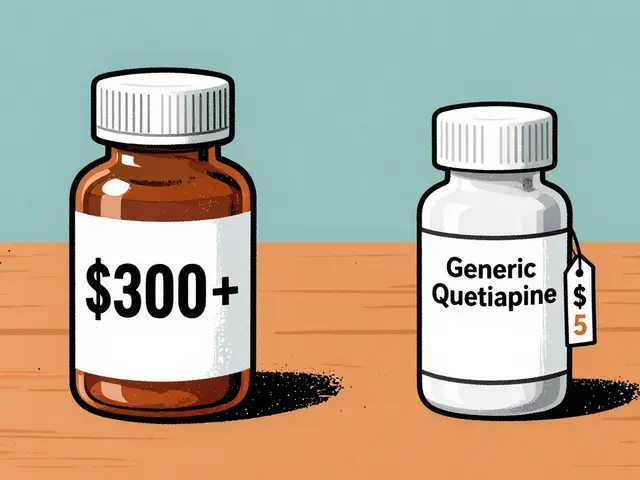
Learn how to buy generic Seroquel (Quetiapine) online safely and cheaply in 2026. We compare legitimate pharmacies, explain GoodRx savings, and warn against illegal sites.

Trace the journey of HIV from its 1980s discovery to today’s advanced antiretroviral treatments, highlighting key milestones, scientists, and breakthroughs.

Compare Betapace (sotalol) with top anti‑arrhythmic alternatives, covering mechanisms, dosing, side effects, and when to choose each.

Learn how to buy Glyset (miglitol) online safely. We cover verified pharmacies, cost-saving tips with GoodRx, and steps to avoid counterfeit drugs.

Echinacea may seem like a safe immune booster, but for people on immunosuppressants, it can interfere with life-saving medications. Learn why experts warn against using it after transplants or for autoimmune conditions.