
When you take a statin, a class of drugs used to lower LDL cholesterol by blocking an enzyme in the liver. Also known as HMG-CoA reductase inhibitors, they’re among the most prescribed medications in the world—used by millions to prevent heart attacks and strokes. But for all their benefits, statin side effects are real, often misunderstood, and sometimes dismissed too quickly.
Most people tolerate statins fine, but up to 1 in 10 report muscle pain, fatigue, or weakness. It’s not always the drug itself—sometimes it’s the nocebo effect, when people expect side effects and then feel them, even if the pill is a placebo. But other times, it’s real: statins can interfere with energy production in muscle cells, leading to soreness that gets worse with exercise. If you’re on a statin and suddenly can’t climb stairs like you used to, it’s not "just aging."
Then there’s the liver. Statins can raise liver enzymes, but serious damage is rare—less than 1 in 10,000. Still, your doctor should check your liver function early on. And if you’re taking other meds, like antibiotics or grapefruit juice, you might be increasing your risk. drug-drug interactions, when two substances in your body clash and change how one works can turn a safe statin into a problem. Some statins are more sensitive than others, and not all doctors know the difference.
Diabetes risk is another quiet concern. Statins slightly raise blood sugar levels, especially in people already at risk. That doesn’t mean you shouldn’t take them—it means you should monitor your glucose and stay active. The heart benefits usually outweigh this small risk, but it’s not nothing.
And what about memory? People report brain fog, but large studies haven’t proven statins cause lasting cognitive issues. If your memory feels off after starting one, talk to your doctor before quitting. It could be something else—sleep, stress, or even another medication.
What you won’t find in the pamphlet: some side effects show up after months, not days. And not everyone reacts the same. A 65-year-old woman with kidney issues might handle a low-dose statin fine, while a 45-year-old athlete might get muscle damage from the same dose. Genetics, age, diet, and other meds all play a role.
That’s why the posts here don’t just list side effects—they dig into why they happen, who’s most likely to get them, and what to do when you do. You’ll find real stories about people who thought their pain was normal, only to find out it was the statin. You’ll see how switching from one statin to another—like from atorvastatin to rosuvastatin—can make all the difference. And you’ll learn how to tell if your symptoms are the drug, or just life catching up.
This isn’t about scaring you off statins. It’s about giving you the tools to use them safely. If you’re on one—or thinking about it—you deserve to know what’s really going on inside your body. The answers are here, in the posts below.
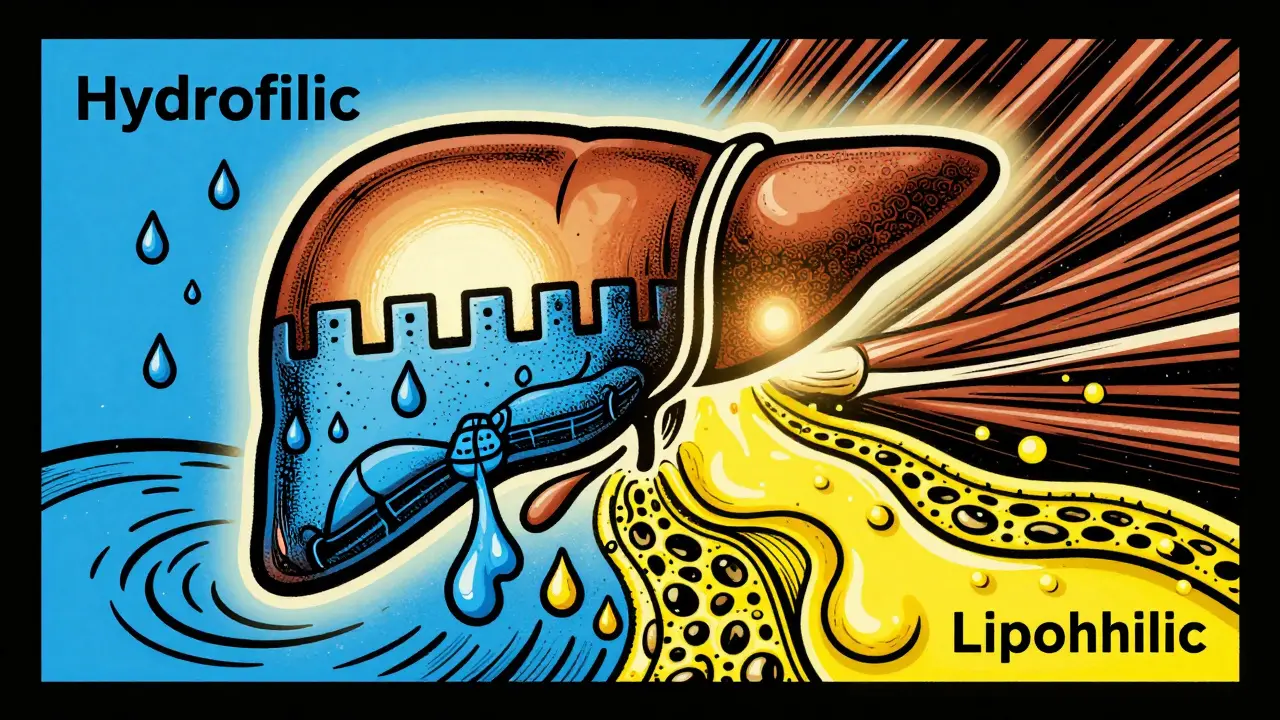
Explore the real differences between hydrophilic and lipophilic statins. Recent data challenges old beliefs about muscle pain, revealing that solubility isn't the only factor in side effects. Learn which type might be right for you.
Pitavastatin is a cholesterol-lowering drug with a lower risk of increasing diabetes compared to other statins. Research shows it's a safer option for people with prediabetes, though cost and access can be barriers. Learn how it stacks up against common alternatives and what experts recommend.
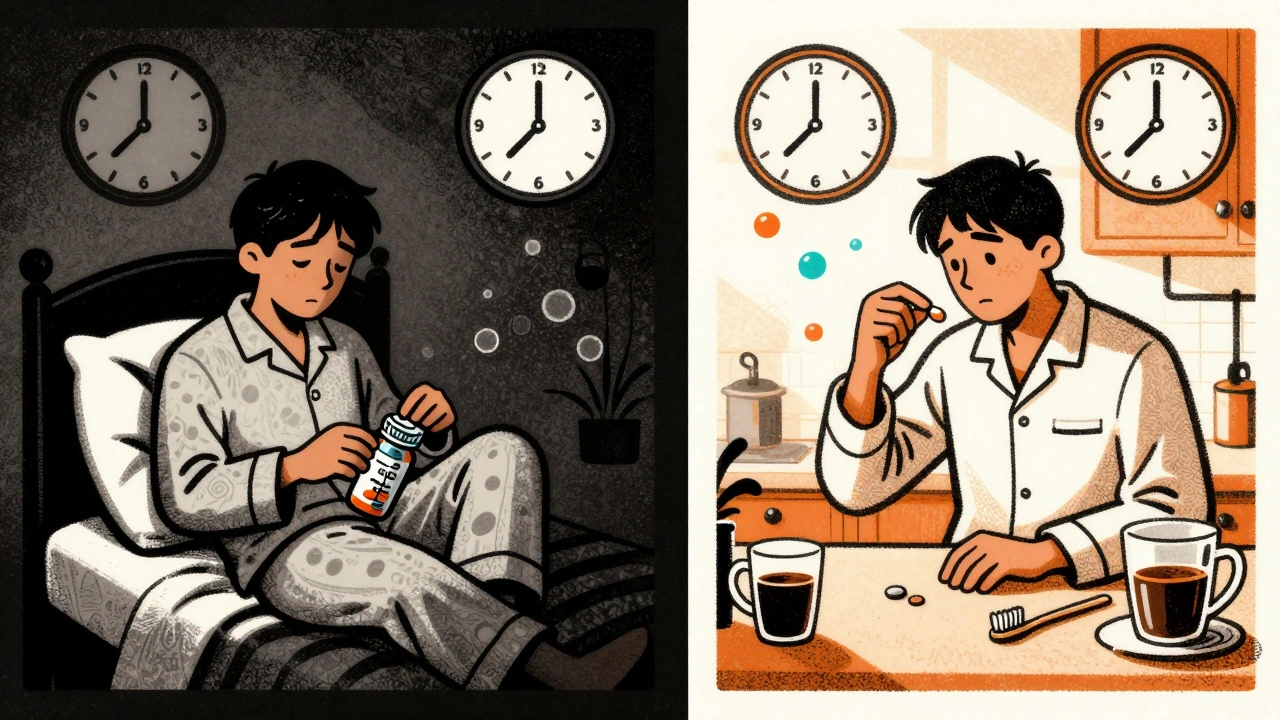
The best time to take statins isn't about night or morning-it's about consistency. Learn how statin timing affects side effects and cholesterol lowering, and why adherence beats clock time.
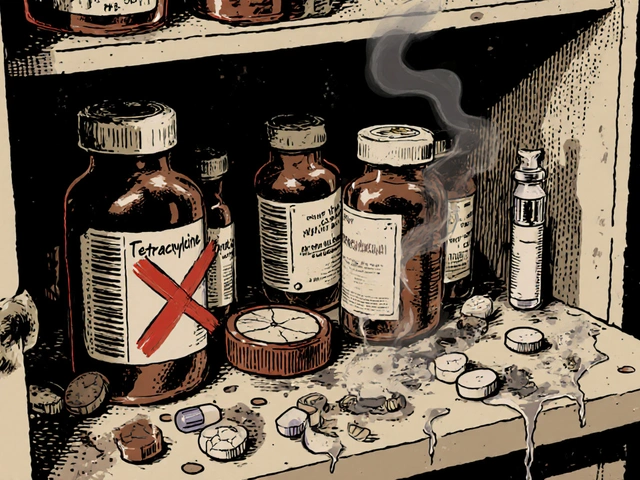
Check your medicine cabinet twice a year to remove expired drugs and prevent accidents. Learn what to toss, where to store meds safely, and how to dispose of them the right way.
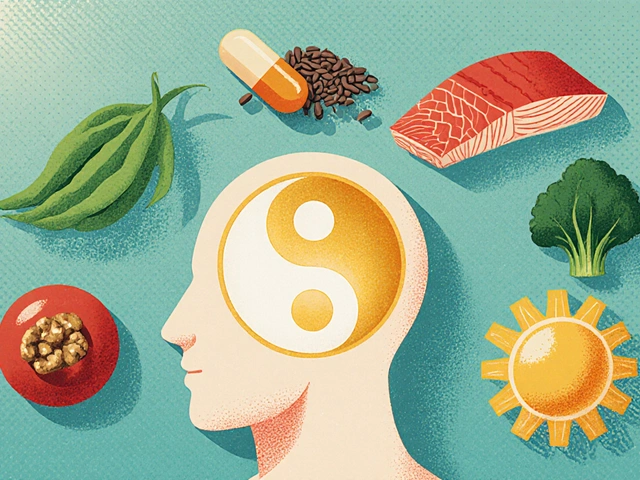
Learn practical diet and nutrition strategies to keep estradiol levels balanced, covering phytoestrogens, omega‑3s, vitamin D, fiber and more.

Want generic Clomid cheap online? Here’s how to do it safely and legally in 2025-prices, telehealth, legit pharmacies, red flags, and smarter alternatives.
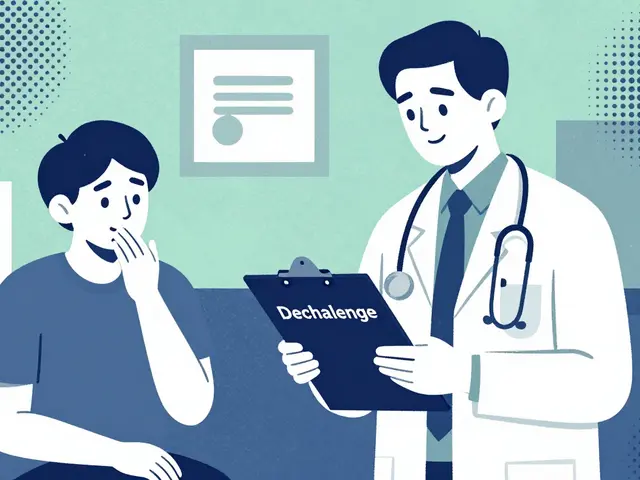
Learn how dechallenge and rechallenge work to identify drug side effects. Understand the clinical methods doctors use to prove causality between medications and adverse reactions.

Everything you want to know about Levlen, a popular birth control pill—uses, what you can expect, benefits, and tips for safer, smarter contraception.