
When you hear SNRI medications, a class of antidepressants that increase serotonin and norepinephrine levels in the brain. Also known as serotonin-norepinephrine reuptake inhibitors, they're often prescribed when other antidepressants don't work or cause too many side effects. Unlike SSRIs that only target serotonin, SNRIs hit two neurotransmitters at once—this makes them useful for people with depression, chronic pain, or severe anxiety.
Common SNRI medications, include venlafaxine (Effexor), duloxetine (Cymbalta), and desvenlafaxine (Pristiq). These aren’t just for mood—they’re also used for nerve pain, fibromyalgia, and even stress incontinence. The reason? Norepinephrine doesn’t just affect mood; it plays a role in how your body processes pain signals. That’s why someone with both depression and back pain might get better results on an SNRI than on a plain SSRI. But they’re not magic pills. Side effects like nausea, dry mouth, increased blood pressure, and sleep issues can happen, especially when you start. And if you’ve ever tried to quit one cold turkey, you know the brain zaps and dizziness aren’t just in your head—they’re real withdrawal symptoms.
What makes SNRIs different from other antidepressants isn’t just how they work, but who they help. People with low energy, fatigue, or physical pain often respond better to SNRIs than to SSRIs. But if you have high blood pressure or heart problems, your doctor might hold off—because these drugs can raise your numbers. And if you’re on other meds, like NSAIDs or blood thinners, interactions can happen. That’s why checking with your provider before switching or adding anything is critical.
You’ll find posts here that dig into real-world issues: why some people react differently to SNRIs, how they stack up against alternatives like tricyclics or SSRIs, and what to do if side effects hit hard. There’s also info on how these drugs interact with things like alcohol, sleep aids, and even kombucha—yes, really. You’ll see how patient stories, clinical data, and drug safety tools help people make smarter choices. Whether you’re considering SNRIs, already taking one, or just trying to understand why your doctor picked it, this collection gives you the facts without the fluff.

SNRI medications offer a dual-action approach to treating depression and chronic pain by boosting serotonin and norepinephrine. Learn how they compare to SSRIs, their real-world effectiveness, side effects, and why they're a key option for treatment-resistant cases.

Learn how to buy generic Yasmin online safely and cheaply in 2026. Compare prices from RedBox Rx, Pandia Health, and GoodRx, and discover safe telemedicine options for affordable birth control.

Explore the latest research, new formulations, and future directions for metoclopramide, including safety updates, combination therapies, and personalized dosing.
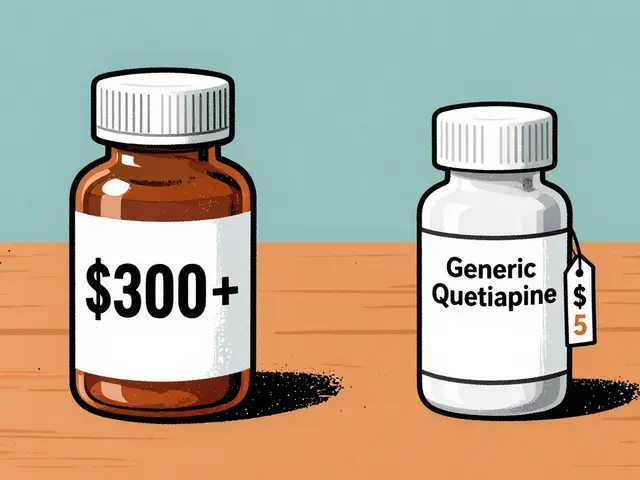
Learn how to buy generic Seroquel (Quetiapine) online safely and cheaply in 2026. We compare legitimate pharmacies, explain GoodRx savings, and warn against illegal sites.

By 2025, managing pain requires a deeper understanding of available options beyond Diclofenac. The article delves into alternatives such as opioid analgesics and discusses their effectiveness, benefits, and drawbacks. Strong pain relievers like Tramadol and Oxycodone offer relief for severe conditions but come with notable risks. Readers will gain practical insights on making informed choices regarding pain management.

Discover seven effective alternatives to Diclofenac in 2025. Each option is explored in terms of benefits and drawbacks, offering insight into modern pain management methods. Learn the unique features of each alternative, including their impacts on different types of pain and side effects. Whether you're managing chronic pain or seeking a safer medication, this guide provides valuable information for better health decisions.