
Ever wondered why your doctor prescribed a tiny eye drop called a prostaglandin analog? In short, these drops help lower eye pressure and keep your vision safe. They’re part of everyday treatment for glaucoma and some other eye problems. Below you’ll find the basics, what to watch out for, and how to use them without hassle.
The most well‑known job of prostaglandin analogs is to treat open‑angle glaucoma. They work by improving fluid drainage out of the eye, which drops the pressure that can damage the optic nerve. Brands you might see include latanoprost, bimatoprost, and travoprost. Besides glaucoma, doctors sometimes use them for ocular hypertension (high eye pressure without glaucoma) and even to help with eyelash growth in certain cosmetic products.
Because they act directly where it matters, prostaglandin analogs are often the first choice for many patients. They usually require only one drop a day, which makes sticking to the schedule easy.
First, wash your hands. Tilt your head back, pull down the lower eyelid to make a little pocket, and squeeze out the prescribed drop. Close your eye gently for about a minute—don’t blink hard or rub, that can push the medication out. If you need other eye drops, wait at least five minutes before applying the next one.
Side effects are usually mild but worth knowing. Some people notice a darker ring around the iris or a few extra lashes. Rarely, you might feel eye irritation, redness, or a slight blurry vision right after using the drop. If any of these symptoms get worse or you see sudden pain, call your eye doctor.
Store the bottle in a cool, dry place and keep it closed when not in use. Most prostaglandin analogs stay good for about a month after opening, so mark the date on the bottle and discard any leftovers after that.
If you miss a dose, just use it as soon as you remember—unless it’s almost time for the next dose, then skip the missed one and continue with your regular schedule. Don’t double up, as that can increase side effects.
Lastly, let your doctor know about any other meds you’re on, especially other eye drops or products with prostaglandins. Interaction checks are quick, and they help keep your treatment safe.
Prostaglandin analogs have become a go‑to for managing eye pressure because they’re effective and easy to use. Understanding how they work, what to expect, and the right way to apply them can make the whole process smoother and protect your sight for years to come.

Explore the complete journey of latanoprost-from its chemical breakthrough and clinical trials to FDA approval and its role in modern glaucoma therapy.
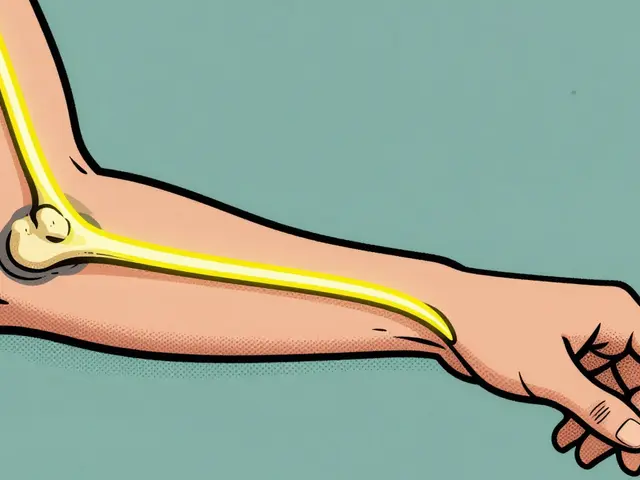
Learn about ulnar neuropathy, its causes like cubital tunnel syndrome, and effective therapies from bracing to surgery. Understand symptoms and prevention strategies.

Sedating antihistamines like diphenhydramine significantly increase fall risk in older adults. Learn why first-generation options are dangerous, which safer alternatives exist, and practical steps to prevent falls through medication changes and home safety.

Discover which common medications can cause lung scarring and how to spot early signs. Learn about high-risk drugs like amiodarone and nitrofurantoin, plus steps to protect your lung health.
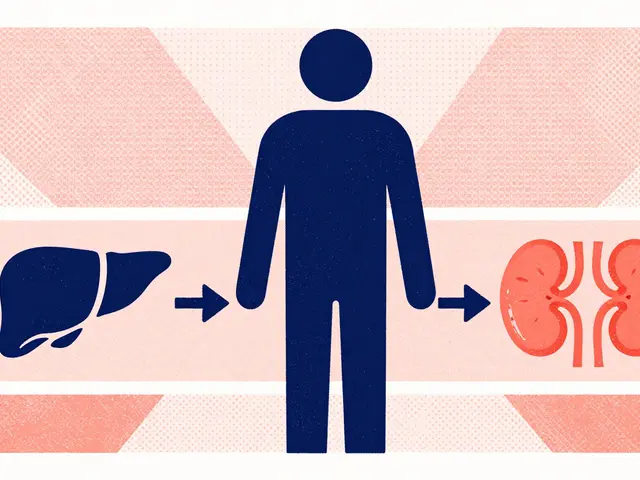
Pitavastatin is a cholesterol-lowering drug with a lower risk of increasing diabetes compared to other statins. Research shows it's a safer option for people with prediabetes, though cost and access can be barriers. Learn how it stacks up against common alternatives and what experts recommend.

Ursodeoxycholic acid (UDCA) plays a pivotal role in bile acid metabolism, offering numerous benefits for individuals with liver health concerns. It's fascinating how this substance can improve the breakdown and absorption of dietary fats and vitamins. For those grappling with liver disorders, understanding UDCA's impact is key to better health outcomes. This article explores the science behind UDCA, its practical advantages, and offers tips for maximizing its benefits.