
When you’re stuck with constant heartburn, PPIs (proton pump inhibitors) feel like the only answer. But long-term use can bring side effects—low magnesium, bone loss, even gut infections. That’s why more people are asking: what are PPI alternatives, medications and methods that reduce stomach acid without blocking proton pumps. Also known as acid reflux treatments, they include everything from simple diet shifts to other drug classes that work differently. You don’t have to stay on PPIs forever if you know your options.
One of the most common and well-studied alternatives is H2 blockers, drugs that cut acid production by targeting histamine receptors instead of proton pumps. Also called histamine-2 receptor antagonists, medications like famotidine (Pepcid) and ranitidine (though largely pulled from the market) give quick relief and are safer for daily use over months. They’re not as strong as PPIs, but for many, they’re enough—especially when paired with lifestyle changes. Then there’s antacids, fast-acting compounds like calcium carbonate or magnesium hydroxide that neutralize acid on contact. These work instantly but don’t last long, making them perfect for occasional flare-ups, not chronic management. You’ll also find people turning to lifestyle changes, non-drug strategies like eating smaller meals, avoiding late-night snacks, and cutting out trigger foods like coffee, spicy dishes, and alcohol. These aren’t just "home remedies"—they’re clinically proven to reduce reflux frequency and severity, sometimes enough to stop meds entirely. Even simple things like raising the head of your bed by six inches can make a measurable difference.
Some folks explore natural options—ginger tea, aloe vera juice, chewing gum after meals. These aren’t magic bullets, but studies show they can help by soothing the esophagus or boosting saliva production, which clears acid faster. The key is combining them with smarter habits. You might not need a new prescription. You might just need to rethink when and how you eat, how you sleep, and what you reach for when your chest burns. The posts below cover real cases: how people switched from PPIs to H2 blockers, what diet tweaks worked best, how to safely taper off, and which alternatives actually hold up under scrutiny. No fluff. No marketing. Just what works—and what doesn’t—based on real experiences and medical evidence.
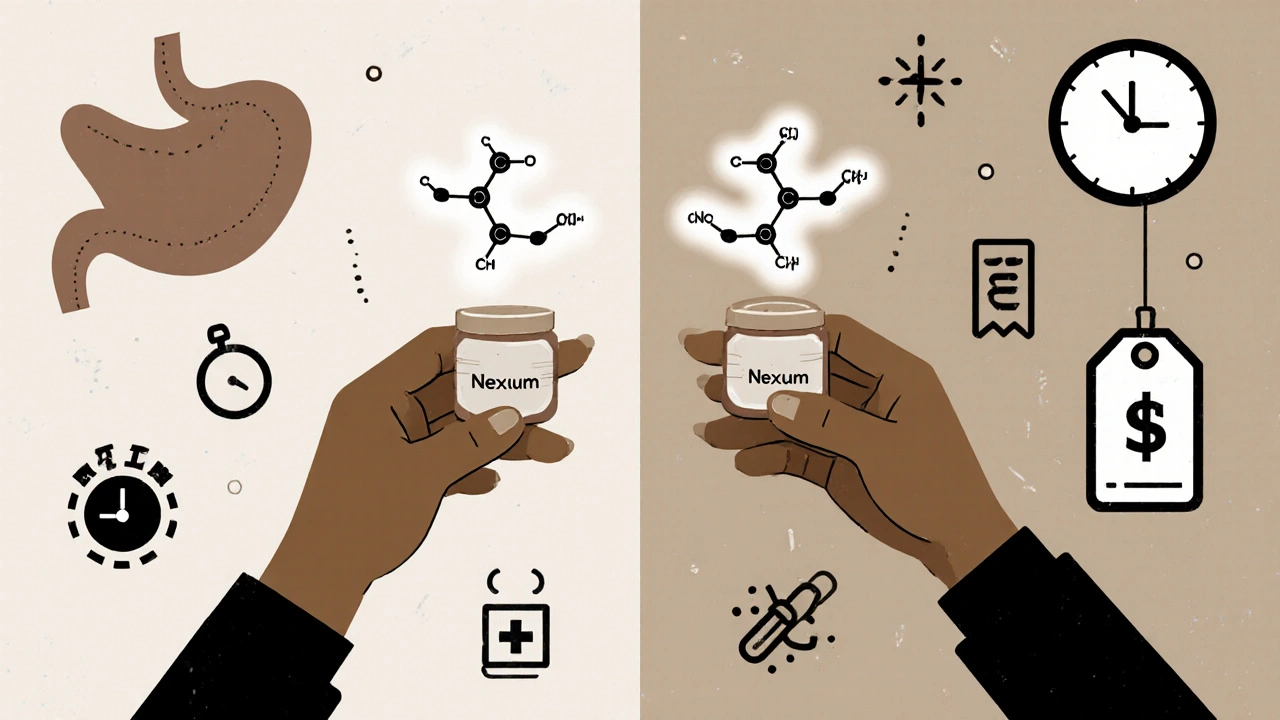
Compare Nexium (esomeprazole) with generic alternatives like omeprazole, lansoprazole, and pantoprazole. Learn which PPI works best for acid reflux, how to switch safely, and when lifestyle changes can replace medication.

Explore modern treatments for Myasthenia Gravis, from traditional steroids and thymectomy to cutting-edge FcRn and complement inhibitors for autoimmune neuromuscular recovery.
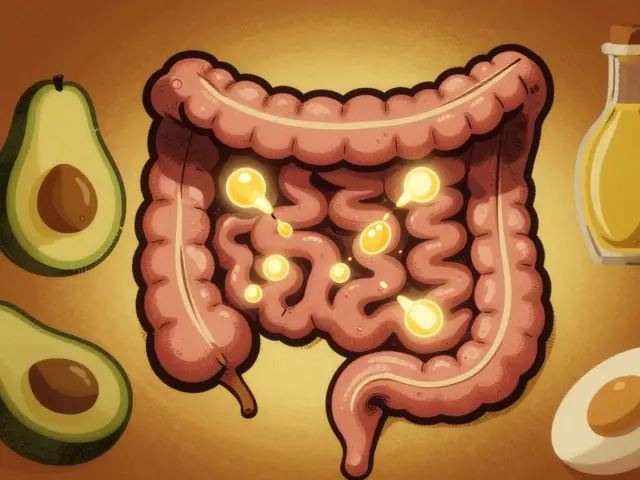
Fatty foods enhance absorption of lipid-based medications by triggering bile release and forming micelles that carry poorly soluble drugs into the bloodstream. This food effect improves bioavailability by up to 300% for certain drugs.
Learn how to differentiate between generic and authorized generic medications to reduce prescription costs. This guide explains insurance formularies, PBM rebates, and specific questions to ask your pharmacist.
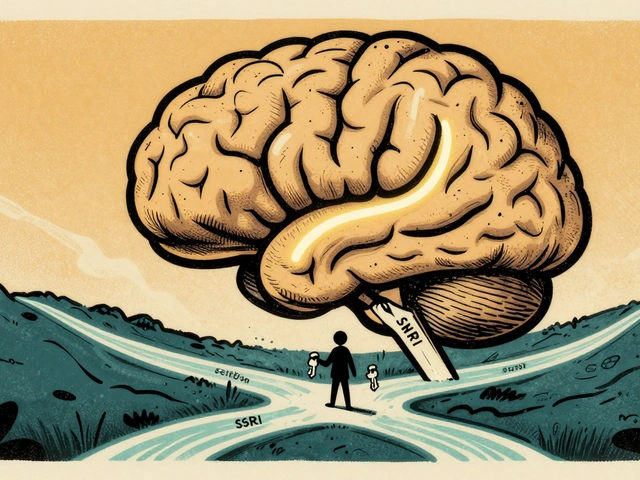
SNRI medications offer a dual-action approach to treating depression and chronic pain by boosting serotonin and norepinephrine. Learn how they compare to SSRIs, their real-world effectiveness, side effects, and why they're a key option for treatment-resistant cases.

Learn how cabergoline works for men, the conditions it treats, dosing tips, benefits, risks, and how it compares to other dopamine agonists.