
When you take a pill and start feeling dizzy, nauseous, or tired, it’s easy to blame the medication. But sometimes, the drug isn’t the culprit—your perceived side effects, the physical sensations you experience because you expect them, not because the drug causes them. Also known as nocebo effect, it’s when your brain, armed with warnings or stories from others, turns harmless signals into symptoms. This isn’t imagination—it’s real biology. Studies show people who believe they’ll get headaches from a pill often do, even when it’s a sugar tablet. The same thing happens with fatigue, dry mouth, or brain fog. The body reacts to expectation as if it’s a real threat.
Why does this happen? Because we’re surrounded by drug labels that list dozens of possible side effects. A single pill’s warning sheet can read like a medical textbook. You scan it, remember the worst ones, and suddenly every little twinge feels like proof the drug is working—wrongly. Placebo effect, the positive response to an inactive treatment due to belief, has a dark twin: the nocebo effect. They’re two sides of the same coin. One makes you feel better because you expect it. The other makes you feel worse because you fear it. This isn’t just about anxiety. It’s about how information flows—from doctors, ads, online forums, even friends. A single Reddit thread about "Xanax making people feel like zombies" can shape how thousands interpret their own mild drowsiness.
And it’s not just psychological. The medication anxiety, the stress triggered by worrying about drug reactions itself can raise your heart rate, tense your muscles, and disrupt sleep—all of which mimic real side effects. You feel jittery? It might be the fear of feeling jittery. You’re tired? Maybe you’re lying awake worrying if the pill is wrecking your liver. This loop is real, measurable, and surprisingly common. One study found nearly half of patients who quit statins due to muscle pain had no actual biological damage—just perceived symptoms.
So what’s the difference between real side effects and perceived ones? Real ones show up consistently across large groups, match known drug mechanisms, and disappear when you stop the drug. Perceived ones often appear only in you, don’t line up with the drug’s known profile, and fade when you’re reassured—or even when you’re told you’re on a placebo. The key isn’t ignoring your body. It’s learning to question your assumptions.
That’s why the posts below matter. They don’t just list side effects—they dig into why you feel them, when they’re real, and how to tell the difference. From how generic drugs trigger unexpected reactions to why kombucha makes people panic about alcohol, these articles cut through the noise. You’ll find real data on what’s medically proven, what’s myth, and what’s just your mind playing tricks. Whether you’re on a statin, an antidepressant, or just worried about your new blood pressure pill, this isn’t about dismissing your experience. It’s about understanding it.
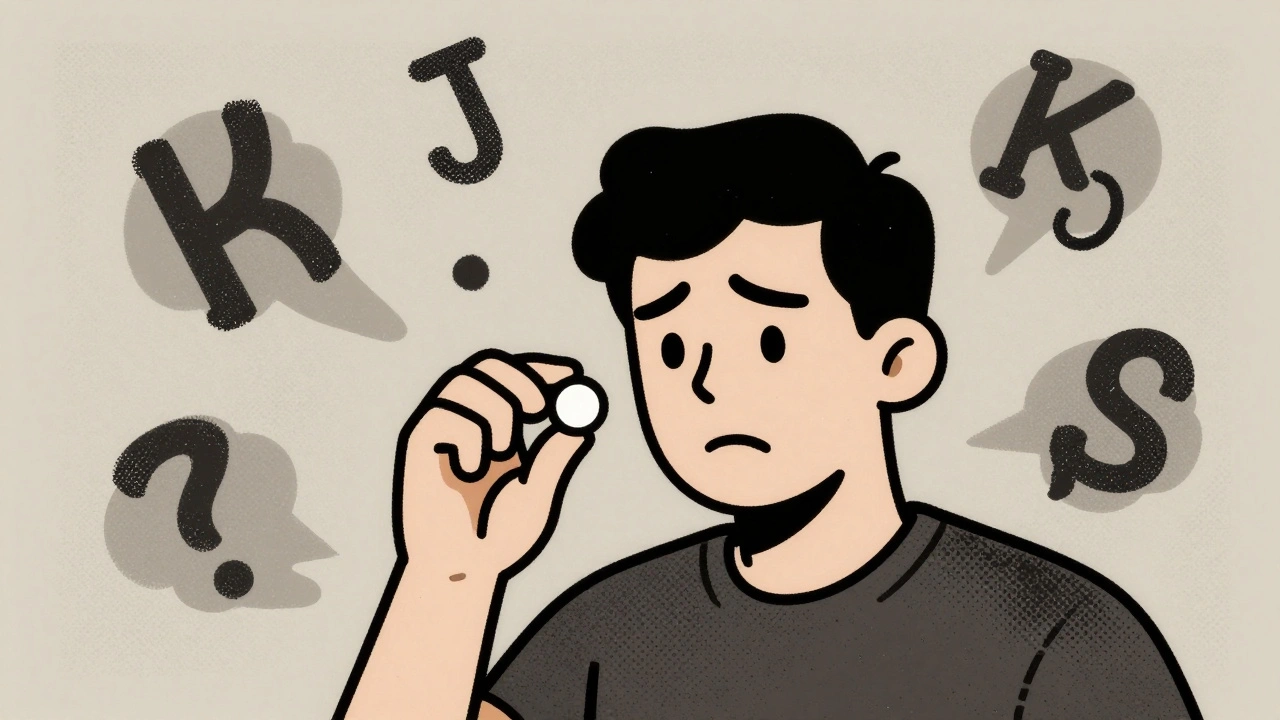
The nocebo effect explains why people feel side effects from medications even when the drug has no active ingredient. Expectations, not chemistry, often drive these reactions - and they're more common than you think.
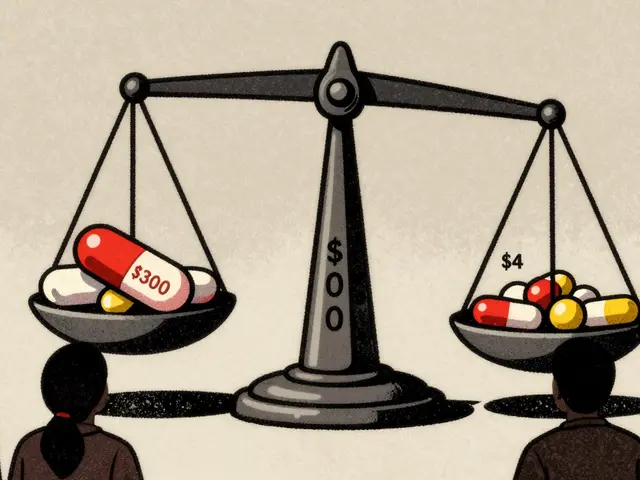
Buyers like Medicare use the presence of generic drugs to negotiate lower prices for brand-name medications. Generic competition drives prices down by over 90% in many cases, making it a key tool for controlling drug costs.

Explore how self‑driving cars could reshape traffic jams, the tech behind them, policy levers, real‑world pilots, and what it means for commuters and cities.
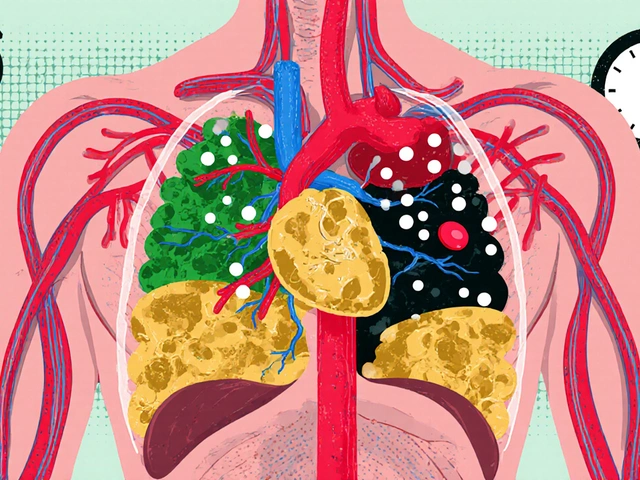
Coronary artery disease, caused by atherosclerosis, is the leading cause of death worldwide. Learn how plaque builds up, who’s at risk, and what treatments actually work-based on the latest 2023 guidelines.
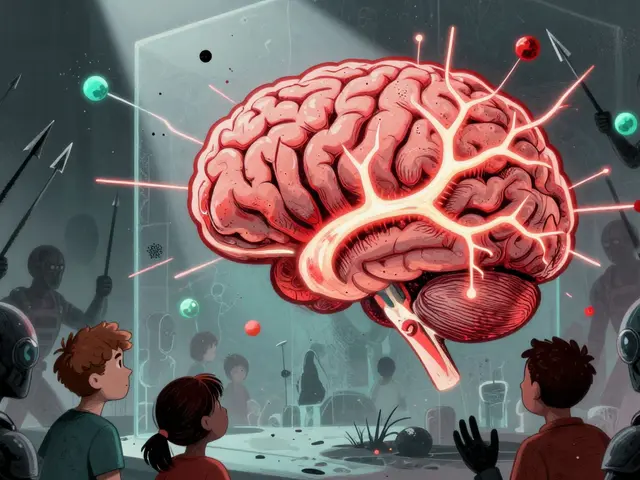
Autoimmune encephalitis is a rare but treatable brain disorder triggered by antibodies attacking brain cells. Early recognition of symptoms like seizures, memory loss, and psychiatric changes can save lives. Learn the key antibodies, red flags, and life-saving treatment protocols.

Discover your chronotype and learn how morning larks and night owls differ in health, cognition, and productivity. Get expert tips on scheduling to beat social jet lag.