
When you take a pill and start feeling dizzy, nauseous, or tired, it’s easy to blame the medication. But sometimes, the drug isn’t the culprit—your perceived side effects, the physical sensations you experience because you expect them, not because the drug causes them. Also known as nocebo effect, it’s when your brain, armed with warnings or stories from others, turns harmless signals into symptoms. This isn’t imagination—it’s real biology. Studies show people who believe they’ll get headaches from a pill often do, even when it’s a sugar tablet. The same thing happens with fatigue, dry mouth, or brain fog. The body reacts to expectation as if it’s a real threat.
Why does this happen? Because we’re surrounded by drug labels that list dozens of possible side effects. A single pill’s warning sheet can read like a medical textbook. You scan it, remember the worst ones, and suddenly every little twinge feels like proof the drug is working—wrongly. Placebo effect, the positive response to an inactive treatment due to belief, has a dark twin: the nocebo effect. They’re two sides of the same coin. One makes you feel better because you expect it. The other makes you feel worse because you fear it. This isn’t just about anxiety. It’s about how information flows—from doctors, ads, online forums, even friends. A single Reddit thread about "Xanax making people feel like zombies" can shape how thousands interpret their own mild drowsiness.
And it’s not just psychological. The medication anxiety, the stress triggered by worrying about drug reactions itself can raise your heart rate, tense your muscles, and disrupt sleep—all of which mimic real side effects. You feel jittery? It might be the fear of feeling jittery. You’re tired? Maybe you’re lying awake worrying if the pill is wrecking your liver. This loop is real, measurable, and surprisingly common. One study found nearly half of patients who quit statins due to muscle pain had no actual biological damage—just perceived symptoms.
So what’s the difference between real side effects and perceived ones? Real ones show up consistently across large groups, match known drug mechanisms, and disappear when you stop the drug. Perceived ones often appear only in you, don’t line up with the drug’s known profile, and fade when you’re reassured—or even when you’re told you’re on a placebo. The key isn’t ignoring your body. It’s learning to question your assumptions.
That’s why the posts below matter. They don’t just list side effects—they dig into why you feel them, when they’re real, and how to tell the difference. From how generic drugs trigger unexpected reactions to why kombucha makes people panic about alcohol, these articles cut through the noise. You’ll find real data on what’s medically proven, what’s myth, and what’s just your mind playing tricks. Whether you’re on a statin, an antidepressant, or just worried about your new blood pressure pill, this isn’t about dismissing your experience. It’s about understanding it.
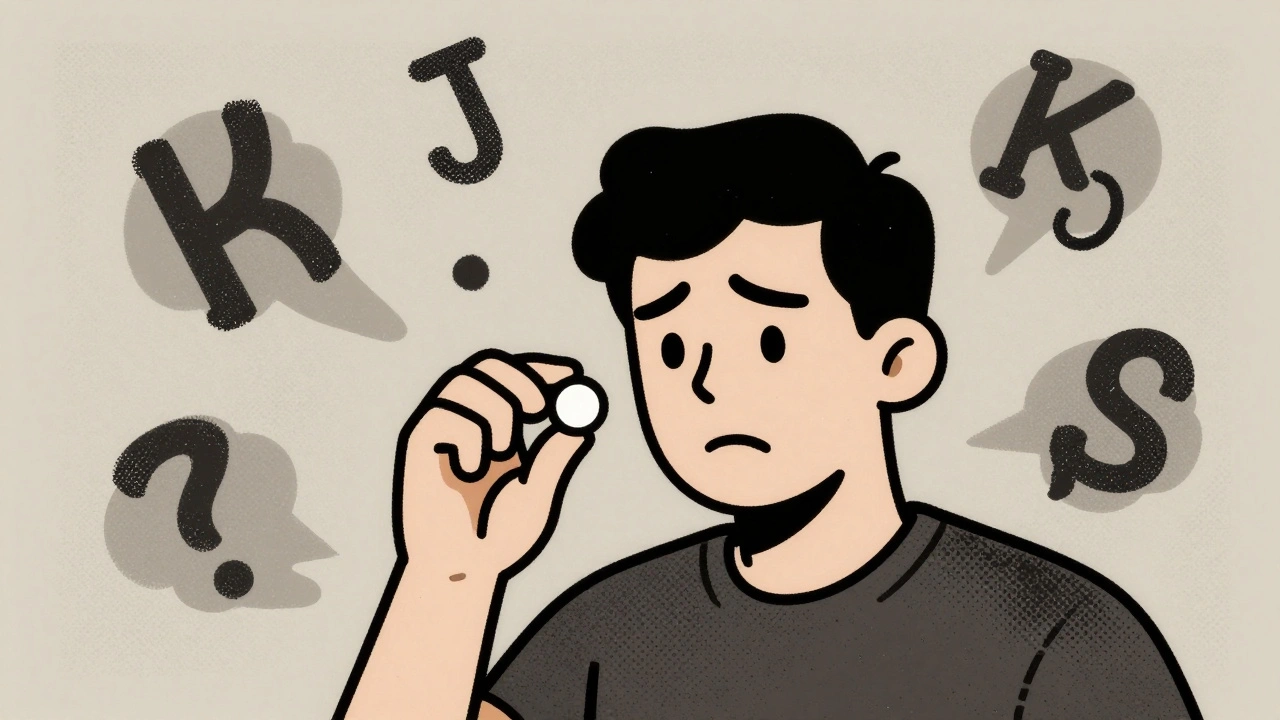
The nocebo effect explains why people feel side effects from medications even when the drug has no active ingredient. Expectations, not chemistry, often drive these reactions - and they're more common than you think.
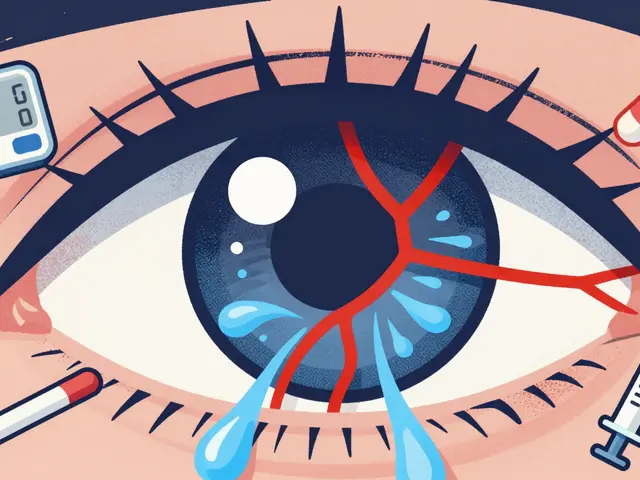
Retinal vein occlusion is a leading cause of sudden vision loss. Learn the key risk factors like high blood pressure and diabetes, and how anti-VEGF and steroid injections help restore vision. Understand treatment realities, costs, and what’s coming next.

A side‑by‑side look at Imusporin (cyclosporine) versus tacrolimus, mycophenolate, sirolimus, everolimus and others, covering mechanisms, side effects, UK costs and when to switch.

A practical guide comparing Duricef (cefadroxil) with common oral antibiotics, covering effectiveness, dosing, side‑effects, costs, and when to choose each option.
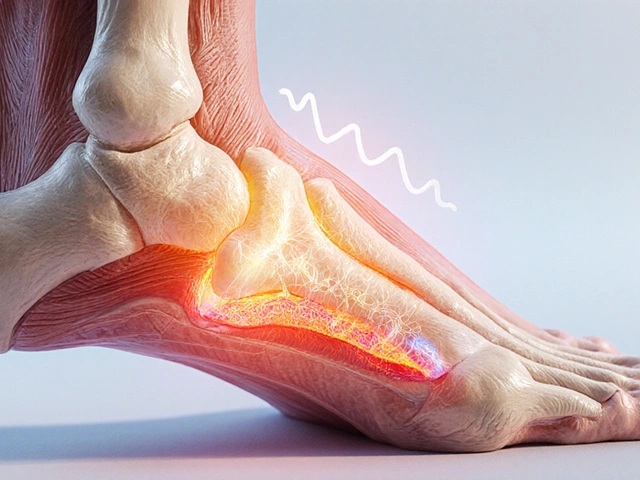
Discover how to soothe tendonitis pain naturally with ice, heat, stretches, strengthening exercises, and anti‑inflammatory herbs for lasting relief.

Finding the right online pharmacy can be vital when looking for affordable medication. Whether you're interested in more international options or simpler ordering processes, there are several alternatives to Canada Drugs Direct that may suit your needs better. This article explores these options, covering each one’s strengths and weaknesses, to help you make an informed choice.