
When you rely on headache meds too often, your body starts to fight back. This is called migraine overuse, a condition where frequent use of headache medications leads to more frequent and severe headaches. It’s not addiction—it’s physiology. Your brain gets used to the drug, and when it wears off, it triggers another attack. This cycle turns occasional migraines into daily pain. People often don’t realize they’re stuck in it because they think the medicine is helping, when really, it’s the main reason their headaches won’t go away.
rebound headaches, also known as medication overuse headache, occur when pain relievers or migraine-specific drugs are taken more than 10–15 days a month. Common culprits include over-the-counter painkillers like ibuprofen or acetaminophen, combination meds with caffeine or codeine, and prescription triptans like sumatriptan. Even if you’re only taking them on bad days, if those days add up, you’re at risk. Studies show that over 2% of the general population suffers from this, and it’s even higher among people with chronic migraines. The worst part? Stopping the meds feels awful at first—headaches get worse, nausea and anxiety spike. But that’s your brain resetting. Most people see real improvement after 2–8 weeks of quitting.
It’s not just about cutting back—it’s about replacing the habit. Many people jump from one drug to another, thinking a different pill will solve it. But the problem isn’t the drug—it’s the frequency. What works better is a plan: work with your doctor to taper off safely, use preventive treatments like beta-blockers or CGRP inhibitors if needed, and try non-drug strategies like sleep hygiene, stress management, or biofeedback. You don’t need to suffer through every headache. Sometimes, the most powerful tool is not taking anything at all.
Below, you’ll find real stories and science-backed advice from people who’ve been there. Some found relief by switching medications. Others broke the cycle with lifestyle changes. A few learned that their "migraines" were actually rebound headaches all along. These posts don’t offer quick fixes—they offer clarity. And sometimes, that’s the first step to feeling better.
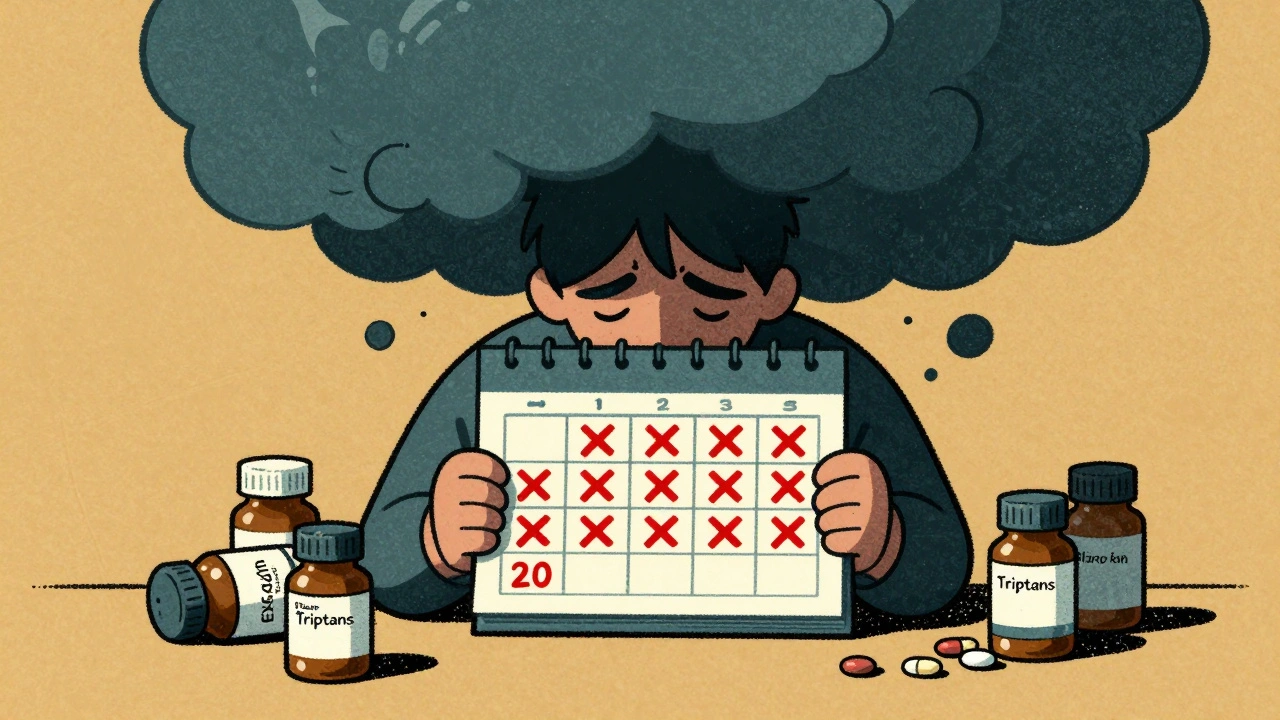
Medication overuse headaches are a hidden cause of chronic pain, triggered by too-frequent use of common painkillers. Learn how to identify them, safely stop the cycle, and find lasting relief with proven treatments.

Discover seven effective alternatives to Diclofenac in 2025. Each option is explored in terms of benefits and drawbacks, offering insight into modern pain management methods. Learn the unique features of each alternative, including their impacts on different types of pain and side effects. Whether you're managing chronic pain or seeking a safer medication, this guide provides valuable information for better health decisions.
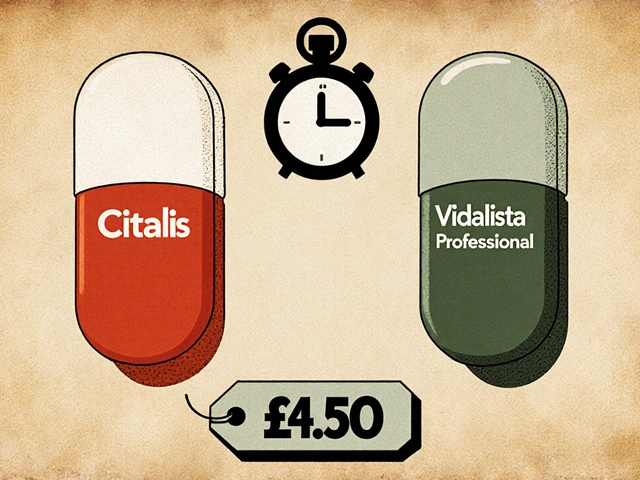
Compare Vidalista Professional with Cialis and other tadalafil generics to find the safest, most cost-effective option for treating erectile dysfunction. Learn what really matters-active ingredients, safety, and where to buy.
Learn how to stay informed about FDA drug recalls and safety alerts. Get practical steps to sign up for alerts, report side effects, and protect yourself from dangerous medications.
Learn how to interpret the FDA's Pregnancy and Lactation Labeling Rule (PLLR). This guide explains Section 8, risk summaries, and how to make informed decisions for pregnant and breastfeeding patients.
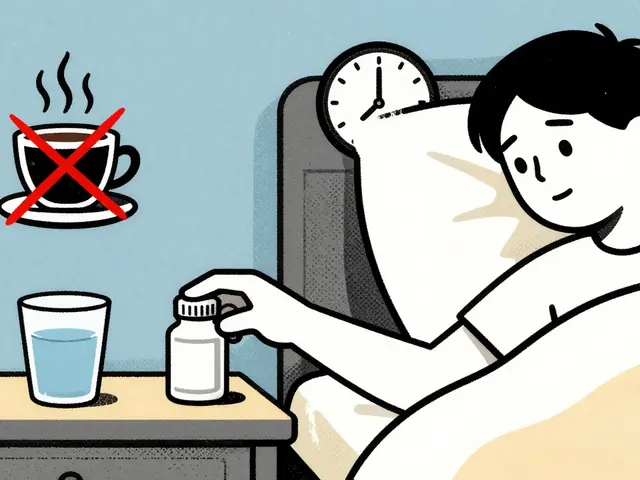
Master levothyroxine timing for optimal absorption. Learn the exact rules for fasting, avoiding food and supplement interactions, and stabilizing TSH levels effectively.