
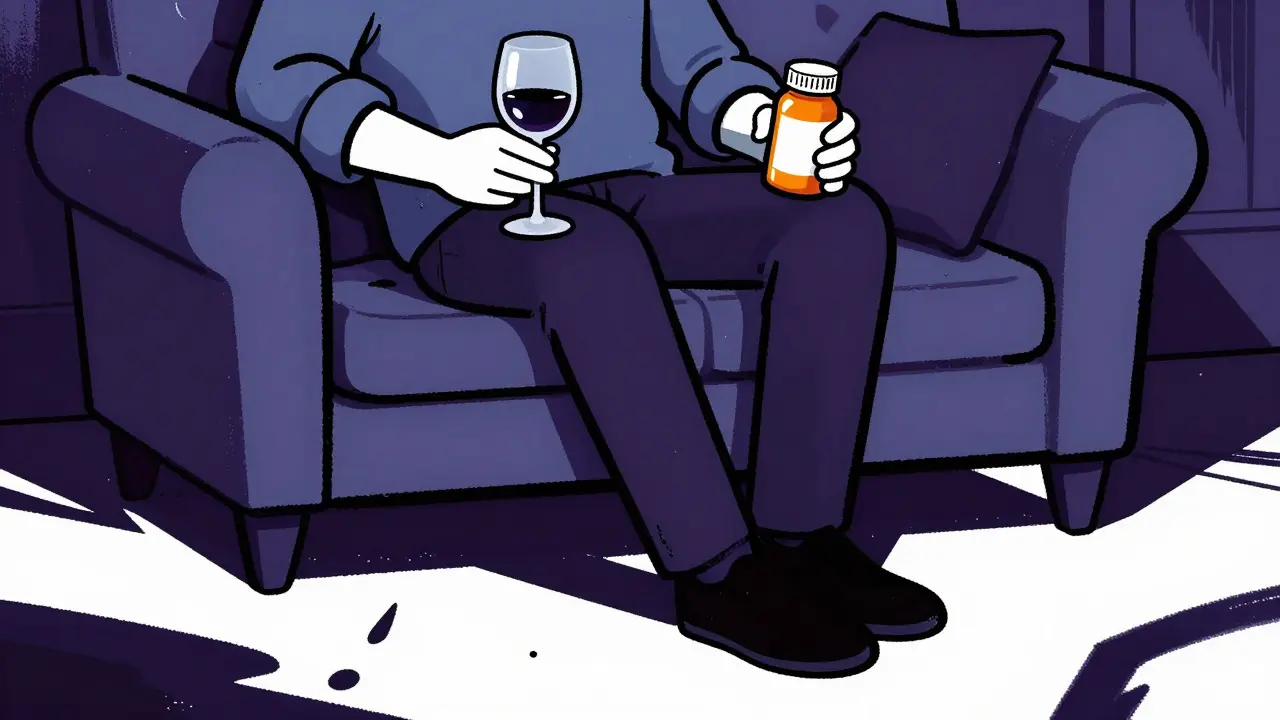
Discover the hidden dangers of mixing alcohol with prescription drugs. Learn how interactions affect your liver, increase overdose risks, and what steps you can take to stay safe.
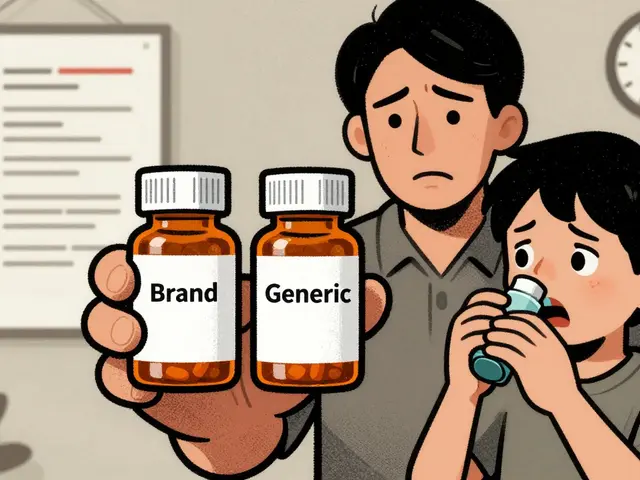
Switching children to generic medications can save money-but it can also risk their health. Learn why pediatric patients are uniquely vulnerable to changes in drug formulations, how insurance policies drive unsafe switches, and what parents and doctors must do to protect kids on chronic meds.
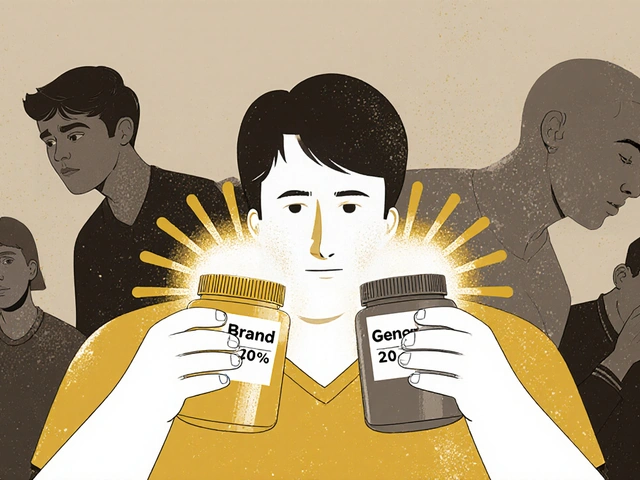
Not all generic medications work the same for everyone. While FDA-approved as bioequivalent, small differences in inactive ingredients and absorption can cause serious reactions in some patients-especially with narrow therapeutic index drugs like levothyroxine and warfarin.
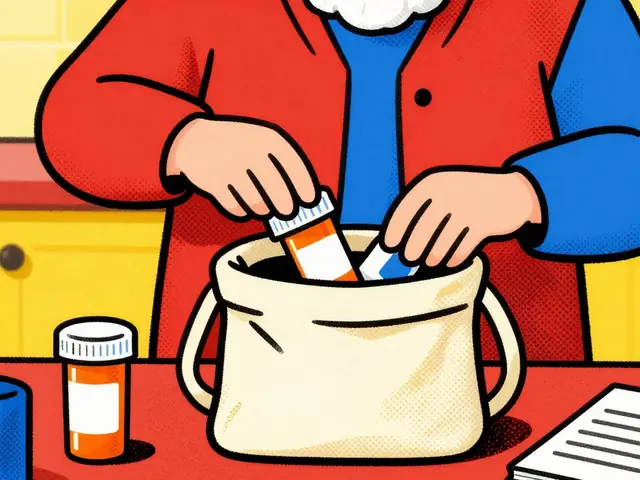
A practical guide for families on preparing for and conducting discussions with medical teams about elderly drug regimens to prevent adverse events.

Vascular, frontotemporal, and Lewy body dementia are three distinct brain disorders with different causes, symptoms, and treatments. Knowing the difference can prevent dangerous misdiagnoses and improve care.
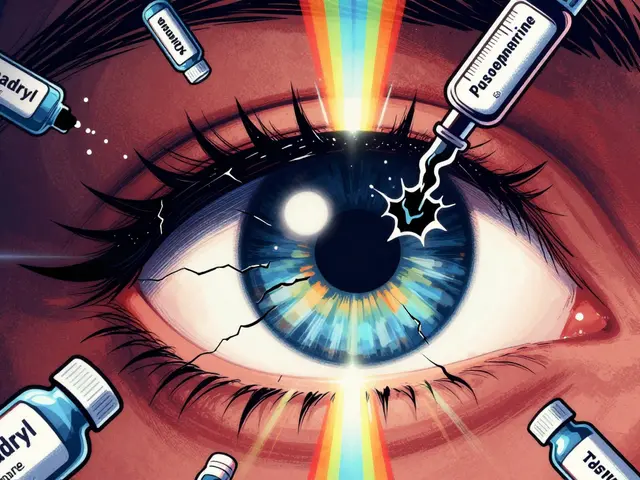
Medication-induced acute angle-closure glaucoma is a sudden, sight-threatening eye emergency triggered by common drugs like decongestants, antihistamines, and antidepressants. Learn who's at risk, which meds cause it, and how to prevent permanent vision loss.