
If you’ve just heard the word “glaucoma,” you might feel worried. The good news is that most people can control it with the right plan. Below you’ll find the everyday steps that actually work, from drops you put in your eye to the surgeries doctors recommend.
Most doctors start you on eye drops because they are easy and cheap. The goal is to lower the fluid pressure inside your eye, called intra‑ocular pressure (IOP). Common drops include prostaglandin analogs (like latanoprost), beta‑blockers (timolol), and carbonic anhydrase inhibitors (brinzolamide). You’ll usually use one drop once a day, but some medicines need two‑times‑daily dosing.
Here’s a quick check‑list for using drops correctly:
If you notice redness, burning, or blurry vision that lasts more than a few minutes, call your eye doctor. Those could be signs you need a different drop.
About one‑third of glaucoma patients eventually need a procedure to bring IOP down further. The two most common are laser trabeculoplasty and filtering surgery.
Laser trabeculoplasty uses a quick light pulse to improve fluid drainage. It’s an office procedure, takes about 10 minutes, and usually doesn’t need a hospital stay. Most people feel a mild flickering sensation, but the recovery is quick.
Filtering surgery creates a new pathway for fluid to leave the eye. The most well‑known type is called trabeculectomy. It’s more invasive, so doctors reserve it for cases where pressure stays high despite drops and laser.
Both options have risks, like temporary inflammation or infection, but your surgeon will explain how to keep complications low. Follow the post‑op eye‑drop schedule exactly – it’s the most important part of a smooth recovery.
Besides medical options, lifestyle tweaks can help keep pressure steady. Regular exercise, especially low‑impact cardio like walking, can lower IOP a bit. Eating foods rich in leafy greens (spinach, kale) and omega‑3 fatty acids (salmon, walnuts) supports eye health. Try to limit caffeine; big cups of coffee can raise eye pressure for a short time.
Don’t forget to protect your eyes from bright light. Wearing UV‑blocking sunglasses reduces overall stress on the eyes and may help slow damage.
Finally, schedule regular check‑ups. Even if your pressure looks good now, glaucoma can sneak up. Most doctors recommend an eye exam every 3‑6 months once you’re on treatment.
Bottom line: controlling glaucoma is a team effort between you, your eye doctor, and a few daily habits. Use drops correctly, discuss laser or surgery if needed, stay active, eat eye‑friendly foods, and keep up with appointments. Stick to this plan and you’ll give your eyes the best chance to stay clear for years to come.

Explore the complete journey of latanoprost-from its chemical breakthrough and clinical trials to FDA approval and its role in modern glaucoma therapy.
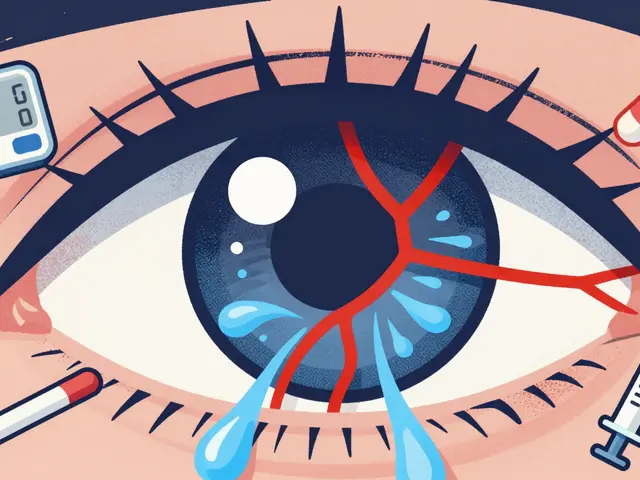
Retinal vein occlusion is a leading cause of sudden vision loss. Learn the key risk factors like high blood pressure and diabetes, and how anti-VEGF and steroid injections help restore vision. Understand treatment realities, costs, and what’s coming next.

Scabies and lice are common, contagious skin infestations that require precise treatment to prevent reinfection. Learn how permethrin, ivermectin, and spinosad work-and why treating everyone at once is critical.
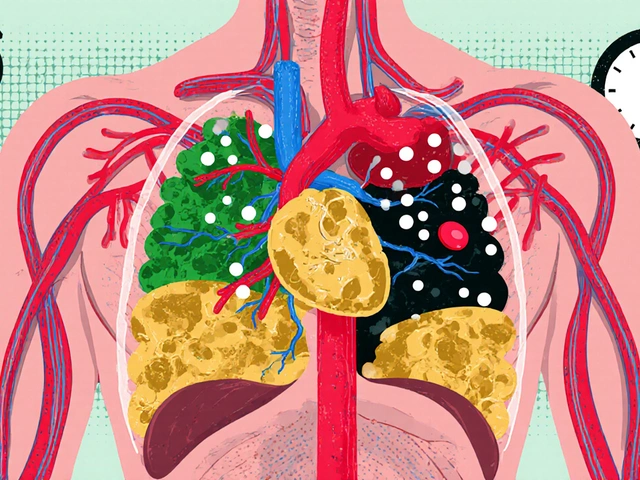
Coronary artery disease, caused by atherosclerosis, is the leading cause of death worldwide. Learn how plaque builds up, who’s at risk, and what treatments actually work-based on the latest 2023 guidelines.
A practical guide for families on preparing for and conducting discussions with medical teams about elderly drug regimens to prevent adverse events.
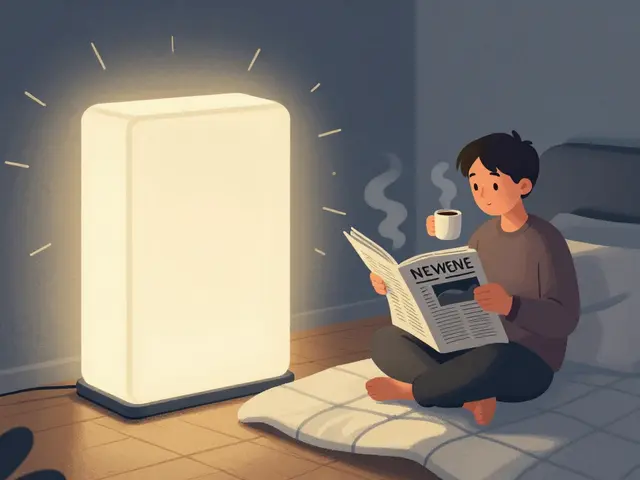
Seasonal affective disorder causes winter depression with fatigue, low mood, and cravings. Bright light therapy is a proven, drug-free treatment that resets your body clock and lifts mood in just days.