
If you’ve been told you have fibromyalgia, the first thing you probably wonder is, "What can I take to feel better?" The short answer: there’s no single magic pill, but a mix of medicines can ease pain, improve sleep, and boost mood. Below we break down the main drug groups, when doctors prescribe them, and practical tips to make the most of each.
1. Antidepressants – Tricyclics like amitriptyline and SNRIs such as duloxetine are top choices. They work by increasing serotonin and norepinephrine, which can lower pain signals and help you sleep better. Most people start with a low dose at night and slowly increase it to avoid drowsiness.
2. Anti‑seizure meds – Gabapentin and pregabalin (Lyrica) are often prescribed because they calm nerve over‑activity. They tend to reduce the “buzzing” feeling many fibromyalgia patients describe. Side effects can include mild dizziness or swelling, so keep your doctor in the loop if anything feels off.
3. Muscle relaxants – Cyclobenzaprine is the go‑to for nighttime muscle tightness. It’s not meant for daytime use because it can make you sleepy, but a small nightly dose can improve sleep quality, which in turn lowers pain perception.
4. NSAIDs and analgesics – Over‑the‑counter ibuprofen or naproxen help with occasional flare‑ups, but they don’t target the underlying pain pathways. Use them sparingly to avoid stomach or kidney issues.
5. Sleep aids – Low‑dose doxepin or prescription melatonin can fix broken sleep cycles. Better rest often means a lower pain rating the next day.
Start with a clear symptom list. If fatigue and poor sleep dominate, a doctor may try a tricyclic first. If you’re battling sharp, electric‑like pains, an anti‑seizure drug might be the better start.
Ask yourself these practical questions:
Always keep a symptom journal. Note the medication name, dose, time of day, and how you feel after 24–48 hours. This record helps your doctor fine‑tune the plan without endless guesswork.
Don’t forget lifestyle tricks alongside meds. Light exercise, stress‑reduction techniques, and a balanced diet can boost the drug’s effect. If a medication isn’t helping after a few weeks, talk to your doctor about adjusting the dose or trying a different class.
Finally, be patient. Fibromyalgia is a chronic condition, and finding the right mix can take time. Stay in touch with your healthcare team, track progress, and give each medication a fair trial. With the right combination, many people experience noticeable pain relief and a better quality of life.

Explore how medication helps manage fibromyalgia pain, the main drug classes, their benefits, side effects, and tips for choosing the right regimen.

A comprehensive guide to levothyroxine safety, covering essential monitoring protocols, the risks of brand switching, and critical medication interactions to ensure effective hypothyroidism treatment.

A side‑by‑side look at Imusporin (cyclosporine) versus tacrolimus, mycophenolate, sirolimus, everolimus and others, covering mechanisms, side effects, UK costs and when to switch.

Learn safe strategies for benzodiazepine tapering to reduce dependence. Discover expert-backed methods for gradual dose reduction, managing withdrawal symptoms, and achieving long-term recovery.

This easy-to-read guide explains in plain language how levetiracetam controls seizures, making it accessible for patients and caregivers. It covers what levetiracetam does in the brain, how it helps people with epilepsy, what side effects to look for, and tips to get the most out of the medication. You'll learn what to expect and get practical advice, plus a helpful resource for understanding how levetiracetam works.
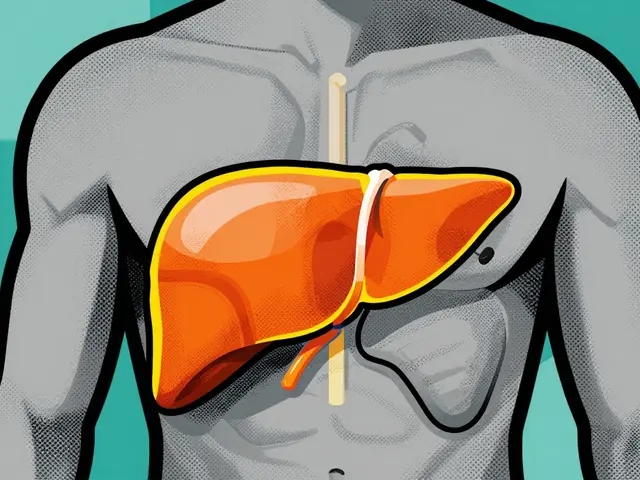
Explore how GLP-1 agonists like semaglutide are transforming the treatment of Metabolic-Associated Fatty Liver Disease (MASLD). Learn about weight loss targets, drug comparisons, and real-world challenges.