
If you're exploring ways to boost your chances of having a baby, fertility alternatives offer actual options beyond just the usual advice. Whether it's natural methods, lifestyle changes, or medical treatments, understanding your choices helps you take control with confidence.
Many couples face fertility challenges but don’t realize there are alternatives that can fit their needs, budgets, and comfort levels. You don’t have to dive straight into aggressive treatments—sometimes starting with simple lifestyle tweaks makes a surprising difference. Cutting back on smoking, keeping a healthy weight, managing stress, and avoiding excessive alcohol might improve reproductive health more than you expect.
First, tracking your ovulation is a practical step that helps you identify your most fertile days. Tools like ovulation predictor kits or fertility tracking apps can guide timing efforts effectively. Some also find supplements like folic acid, vitamin D, or CoQ10 helpful—though it’s smart to check with a healthcare provider before starting anything new.
Herbal remedies and acupuncture are popular, too, but the evidence varies. If you’re curious about them, look for certified practitioners and share what you’re doing with your doctor to avoid any conflicts with treatments you may undergo.
When natural methods don’t work, medical options come into play. Treatments such as intrauterine insemination (IUI) or in vitro fertilization (IVF) are common routes, but they’re not the only ones. Hormonal therapies, egg or sperm donation, and surgery for blockages or abnormalities could be part of your personalized plan.
Fertility clinics usually create a tailored approach based on your specific situation. That might sound intimidating, but it’s better to explore options early so you can avoid unnecessary delays. Plus, many clinics now offer counseling and support groups to help you stay emotionally strong throughout the process.
Remember, every couple’s path is unique. Talking openly with your partner, healthcare professionals, and trusted friends can turn this journey into a shared experience rather than a solo struggle. With clear info and the right help, the alternatives for fertility can make your goal of starting a family feel more achievable than ever.

If you're trying to expand your family, natural supplements like myo-inositol, CoQ10, and DHEA might give you that extra edge. This article digs deep into how these supplements may help, dosage tips, and the science behind their popularity. You'll find relatable, concrete insights for both women and men. Plus, learn how these options stack up against popular fertility drugs and discover practical tips that you can use right now.
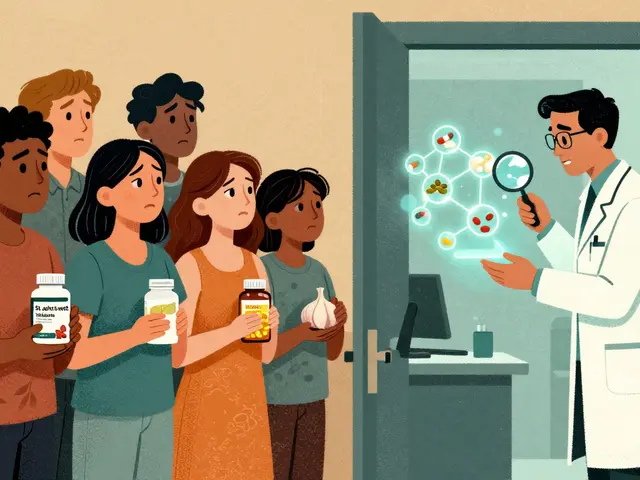
Most people don't tell their doctors about dietary supplements-even though they can interact dangerously with medications. Learn why full disclosure matters, which supplements are riskiest, and how to talk to your care team safely.

Current evidence shows gabapentin and pregabalin may increase risks of preterm birth, heart defects, and neonatal withdrawal in pregnancy. Safer alternatives exist, and careful monitoring is essential if these drugs are used.

Learn how cabergoline works for men, the conditions it treats, dosing tips, benefits, risks, and how it compares to other dopamine agonists.

Discover seven effective alternatives to Diclofenac in 2025. Each option is explored in terms of benefits and drawbacks, offering insight into modern pain management methods. Learn the unique features of each alternative, including their impacts on different types of pain and side effects. Whether you're managing chronic pain or seeking a safer medication, this guide provides valuable information for better health decisions.

Steroid myopathy causes painless, progressive muscle weakness in people on long-term corticosteroids. Learn how to recognize early signs, avoid misdiagnosis, and start safe, effective physical therapy to regain strength.