
Did you know that beta blockers can cut heart attack risk by up to 30%? That’s why doctors prescribe them for high blood pressure, angina, and irregular beats. But not every beta blocker works the same way, and picking the wrong one can bring unwanted side effects.
Beta blockers block the adrenaline receptors (beta‑1 and beta‑2) in your heart and blood vessels. By doing that, they slow your heartbeat, lower blood pressure, and reduce the heart’s workload. Some drugs focus mainly on the heart (beta‑1 selective), while others affect both heart and lungs (non‑selective). The difference matters if you have asthma, diabetes, or need a fast‑acting pill.
When you start a beta blocker, expect a gradual drop in pulse and blood pressure over a few days. Most people feel steadier, but a few notice fatigue, cold hands, or a mild drop in exercise tolerance. Those symptoms usually fade as your body adjusts.
1. Metoprolol (Lopressor, Toprol‑XL) – Beta‑1 selective, works well for high blood pressure and post‑heart‑attack care. It’s available in immediate and extended‑release forms. Side effects are mild for most, but watch for insomnia or vivid dreams.
2. Atenolol (Tenormin) – Another beta‑1 selective option, popular for hypertension. It’s cheap and once‑daily, but can cause more fatigue than metoprolol, especially in older adults.
3. Carvedilol (Coreg) – Non‑selective with added alpha‑blocking properties, which also dilates blood vessels. Great for heart failure, but may cause dizziness when you stand up quickly.
4. Propranolol (Inderal) – Classic non‑selective blocker, used for migraines, tremors, and anxiety as well as heart issues. Because it hits the lungs, it’s not ideal for asthma sufferers.
5. Nebivolol (Bystolic) – Newer beta‑1 selective drug that also releases nitric oxide, helping vessels relax. It’s gentle on the lungs and may improve blood flow, making it a good pick for patients with mild COPD.
Which one fits you? If you have asthma, stick to beta‑1 selective agents like metoprolol or nebivolol. For heart failure, carvedilol’s extra vasodilation often wins. If you need migraine relief, propranolol is the go‑to.
Dosage matters too. Doctors usually start low and increase slowly to avoid a sudden dip in blood pressure. Never stop a beta blocker abruptly—your heart can react with a rapid spike in rate and blood pressure.
To sum up, beta blockers are powerful tools, but the right choice depends on your overall health, other meds, and how your body reacts. Talk with your doctor about any lingering fatigue, cold extremities, or breathing troubles, and they can tweak the drug or dose.
Armed with this quick comparison, you can ask smarter questions at your next appointment and feel confident that you’re on the best beta blocker for your needs.

Compare Betapace (sotalol) with top anti‑arrhythmic alternatives, covering mechanisms, dosing, side effects, and when to choose each.

When drugs are unavailable due to shortages or allergies, compounding pharmacies offer customized solutions-like allergen-free pills, flavored liquids for kids, or topical gels. Learn how they work, when to use them, and what to ask before starting.

By 2025, managing pain requires a deeper understanding of available options beyond Diclofenac. The article delves into alternatives such as opioid analgesics and discusses their effectiveness, benefits, and drawbacks. Strong pain relievers like Tramadol and Oxycodone offer relief for severe conditions but come with notable risks. Readers will gain practical insights on making informed choices regarding pain management.
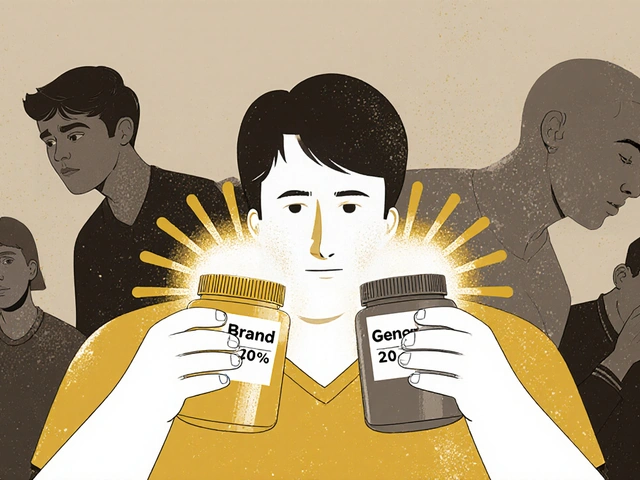
Not all generic medications work the same for everyone. While FDA-approved as bioequivalent, small differences in inactive ingredients and absorption can cause serious reactions in some patients-especially with narrow therapeutic index drugs like levothyroxine and warfarin.

Scabies and lice are common, contagious skin infestations that require precise treatment to prevent reinfection. Learn how permethrin, ivermectin, and spinosad work-and why treating everyone at once is critical.

Curious about chlorella? Get an evidence-based look at its nutrition, real benefits, safe dosage, side effects, and how to choose a clean, quality supplement.