
Acne can feel incredibly frustrating, but treating it doesn’t have to be complicated. Whether it’s occasional breakouts or persistent acne, knowing your options is the first step to getting clearer skin. Let’s go over what really works and what you should watch out for.
First off, understanding the cause of your acne helps tailor the treatment. Acne forms when hair follicles get clogged with oil and dead skin cells. Hormonal changes, stress, diet, and skincare habits all play a role. So, tackling acne often means adjusting your routine and sometimes turning to medications.
You’ve probably heard about topical treatments like benzoyl peroxide and salicylic acid. These are great for reducing inflammation and unclogging pores. Start with a product that has a low concentration to avoid irritation, and apply it consistently. Don’t expect overnight miracles—results typically show after a few weeks.
For more stubborn acne, prescription options are available. Topical retinoids help speed up skin cell turnover and prevent new clogs. Oral antibiotics or hormonal treatments like birth control pills can also reduce acne by targeting bacteria or hormone levels. Always talk to a healthcare provider before starting prescription meds to get the right plan for your skin type and health.
While there’s no magic natural cure, some habits make a difference. Washing your face twice daily with a gentle cleanser helps remove excess oil and impurities. Avoid scrubbing too hard—that just irritates skin and can worsen acne. Also, watch your diet; some people find cutting back on dairy or sugary foods helps, but it’s not the same for everyone.
Stress management matters too. Stress triggers hormones that can spike breakouts, so finding ways to relax—like exercise, hobbies, or meditation—can improve your skin. And don’t forget: keeping your phone, pillowcases, and anything that touches your face clean reduces bacteria exposure.
Finally, patience is key. Acne treatments take time to show effects, and switching products too quickly might do more harm than good. Stick with your chosen routine, and if after a couple of months you don’t see improvement, it’s time to visit a dermatologist for tailored advice.
Remember, clear skin doesn’t have to feel out of reach. With the right treatment and care, you can get your acne under control and feel confident in your skin every day.
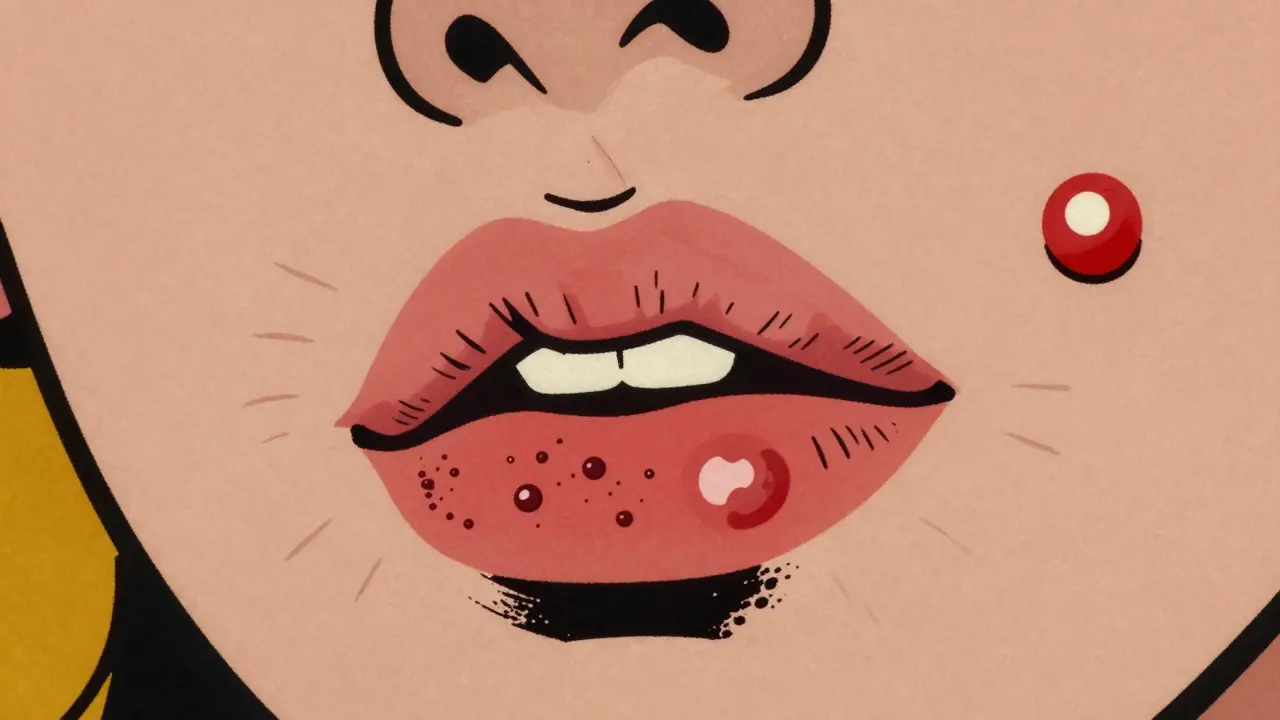
Cold sores and pimples look alike but are caused by completely different things. Learn how to tell them apart, what treatments actually work, and how to avoid making common mistakes that make things worse.

Discover effective alternatives to Isotroin for acne treatment. This article explores natural hormonal treatments that offer a holistic approach, focusing on sustainability, fewer side effects, and addressing gut health and hormonal imbalances. Learn how dietary changes and stress management play crucial roles in these alternatives while considering the time and personalization needed for results. Get insight into how these options might fit your lifestyle.
Military deployment exposes medications to extreme heat, storage failures, and access delays that can render life-saving drugs ineffective. From vaccines to insulin, improper storage threatens soldier readiness-and the military is racing to fix it.
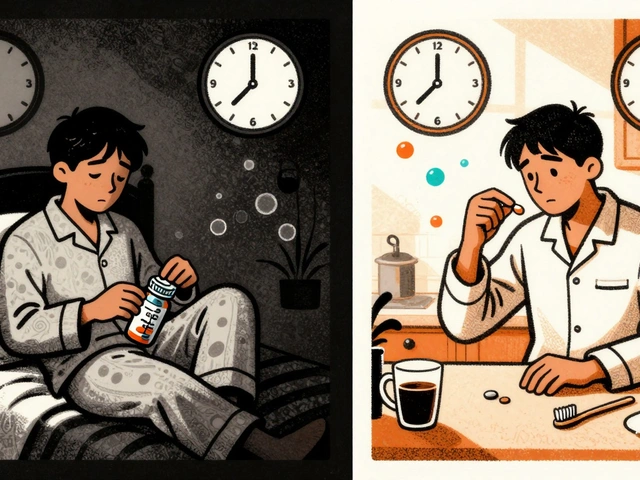
The best time to take statins isn't about night or morning-it's about consistency. Learn how statin timing affects side effects and cholesterol lowering, and why adherence beats clock time.

Learn how to create a home medication storage checklist that prevents accidents, keeps drugs effective, and protects children and seniors. Includes expert-backed storage rules, disposal tips, and a printable checklist.
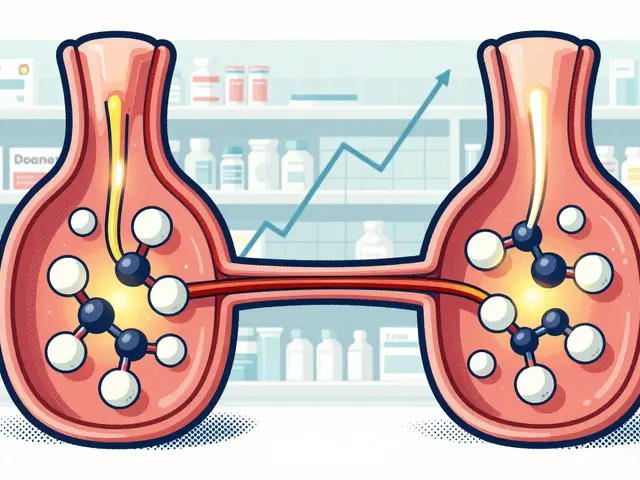
Infographics about generics help patients understand that generic drugs are just as safe and effective as brand-name versions. With clear visuals, they debunk myths, explain FDA approval, and show how generics save money-without sacrificing quality.

Explore how self‑driving cars could reshape traffic jams, the tech behind them, policy levers, real‑world pilots, and what it means for commuters and cities.