
If you follow a plant‑based diet, you’ve probably heard iron is harder to get. That’s true—most plant iron is non‑heme, which the body doesn’t soak up as easily as the heme iron in meat. The good news? You can still hit strong iron numbers with a few smart moves in the kitchen and the pharmacy aisle.
Start with foods that are naturally loaded with iron. Lentils, chickpeas, and black beans each pack about 3‑4 mg of iron per half‑cup cooked. Dark leafy greens such as spinach, kale, and Swiss chard also contain iron, though the amount can vary with the soil they’re grown in. Tofu (especially the firmer types) and tempeh give you roughly 2 mg per 100 g. Don’t forget seeds—pumpkin, sesame, and hemp seeds are tiny iron powerhouses you can sprinkle on salads or smoothies.
Fortified foods are another shortcut. Many breakfast cereals, plant milks, and nutritional yeasts have iron added, sometimes up to 18 mg per serving. Check the label for “iron (as ferrous sulfate)” or similar wording. If you’re already eating a fortified product, you’re likely covering a big chunk of your daily need without any extra effort.
Vitamin C is the superhero that pulls iron into your bloodstream. Pair iron‑rich meals with a source of vitamin C—think orange slices, strawberries, bell peppers, or a splash of lemon juice over your beans. Even a small amount (about 50 mg of vitamin C) can double the amount of iron your body absorbs.
Avoid drinking coffee or tea with iron‑heavy meals. The tannins in these drinks bind iron and make it harder for your gut to pick it up. If you love your morning brew, wait at least an hour after eating before you sip.
Cooking tricks help, too. Using a cast‑iron skillet can add up to 2 mg of iron to a single serving of food. Also, soaking, sprouting, or fermenting beans and grains reduces phytates—compounds that block iron uptake. A quick soak overnight and a rinse before cooking can make a noticeable difference.If you suspect you’re still low on iron, a vegan‑friendly supplement can fill the gap. Look for ferrous bisglycinate or iron glycinate; they’re gentler on the stomach than ferrous sulfate and have better absorption rates. Take them with food that contains vitamin C, but avoid calcium‑rich foods at the same time, as calcium competes with iron.
Finally, keep an eye on your blood work. Symptoms like fatigue, pale skin, or frequent headaches can signal low iron, but a simple ferritin test tells the truth. If you’re pregnant, breastfeeding, or have a medical condition, talk to a health professional about your iron targets.
Bottom line: vegans can get plenty of iron by focusing on iron‑rich foods, pairing them with vitamin C, and steering clear of iron blockers. Add a touch of iron‑friendly cooking methods, and you’ve got a solid plan to keep your energy up and your blood iron levels in check.
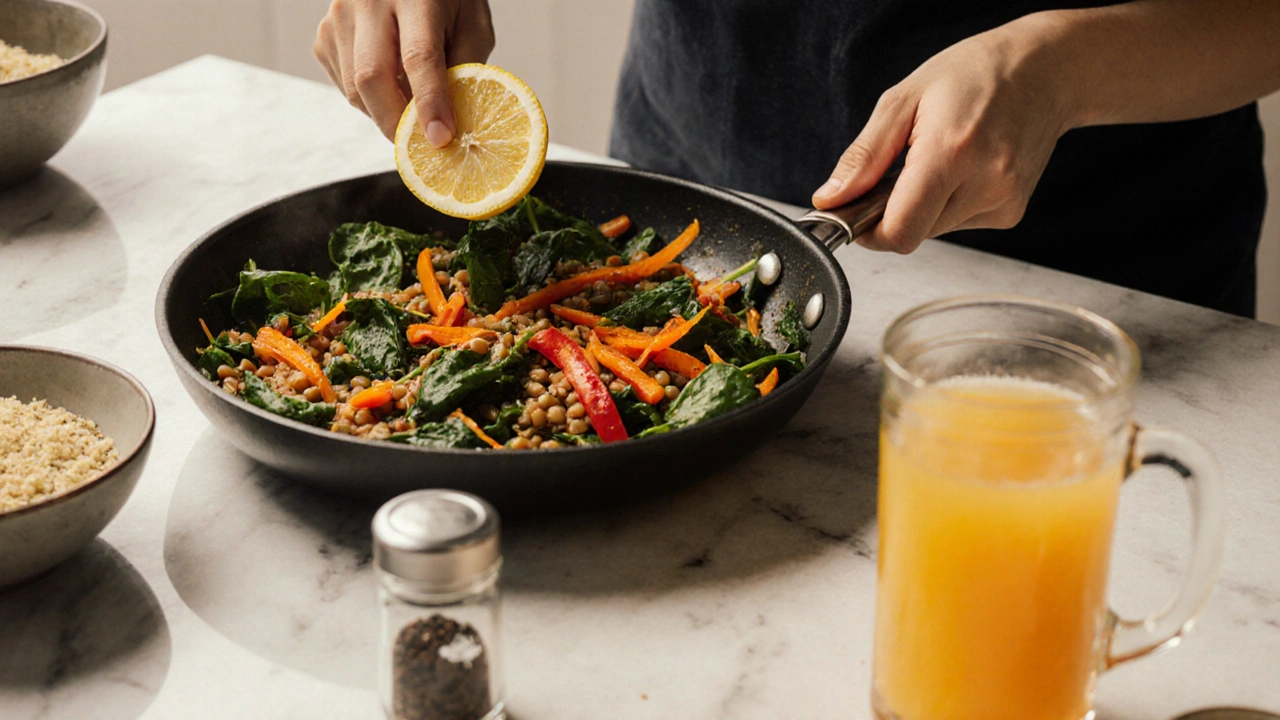
Learn practical ways to boost iron, B12, calcium, vitamin D and zinc absorption on vegetarian and vegan diets with food combos, cooking hacks, and gut‑health tips.
Explore how liver failure impacts vision, from jaundice and dry eye to retinal hemorrhages, and learn practical steps to protect eye health while managing liver disease.
Prescription assistance programs from drug manufacturers help millions afford costly medications. Learn how copay cards and PAPs work, who qualifies, what you can save, and the hidden rules that could block your help.
Compare Nexium (esomeprazole) with generic alternatives like omeprazole, lansoprazole, and pantoprazole. Learn which PPI works best for acid reflux, how to switch safely, and when lifestyle changes can replace medication.
Medicaid substitution rules prevent public insurance from replacing affordable private coverage. States vary widely in how they enforce these rules - some use waiting periods, others use real-time data. Learn how your state handles it and what changes came in 2024.

Compare Penegra (sildenafil) with leading ED alternatives like Viagra, Cialis, Levitra, and Stendra. Learn differences in onset, duration, side effects, and price to find the right medication.