
Recovering from surgery can feel overwhelming, but knowing the right steps to take makes a huge difference. Post-operative care isn't just about resting; it's actively helping your body heal and preventing complications. From managing pain to wound care, every detail counts.
First off, following your doctor’s instructions carefully is key. Every surgery is different, so the care plan you get is tailored to your needs. This includes how to take medications, what activities to avoid, and when to schedule follow-up visits. Stick to these to keep your healing on track.
Pain after surgery is expected, but it shouldn’t rule your life. Taking prescribed painkillers on time helps you stay comfortable, which actually speeds up recovery because you can move gently without too much discomfort. However, use pain meds wisely—don’t skip doses, but also avoid taking more than recommended. If you experience unexpected pain or side effects, contact your healthcare provider immediately.
Besides prescription drugs, different methods like ice packs or relaxation techniques might ease your discomfort. Keep moving as advised — gentle walks or light stretching can prevent stiffness and blood clots, but avoid pushing too hard. Balance is everything here.
Taking care of your surgical wound matters more than you might think. Keep the area clean and dry based on your doctor’s directions. Watch for signs of infection such as increased redness, swelling, unusual discharge, or fever. If you notice these, don’t delay in seeking help. Proper dressing changes and hygiene are your best defenses.
Remember, your immune system is working hard, so good nutrition and hydration play vital roles too. Eating balanced meals with proteins, vitamins, and minerals supports tissue repair. Drinking plenty of fluids flushes out toxins and keeps your body in top shape.
In short, post-operative care is a mix of smart medication use, careful wound management, and listening to your body’s needs. Taking control of your recovery with these straightforward steps will help you get back on your feet safely and with confidence.

Dizziness after surgery can be a common yet disorienting experience. This piece explores practical ways to manage dizziness effectively, delving into causes and offering helpful tips for recovery. Understanding how to navigate these post-surgery effects is key to a smoother healing process. Learn what to expect and how to ease this sensation in everyday life.

Learn how to take calcium supplements and bisphosphonates correctly to avoid absorption problems. Follow exact timing rules to maximize osteoporosis treatment and prevent fractures.
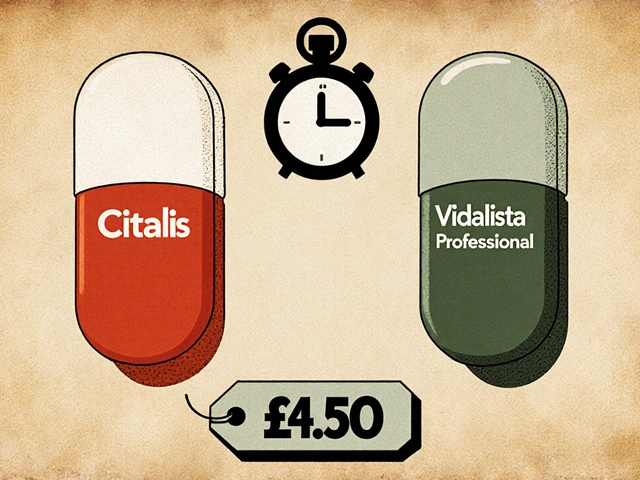
Compare Vidalista Professional with Cialis and other tadalafil generics to find the safest, most cost-effective option for treating erectile dysfunction. Learn what really matters-active ingredients, safety, and where to buy.
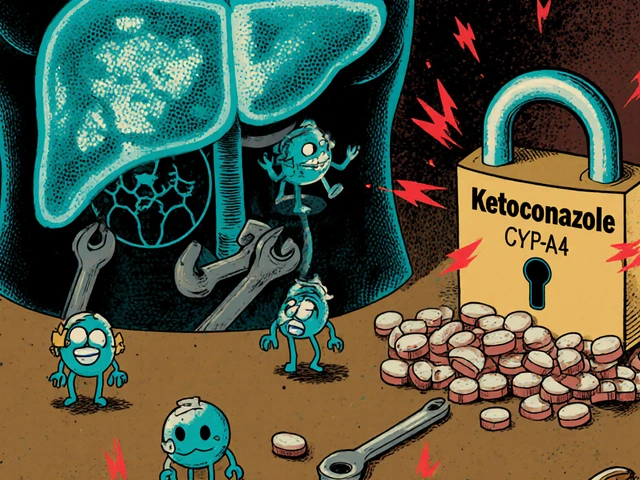
Drug-drug interactions can cause serious harm when medications clash in your body. Learn how liver enzymes, transporters, and genetics affect drug safety, and what you can do to avoid dangerous combinations.

Generic drugs contain the same active ingredients as brand-name medications and are just as safe and effective. They cost up to 85% less because they don't repeat expensive clinical trials. Learn how they're approved, why they're different in appearance, and when to choose them.

Switching children to generic medications can save money-but it can also risk their health. Learn why pediatric patients are uniquely vulnerable to changes in drug formulations, how insurance policies drive unsafe switches, and what parents and doctors must do to protect kids on chronic meds.