
When you do a medicine cabinet check, a routine review of all medications stored at home to ensure safety, effectiveness, and proper disposal. Also known as home medication audit, it’s not about cleaning out clutter—it’s about preventing accidents, saving money, and protecting your family’s health. Many people don’t realize their medicine cabinet might be holding expired pills, unused antibiotics, or old painkillers that could harm a child or confuse an elderly parent. A simple check takes ten minutes but can stop a hospital visit before it starts.
Related to this are safe medicine storage, the practice of keeping drugs in conditions that preserve their strength and prevent misuse, and expired medication disposal, the proper way to get rid of old or unused drugs so they don’t pollute water or fall into the wrong hands. You wouldn’t leave gasoline sitting in the kitchen, so why keep opioids or blood pressure pills on an open shelf? Heat, moisture, and light break down pills. A bathroom cabinet? That’s the worst place—steam from showers ruins them. A locked drawer in a cool, dry room? That’s the rule. And when meds are past their date, flushing them isn’t the answer—take them to a pharmacy drop box or a local take-back event.
Then there’s child-safe medicine storage, designing your home so young kids can’t reach or open medicine containers. Most poisonings in kids happen because a grandparent left a pill bottle on the nightstand, or a parent thought, "It’s just one pill, they won’t get to it." But kids are curious, fast, and strong. A child can open a child-resistant cap in under 30 seconds if they’re determined. Locking cabinets, high shelves, and even magnetic locks on drawers make a real difference. And don’t forget supplements—vitamins with gummy shapes look like candy. Same goes for patches and liquids. A medicine cabinet check isn’t just about what’s inside—it’s about where it’s kept.
Finally, medication organization, systematically arranging your meds so you know what you have, when to take it, and what’s running low saves stress and prevents mistakes. Imagine taking two blood pressure pills because you forgot you already took one. Or mixing up your mom’s thyroid med with your own. A labeled bin, a pill organizer, or even a simple spreadsheet on your phone can fix that. You don’t need fancy gadgets—just clarity. A medicine cabinet check is the moment you pause, look at everything, and ask: Is this still needed? Is it safe? Is it stored right?
Below, you’ll find real, practical guides on how to build a storage checklist, how to dispose of old pills without harming the environment, why sedating antihistamines are risky for seniors, and how to keep calcium and bisphosphonates working right by timing them correctly. These aren’t theoretical tips—they’re the exact steps people use to avoid ER visits, save hundreds a year, and protect their loved ones. Do your medicine cabinet check now. It’s the easiest health move you’ll make this month.
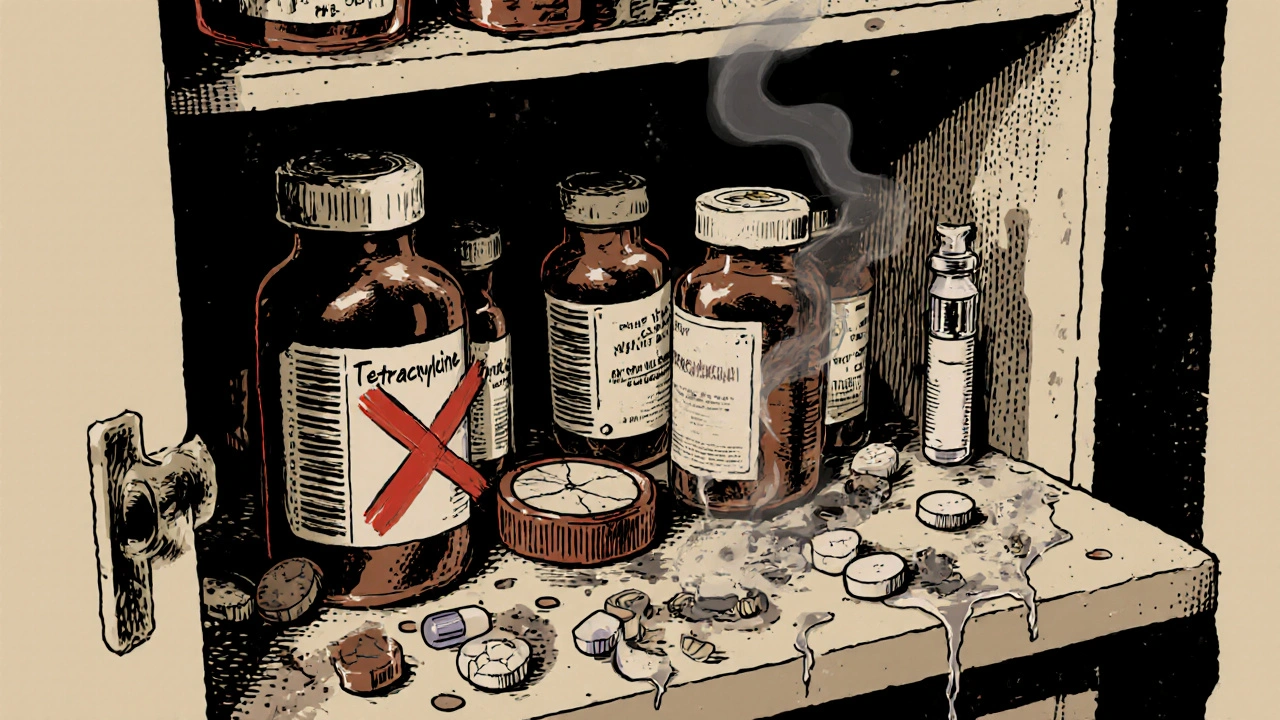
Check your medicine cabinet twice a year to remove expired drugs and prevent accidents. Learn what to toss, where to store meds safely, and how to dispose of them the right way.
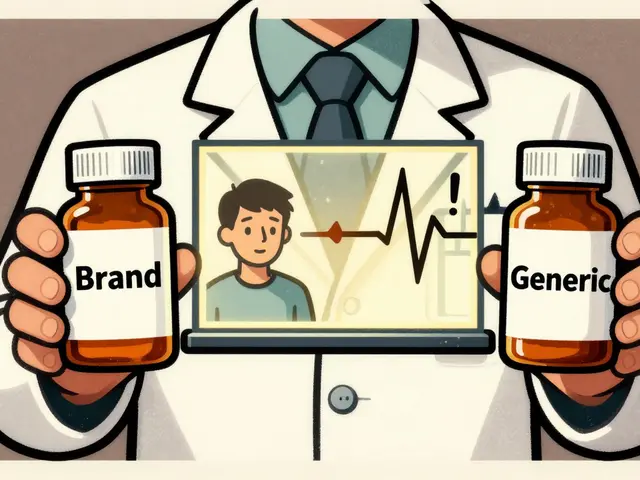
Switching to generic medications can be safe - but for drugs with a narrow therapeutic index, even small changes in absorption can cause serious effects. Learn when dose adjustments are needed and how to protect yourself.
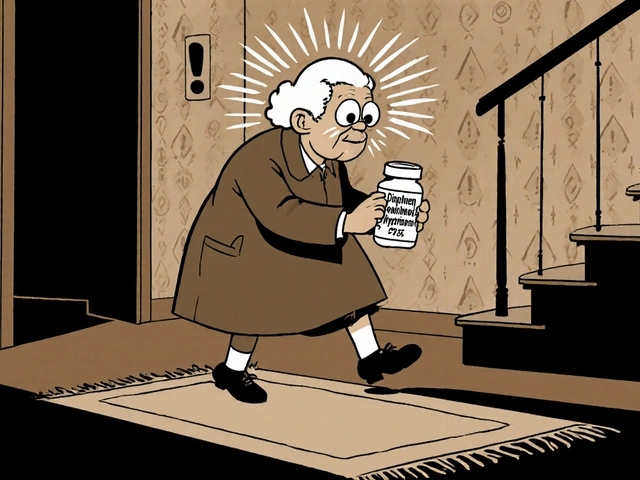
Sedating antihistamines like diphenhydramine significantly increase fall risk in older adults. Learn why first-generation options are dangerous, which safer alternatives exist, and practical steps to prevent falls through medication changes and home safety.
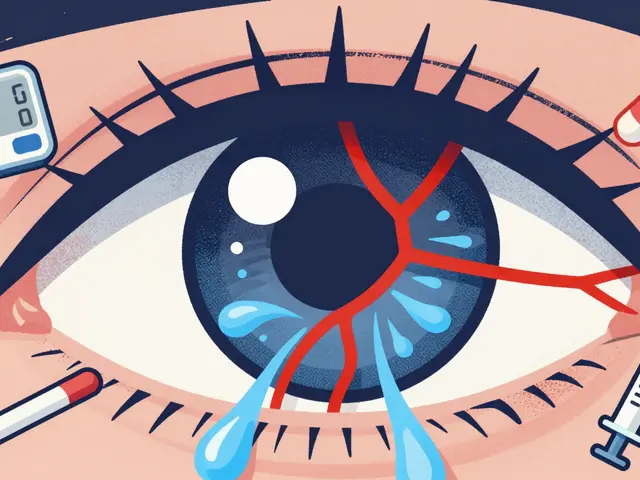
Retinal vein occlusion is a leading cause of sudden vision loss. Learn the key risk factors like high blood pressure and diabetes, and how anti-VEGF and steroid injections help restore vision. Understand treatment realities, costs, and what’s coming next.
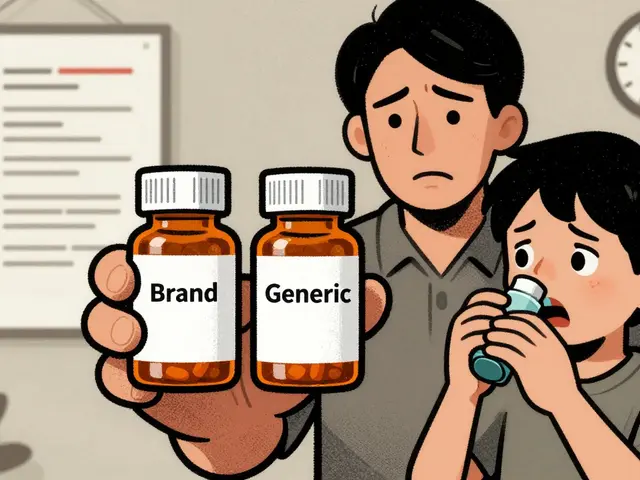
Switching children to generic medications can save money-but it can also risk their health. Learn why pediatric patients are uniquely vulnerable to changes in drug formulations, how insurance policies drive unsafe switches, and what parents and doctors must do to protect kids on chronic meds.
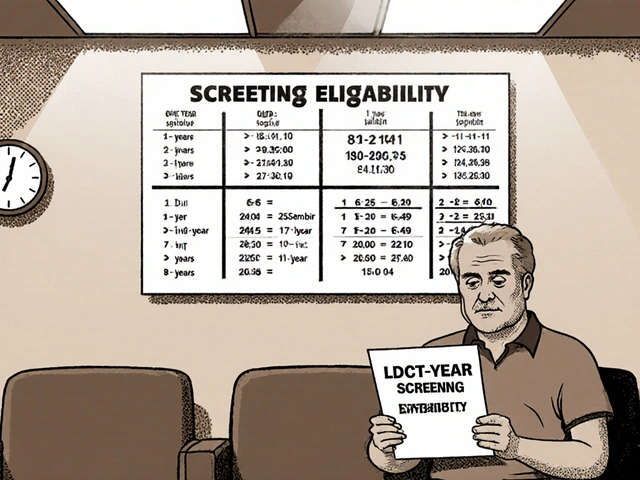
Low-dose CT screening can save lives in smokers by catching lung cancer early. Learn who qualifies, how it works, the real risks, and what to do next.