
Bile acid plays a big role in how your body processes fats. Made in the liver, it helps break down the fats you eat so your body can absorb important nutrients. Without enough bile acid, digesting fatty foods can be tough, leading to issues like bloating or poor nutrient uptake.
Besides digestion, bile acid does something else pretty crucial: it helps control cholesterol levels. By aiding in the breakdown and removal of cholesterol from your body, bile acid keeps your heart healthier and supports overall metabolic balance. This process makes bile acid a natural partner in preventing heart problems related to high cholesterol.
When you eat, your gallbladder releases bile, which contains bile acids, into your intestines. Here, bile acids emulsify fats, turning large fat globules into tiny droplets. This makes it easier for enzymes to come in and do their job breaking fats into molecules your body can use. It's like bile acid is the helper that makes fat digestion smooth and efficient.
After fats are processed, most bile acids get recycled. They're taken back to the liver and reused—a smart system that saves energy. When this recycling is off, you might experience digestive troubles or vitamin absorption issues because some vitamins need fat to be absorbed properly.
Sometimes, bile acid levels can get out of whack. Too much or too little can signal liver or gallbladder problems. For example, bile acid malabsorption can cause diarrhea or stomach pain. If you've noticed unexplained digestive discomfort or fat tolerance issues, it might be worth checking on how bile acids are working in your system.
Some medications and supplements can influence bile acid levels too. For instance, certain cholesterol-lowering drugs work by changing how bile acids are handled. Also, dietary changes like eating more fiber can impact bile acid activity. Understanding these connections helps you make smarter choices for your digestive health.
In short, bile acid is more than just a digestive juice. It’s a key player in how your body handles fats and cholesterol, and keeping it balanced supports both digestion and heart health. If you run into digestive hiccups or want to understand your liver better, bile acids are a great place to learn more about how your body works.
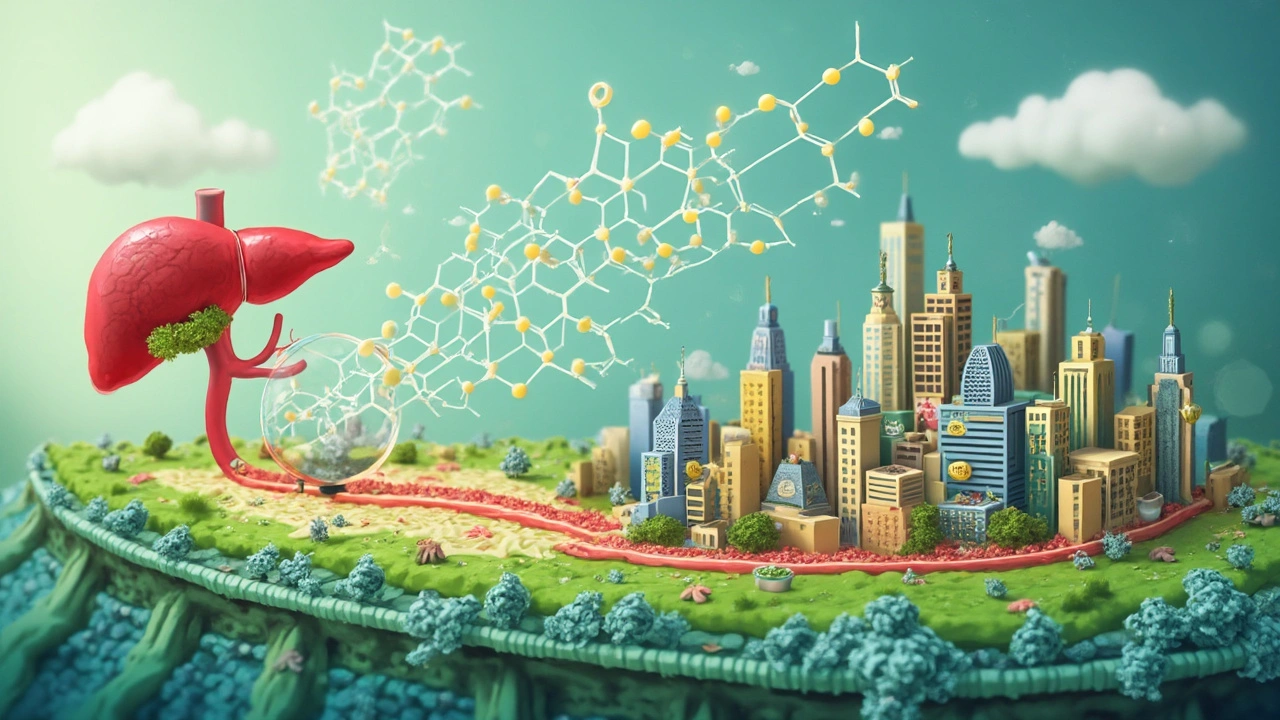
Ursodeoxycholic acid (UDCA) plays a pivotal role in bile acid metabolism, offering numerous benefits for individuals with liver health concerns. It's fascinating how this substance can improve the breakdown and absorption of dietary fats and vitamins. For those grappling with liver disorders, understanding UDCA's impact is key to better health outcomes. This article explores the science behind UDCA, its practical advantages, and offers tips for maximizing its benefits.

Learn how to buy Glyset (miglitol) online safely. We cover verified pharmacies, cost-saving tips with GoodRx, and steps to avoid counterfeit drugs.

Save money on Zoloft in 2026. Compare cheap generic sertraline prices from GoodRx, RedBox Rx, and telehealth services. Learn how to buy safely and legally online.
Explore how liver failure impacts vision, from jaundice and dry eye to retinal hemorrhages, and learn practical steps to protect eye health while managing liver disease.
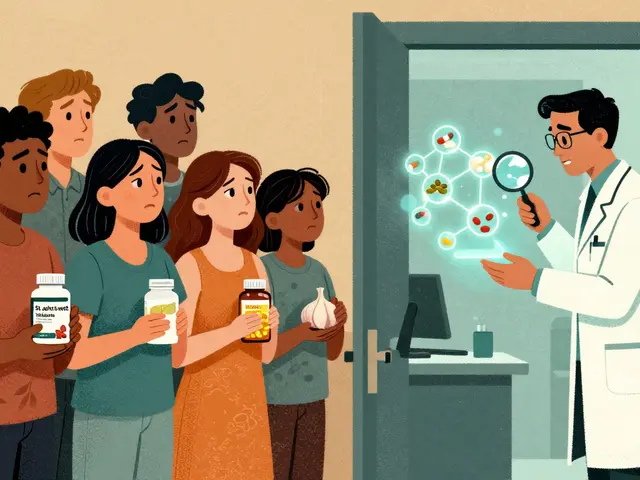
Most people don't tell their doctors about dietary supplements-even though they can interact dangerously with medications. Learn why full disclosure matters, which supplements are riskiest, and how to talk to your care team safely.

Fluoxetine, an antidepressant, is often prescribed to treat depression, anxiety, and various mood disorders. Understanding its medical effects, potential side effects, and interactions with other medications can help users make informed decisions. This article also covers common dosages and recommendations, ensuring safety and effectiveness. Discover ways to access the best deals with practical tips and considerations.