

Accidental overdose isn't always a dramatic event. Often, it’s the result of simple human error-forgetting when you last took a pill, misreading a label, or mixing substances without realizing how they interact. In a world where we track our steps, sleep, and calories with smartphone apps, why do so many people manage life-saving medications with nothing but memory and hope? The answer is often fear, stigma, or simply not knowing where to start. But keeping a medication log is one of the most effective, low-cost tools available to prevent these errors. It transforms guesswork into data, giving you control over your health and safety.
This guide explains exactly how to build and use a medication log that works. We’ll cover what to record, how to spot dangerous patterns, and why this simple habit can be the difference between staying safe and ending up in the emergency room. Whether you are managing chronic pain, taking psychiatric medications, or navigating recovery, this method applies to you.
What Is a Medication Log and Why Do You Need One?
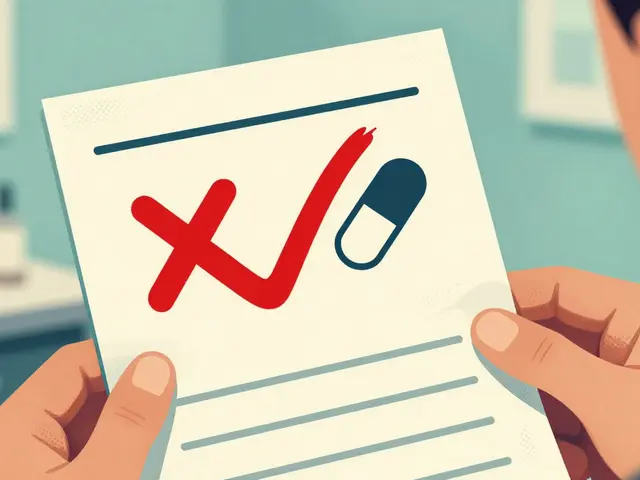
A medication log is a detailed record of every substance you consume. Think of it as a personal dashboard for your body. While doctors rely on Prescription Drug Monitoring Programs (PDMPs) to track prescriptions across healthcare systems, those databases only show what was prescribed, not what was actually taken. They don’t know if you skipped a dose, doubled up by accident, or mixed your prescription with alcohol or over-the-counter meds. Your log fills that gap.
The Centers for Disease Control and Prevention (CDC) emphasizes that improving opioid prescribing and reducing exposure to opioids are key to preventing overdoses. Part of "reducing exposure" means understanding your own intake. When you write down what you take, you create a feedback loop. You see the connection between the dose, the timing, and how you feel. This visibility is crucial because accidental overdose often happens when doses stack up over time or when substances interact in unexpected ways.
| Feature | Prescription Drug Monitoring Program (PDMP) | Personal Medication Log |
|---|---|---|
| Data Source | Pharmacy fill records | Actual consumption events |
| Update Speed | 24-72 hours delay | Real-time |
| Covers OTC/Illicit Substances? | No | Yes |
| Tracks Side Effects? | No | Yes |
| User Control | Passive (doctor/pharmacist driven) | Active (patient driven) |
Professional systems like PDMPs are vital for systemic safety, but they lack the nuance of daily life. Your log captures the reality: the ibuprofen you took for a headache while on blood thinners, the antihistamine that made you drowsy, or the extra dose you took because the first one didn’t seem to work. These are the moments where errors happen.
Essential Elements of an Effective Medication Log
To prevent overdose errors, your log needs to be specific. Vague entries like "took my meds" aren’t helpful. You need data points that allow you to analyze risk. Here are the non-negotiable columns or fields your log should include:
- Medication Name: Include both brand and generic names if possible. For example, note "Oxycodone (Roxicodone)" rather than just "pain pill." If you are using substances outside of prescriptions, be honest about the name or type (e.g., "street fentanyl," "heroin"). Honesty here is a safety tool, not a judgment.
- Dosage Amount: Record the exact milligrams (mg), micrograms (mcg), or units. If you split pills, estimate carefully. If you are injecting or snorting, note the estimated weight or volume. Accuracy matters because small changes in dose can have large effects on your system.
- Time Taken: Use a 24-hour clock (e.g., 14:30 instead of 2:30 PM) to avoid confusion between AM and PM. This helps you calculate the interval between doses. Many overdose errors occur when someone takes a second dose too soon after the first, thinking it hasn’t kicked in yet.
- Method of Administration: Did you swallow, inject, smoke, or snort the substance? The Substance Abuse and Mental Health Services Administration (SAMHSA) notes that risk increases significantly with certain methods. Injecting or smoking opioids delivers them faster to the brain, increasing overdose risk compared to swallowing. Logging this helps you understand why some doses feel more intense or dangerous than others.
- Concurrent Substances: List everything else you consumed within a few hours. This includes alcohol, benzodiazepines (like Xanax or Valium), sleep aids, antihistamines, and even cannabis. The CDC warns that combining opioids with other depressants greatly increases overdose risk. Seeing "Alcohol + Oxycodone" in your log makes the danger visible.
- Effects and Side Effects: How did you feel? Did you experience drowsiness, confusion, nausea, or respiratory depression? Note any adverse reactions. This data helps you identify your personal tolerance limits and warning signs.
Step-by-Step: Setting Up Your Log System
You don’t need expensive software to start. The best log is the one you will actually use consistently. Here is how to set up a system that fits your lifestyle.
- Choose Your Format:
- Paper Notebook: Simple, private, and requires no battery. Use a dedicated small notebook. Create columns at the top of each page for Date, Time, Med/Dose, Method, Other Substances, and Notes.
- Digital App: Apps like MyTherapy, Medisafe, or even a simple Notes app on your phone offer reminders and searchability. Digital logs are great for setting alarms to remind you to log immediately after taking a dose.
- Establish a Routine: Decide when you will log. The best time is immediately before or after taking the medication. Waiting until the end of the day leads to forgotten details. Make logging part of your medication ritual, like brushing your teeth.
- Include a "Safety Check" Column: Add a checkbox or note for whether you used a test strip (for illicit substances) or checked for interactions. SAMHSA recommends testing substances for fentanyl and xylazine. If you tested negative, note it. If you didn’t test, mark it as "Unverified." This highlights higher-risk events.
- Share Accessibly: If you live with family or partners, consider sharing your log with a trusted person. The SAMHSA toolkit emphasizes having a "trusted person who is alert and can respond." Your log gives them critical information if you become unresponsive. They can look at your last entry and tell paramedics exactly what you took and when.
Using Your Log to Spot Dangerous Patterns
Keeping the log is step one. Analyzing it is where you prevent errors. Review your entries weekly to look for red flags.
1. The Stacking Effect Look for instances where you took multiple doses close together. If your log shows you took a dose at 8:00 AM and another at 11:00 AM, ask yourself why. Was the first dose ineffective? Were you trying to chase a high? Stacking doses is a common cause of accidental overdose. Your log provides the evidence to break this cycle.
2. Interaction Alerts Scan for combinations. Did you take a sedative with an opioid? Did you drink alcohol while on antidepressants? Even seemingly harmless combinations, like diphenhydramine (Benadryl) and opioids, can suppress breathing. Highlight these entries in red. Seeing the pattern visually reinforces the risk.
3. Tolerance Changes Note how your body reacts over time. If you notice that the same dose produces less effect, you might be tempted to increase it. However, if you’ve missed days, your tolerance may have dropped. Your log helps you remember gaps in usage. If you stopped for three days and then resumed your previous dose, your log will flag this as a high-risk event for overdose.
4. Physiological Warning Signs Review your side effect notes. Are you experiencing increased drowsiness, pinpoint pupils, or slow speech? These are early signs of overdose. If your log shows these symptoms appearing more frequently, it’s a signal to talk to your doctor or reduce your dose. Don’t ignore the data your body is giving you.
Common Pitfalls and How to Avoid Them
Even with the best intentions, people struggle to maintain accurate logs. Here are common mistakes and how to fix them.
- Inconsistent Timing: Logging at the end of the day leads to inaccurate times. Solution: Set a phone alarm labeled "Log Now" that goes off 5 minutes after your scheduled medication time.
- Vague Descriptions: Writing "took pain med" is useless. Solution: Keep a reference sheet next to your log with the exact names and dosages of all your medications. Copy-paste or write them out fully.
- Omitting OTC Meds: People often forget that acetaminophen (Tylenol) or NSAIDs count as medications. Overdosing on acetaminophen can cause liver failure. Solution: Treat all pills, liquids, and supplements as entries in your log.
- Shame-Based Hiding: Some people hide their logs due to stigma. Solution: Remember that this is a medical document, not a moral ledger. Paramedics and doctors need this information to save your life. Privacy settings on phones or locking notebooks can help if you’re concerned about others seeing it.
Integrating Your Log with Healthcare Providers
Your medication log is a powerful communication tool. Bring it to every doctor’s appointment. Doctors often rely on patient recall, which is notoriously unreliable. Showing them your log demonstrates responsibility and provides accurate data.
If you are starting a new medication, show your doctor your recent log. They can check for interactions with your current regimen. If you are struggling with side effects or effectiveness, your log provides concrete examples. Instead of saying "it doesn’t work," you can say, "I took 10mg at 9 AM, felt relief for two hours, then had breakthrough pain at noon." This specificity allows for better treatment adjustments.
For patients in recovery or those using harm reduction services, sharing your log with counselors or support workers can enhance safety planning. It helps them understand your triggers, routines, and risks. It turns abstract concerns into manageable data points.
Is a medication log legally required?
No, there is no legal requirement for individuals to keep a personal medication log. However, it is highly recommended by health organizations like the CDC and SAMHSA as a best practice for safety. In some cases, such as court-mandated treatment programs, maintaining a log may be part of your compliance requirements.
Can I use a medication log for non-prescription substances?
Absolutely. Harm reduction principles apply to all substances. Logging illicit drugs, alcohol, or over-the-counter medications helps you track dosage, avoid dangerous combinations, and recognize patterns of use. The goal is safety, regardless of the source of the substance.
What should I do if I miss a log entry?
If you realize you forgot to log a dose, try to estimate the time and amount as accurately as possible and add a note saying "Estimated." Consistency is important, but perfection isn’t required. The value comes from the overall trend, not every single entry being perfect.
Are digital medication log apps secure?
Most reputable health apps use encryption to protect your data. However, check the privacy policy of any app you download. Look for features like password protection or biometric login (fingerprint/FaceID). If you are concerned about digital privacy, a physical notebook kept in a secure location is a viable alternative.
How long should I keep my medication log?
Keep your log for as long as you are actively using the substances recorded. Old logs can provide valuable historical context for doctors, especially if you are switching medications or dealing with long-term side effects. There is no need to discard old logs unless you prefer to start fresh for psychological reasons.

Naresh Chandra
May 29, 2026 AT 12:06I really appreciate this guide, because it addresses a very real issue! I think many people overlook the importance of tracking their intake. It is crucial to be honest with oneself, especially regarding dosage and timing. The section on concurrent substances was particularly enlightening for me. We often forget that OTC meds can interact dangerously. Thank you for sharing such practical advice!
Joseph Teichman
May 30, 2026 AT 16:34simple but effective. i use a notes app on my phone. set a reminder right after taking meds so i dont forget. helps keep track of side effects too. no fancy software needed just consistency.
Frank Arlyss
June 1, 2026 AT 00:25Why are we even talking about logs? If you cant remember your own meds you have bigger problems. This whole post feels like it's trying to manage symptoms instead of fixing the root cause. People need discipline not notebooks. Also why did you mention illicit substances? That seems irresponsible to include in a general health guide. It validates bad behavior.
Nivetha Narayanan
June 1, 2026 AT 22:12hey everyone!! love this idea so much!!! i started doing something similar last month and its been a game changer for me. honestly it makes me feel so much more in control of my health journey. lets all support each other in staying safe and healthy!!! 💪✨
Tim Reynolds
June 3, 2026 AT 10:07This is exactly what they want you to believe. The government wants you to self-report everything. Think about it. Why would the CDC care about your personal log unless they wanted data on your habits? It is a surveillance tool disguised as health advice. They are building a database of who takes what. Do not fall for it. Keep your records private or better yet do not keep them at all. Trust no one.
Grace Gayle McMullen
June 3, 2026 AT 19:43i totally agree with the part about vague descriptions. writing 'took pain med' is useless as stated. i used to do that and then wondered why i felt weird later. now i write down the exact mg and time. also typos happen when im tired so i just jot it down quick. digital apps are great but sometimes paper is faster if ur in a rush. just make sure u actually look at it weekly tho.
Victoria Mangiapane
June 5, 2026 AT 04:48ugh another boring medical post. nobody reads these. i tried keeping a log once and lost the notebook in a week. waste of time. just take your pills and hope for the best like everyone else does. this is all so dramatic and unnecessary. who has time for this?
Cyburg Adeoye
June 5, 2026 AT 06:43This is an incredibly insightful piece on harm reduction strategies! As a healthcare enthusiast, I find the emphasis on the 'feedback loop' between dosage and physiological response to be paramount. It fosters a sense of agency and empowerment for the patient. We must encourage inclusive practices that prioritize safety over stigma. Let us embrace these tools for our collective well-being! Great job highlighting the limitations of PDMPs versus personal logs.
Angela Niculescu
June 5, 2026 AT 10:24I disagree with the premise that this prevents overdoses entirely. It only prevents errors due to memory lapses. It does nothing for accidental ingestion by children or sudden allergic reactions. Also, relying on a log might give a false sense of security leading to riskier behavior. People might think 'oh I logged it so I am safe' which is dangerous. The article oversimplifies a complex issue.