
Birth control pills are one of the most common ways people prevent pregnancy. But how do they actually work, and what should you consider before starting? Whether you’re new to contraceptives or looking to switch, understanding your options helps you pick the best fit.
Most birth control pills contain hormones like estrogen and progestin. These hormones stop your ovary from releasing an egg, which makes pregnancy unlikely. Pills also thicken the mucus around your cervix to block sperm and thin the lining of your uterus so it's harder for a fertilized egg to stick. It sounds complicated, but it’s just your body’s way of staying one step ahead.
There are mainly two types: combined pills, which have both estrogen and progestin, and progestin-only pills. Combined pills are the most popular and tend to regulate periods well. Progestin-only pills are a great choice if you can’t take estrogen, perhaps because of health reasons or breastfeeding.
Each has pros and cons. For example, combined pills may cause more side effects like headaches or nausea, while progestin-only pills need to be taken at the same time every day to stay effective. Knowing these details helps you use them right and avoid surprises.
Consistency is key with birth control pills. Taking your pill daily at the same time is the best way to reduce pregnancy risk. If you miss a pill, the rules change depending on which week you’re in your cycle—so check the instructions carefully. Using a reminder app or setting alarms can help keep you on track.
Remember, birth control pills don’t protect against sexually transmitted infections (STIs). Using condoms along with pills is the safest route if you need protection against STIs. Also, tell your doctor about any medications or supplements you take because some might affect how well your pill works.
Wondering about side effects? Some users experience spotting between periods, mood changes, or breast tenderness. These often improve after a few months. But if you notice severe symptoms like chest pain or vision changes, see your healthcare provider immediately.
Choosing the right birth control pill often requires trying different types. Don't hesitate to talk openly with your doctor about your health history and lifestyle to find a pill that suits you best. Knowing how to use it well boosts your confidence and helps keep your health on track.

Everything you want to know about Levlen, a popular birth control pill—uses, what you can expect, benefits, and tips for safer, smarter contraception.

Trace the journey of HIV from its 1980s discovery to today’s advanced antiretroviral treatments, highlighting key milestones, scientists, and breakthroughs.
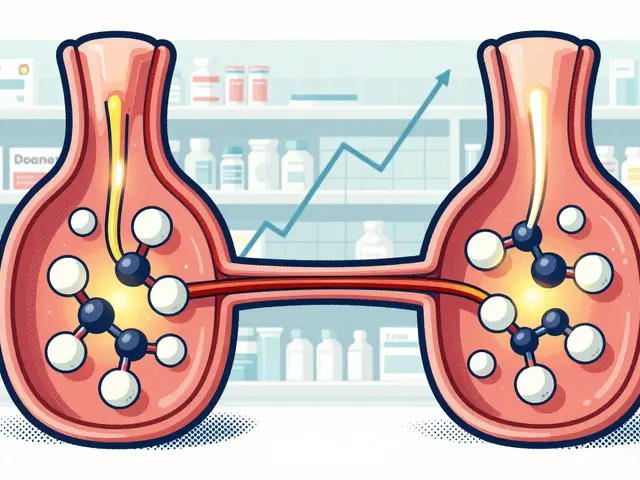
Infographics about generics help patients understand that generic drugs are just as safe and effective as brand-name versions. With clear visuals, they debunk myths, explain FDA approval, and show how generics save money-without sacrificing quality.

Discover how to soothe tendonitis pain naturally with ice, heat, stretches, strengthening exercises, and anti‑inflammatory herbs for lasting relief.

Explore the complete journey of latanoprost-from its chemical breakthrough and clinical trials to FDA approval and its role in modern glaucoma therapy.
Finding the right online pharmacy can be vital when looking for affordable medication. Whether you're interested in more international options or simpler ordering processes, there are several alternatives to Canada Drugs Direct that may suit your needs better. This article explores these options, covering each one’s strengths and weaknesses, to help you make an informed choice.