
If you’ve tried to curb heartburn without breaking the bank, you’ve probably heard the term “PPI.” Those are proton pump inhibitors – drugs that lower stomach acid and help heal ulcers, GERD, and occasional indigestion. The good news is many PPIs have generic versions that cost a fraction of the brand name price. Below we break down what makes a PPI affordable, which options are worth your attention, and how to keep the cost low while staying safe.
First, look for the generic name. Omeprazole, lansoprazole, pantoprazole, and rabeprazole all have brand versions (like Prilosec, Prevacid, Protonix) that can be 3‑5 times more expensive. In most pharmacies, the generic version is the cheapest pill that does the same job.
Second, check the dosage form. A 14‑day supply of 20 mg omeprazole often costs under $10 in big‑box stores, while the same amount of a brand‑only PPI might run $40 or more. Tablet strength matters too – if your doctor prescribes 40 mg but you only need a 20 mg dose, you can split the pill and halve the cost.
Third, consider over‑the‑counter (OTC) options. Many PPIs are available without a prescription at a lower price point, especially when you buy a larger bottle. OTC omeprazole and lansoprazole are safe for short‑term use (up to 14 days) and can be a good trial before you ask for a script.
Start with a conversation with your pharmacist. They can tell you which generic is stocked, if there are any coupons, and whether a mail‑order program can shave off extra dollars. Many pharmacies have loyalty cards that give a 10‑15% discount on generic prescriptions.
If you have insurance, use the formulary list. Insurers often rank generic PPIs as first‑line, meaning the co‑pay is minimal. When a brand drug is listed as “non‑preferred,” you’ll pay more – ask the doctor to switch to a preferred generic.
Watch for discount programs like GoodRx, Blink Health, or pharmacy‑specific apps. A quick search can reveal a $5 price for a 30‑day supply of generic pantoprazole, even if the listed price is higher.
Finally, keep an eye on side effects. Cheap doesn’t mean you should ignore safety. Most PPIs are well‑tolerated, but long‑term use can affect calcium absorption, vitamin B12, and gut bacteria. If you plan to stay on a PPI for months, talk to your doctor about periodic labs and whether stepping down to an H2 blocker (like famotidine) is possible.
In short, the cheapest path to acid‑reflux relief is to choose a generic PPI, buy in bulk or use OTC when appropriate, and leverage pharmacy discounts or online coupon tools. With a little research, you can keep heartburn under control without burning a hole in your wallet.
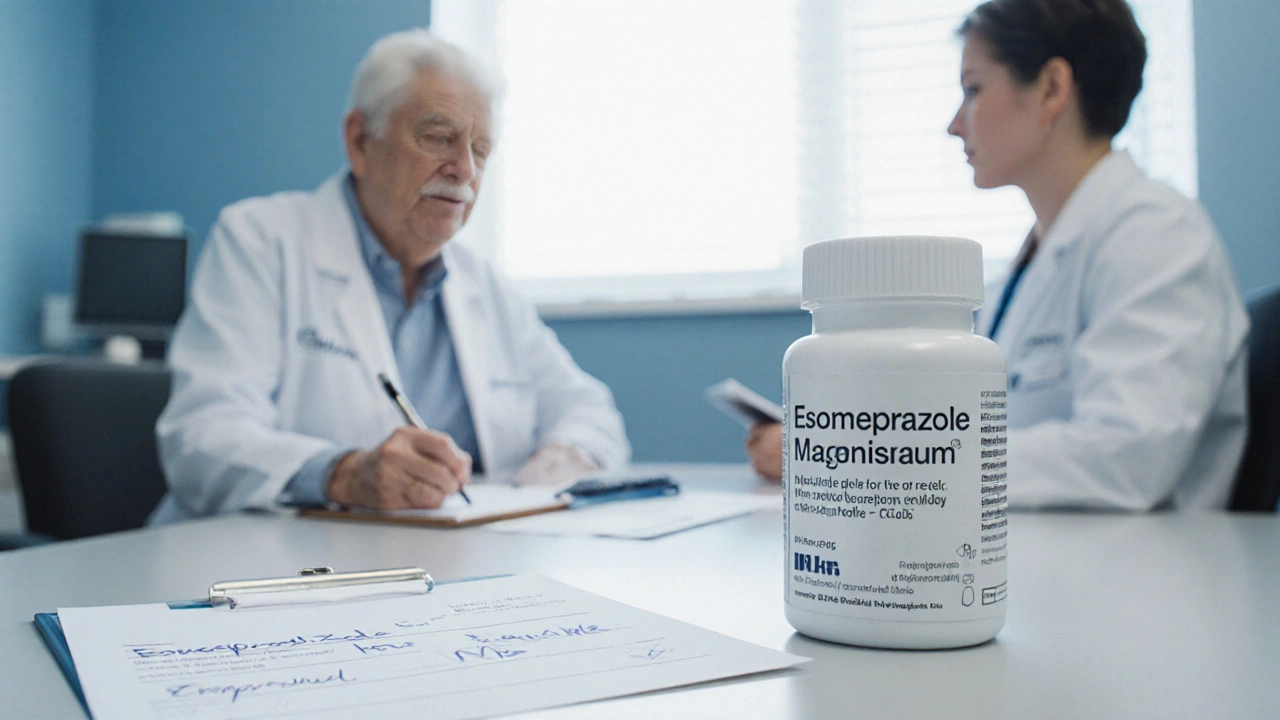
Learn how to safely buy cheap generic Nexium online, verify legit pharmacies, compare prices, avoid counterfeits, and explore affordable alternatives.

Learn how clinician portals and apps help healthcare providers detect adverse drug reactions in real time. Discover which tools work best for hospitals, clinical trials, and low-resource settings-and how to use them without burnout.
Learn how to safely buy cheap generic Nexium online, verify legit pharmacies, compare prices, avoid counterfeits, and explore affordable alternatives.

Dizziness after surgery can be a common yet disorienting experience. This piece explores practical ways to manage dizziness effectively, delving into causes and offering helpful tips for recovery. Understanding how to navigate these post-surgery effects is key to a smoother healing process. Learn what to expect and how to ease this sensation in everyday life.
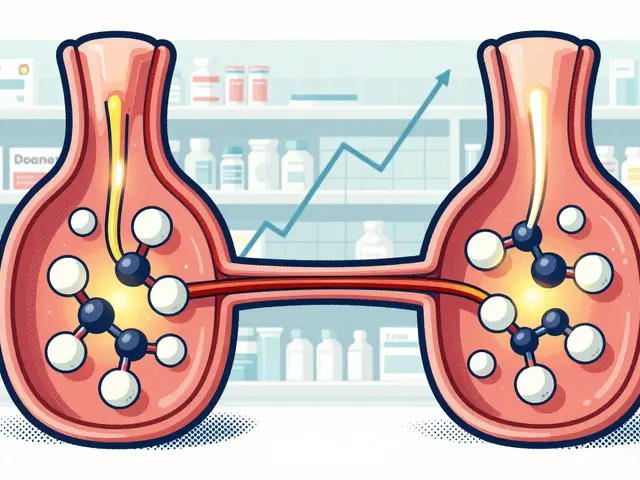
Infographics about generics help patients understand that generic drugs are just as safe and effective as brand-name versions. With clear visuals, they debunk myths, explain FDA approval, and show how generics save money-without sacrificing quality.

Fluoxetine, an antidepressant, is often prescribed to treat depression, anxiety, and various mood disorders. Understanding its medical effects, potential side effects, and interactions with other medications can help users make informed decisions. This article also covers common dosages and recommendations, ensuring safety and effectiveness. Discover ways to access the best deals with practical tips and considerations.